October 29, 2026

6
min read
Data Loss Prevention Software Comparison
Looking for the best DLP software in 2026? Compare 10 tools and see why Strac leads with in-place redaction for SaaS, AI, MCP, and endpoints.

Looking for the best DLP software in 2026? Compare 10 tools and see why Strac leads with in-place redaction for SaaS, AI, MCP, and endpoints.

Data Loss Prevention (DLP) software finds sensitive data, watches how it moves, and enforces policy on it. That data includes PII, PHI, payment card data, credentials, and intellectual property.
A comparison of DLP software is only useful if it starts with the right question. The question is not which brand ranks highest. It is which tool can see the content, on the surface where your data moves, and fix it without stopping the person doing the work.
The full background on the category lives in the data loss prevention guide. This post focuses on how to tell the products apart.
DLP was designed for a world of file servers, email gateways, and USB drives. Data left the company through a door the security team could watch.
That door is gone. A customer's card number lands in a Zendesk ticket, gets copied into a Slack thread, ends up in a shared folder, and is then pasted into a chat assistant to draft a reply. No step crosses a perimeter, and several happen on home Wi-Fi.
Three shifts changed what a DLP product has to do:
Two products can both call themselves DLP and solve completely different problems. Coverage and remediation matter more than the logo.
Score every product on these criteria before you look at a feature matrix.
Coverage of real channels. List every place sensitive data lives or moves: SaaS apps, cloud storage, endpoints, the browser, generative AI tools, and MCP servers. The surface you leave uncovered becomes the exfiltration path.
Detection accuracy. Pattern matching alone floods the queue and teaches people to ignore alerts. Look for trained detectors for PII, PHI, PCI data, and secrets, custom detectors for your own identifiers, and OCR for screenshots and scanned PDFs. See reducing DLP false positives for the tuning side.
Remediation, not just alerting. An alert tells you data leaked; redaction means it did not. The actions, in order:
Time to value. API connectors deploy in minutes. Proxies, kernel agents, and appliances take quarters and a services budget. Measure deployment in the proof of concept, not in the proposal.
Compliance mapping. Built-in templates for PCI DSS, HIPAA, GDPR, SOC 2, ISO 27001, and CCPA. More on this in data loss prevention compliance.
One console, one policy set. Policies written once and enforced across SaaS, browser, endpoint, and cloud save hours every week and close the gaps between tools.
The tools below are ranked on the criteria above. Each entry covers what the tool focuses on, who it fits, where it shines, and where it stops short.
Focus areas: SaaS DLP, Browser DLP, Endpoint DLP, AI DLP, MCP DLP, DSPM
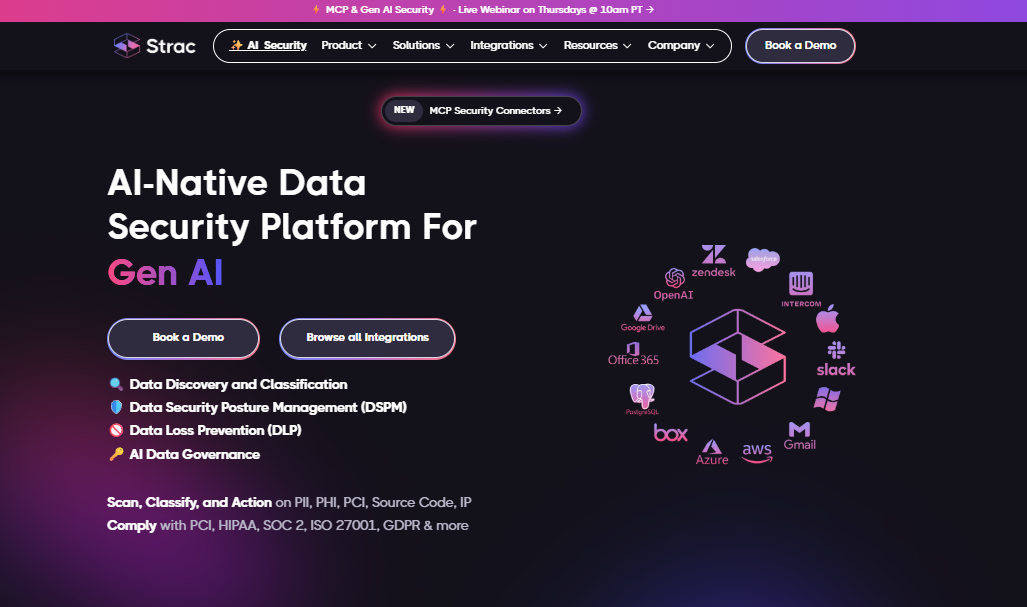
Best for: cloud-first teams that need one platform for SaaS apps, AI tools, and endpoints, with redaction instead of an alert queue.
Strac is a Data Loss Prevention (DLP), data discovery, and DSPM platform that finds sensitive data across SaaS, cloud, browser, endpoint, generative AI, and MCP, and fixes it automatically. It holds a 4.9/5 rating on G2.
One policy, two surfaces: Strac removes the sensitive element and leaves the work intact, which is what makes enforcement survivable for the people doing the work.
Coverage
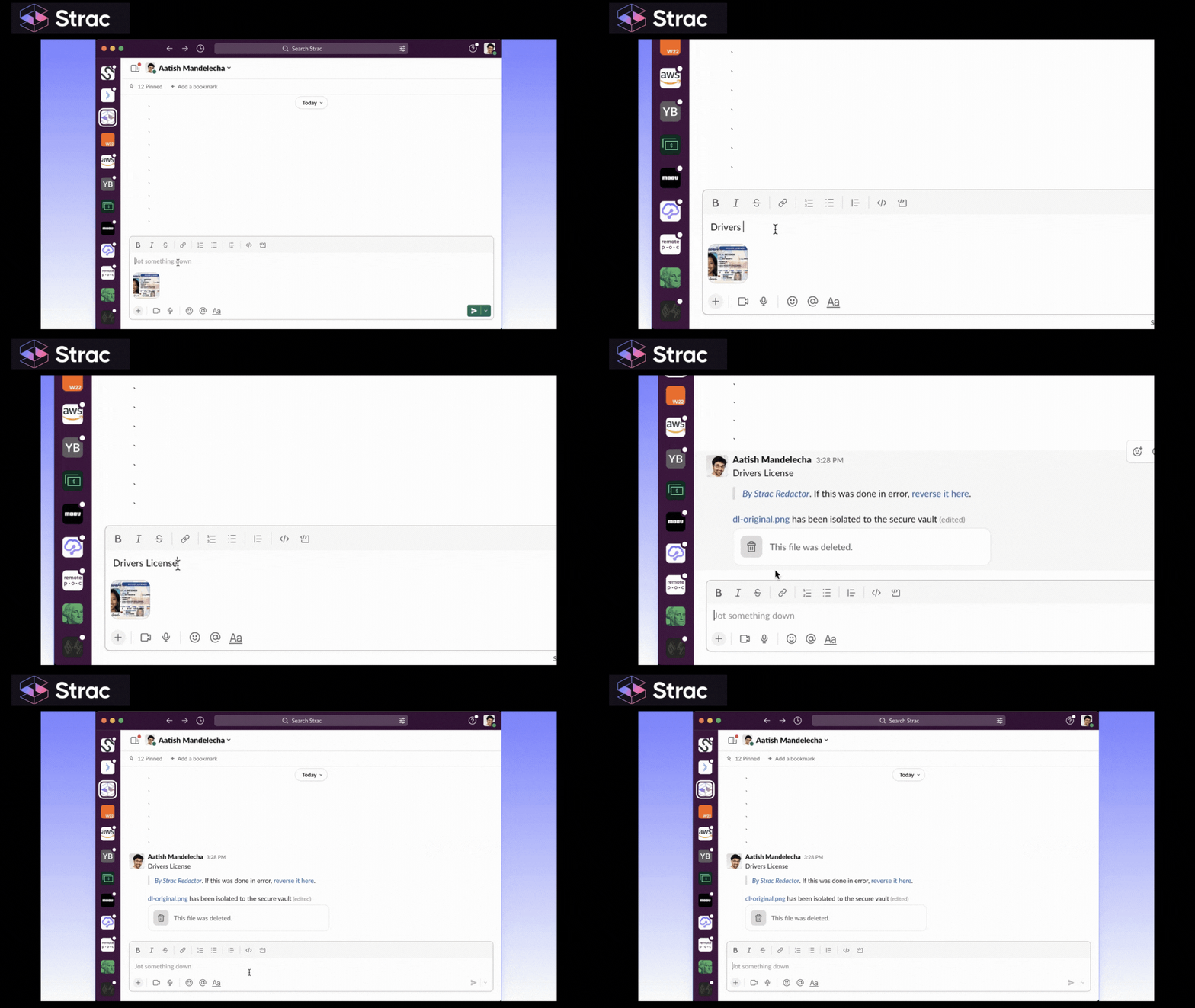
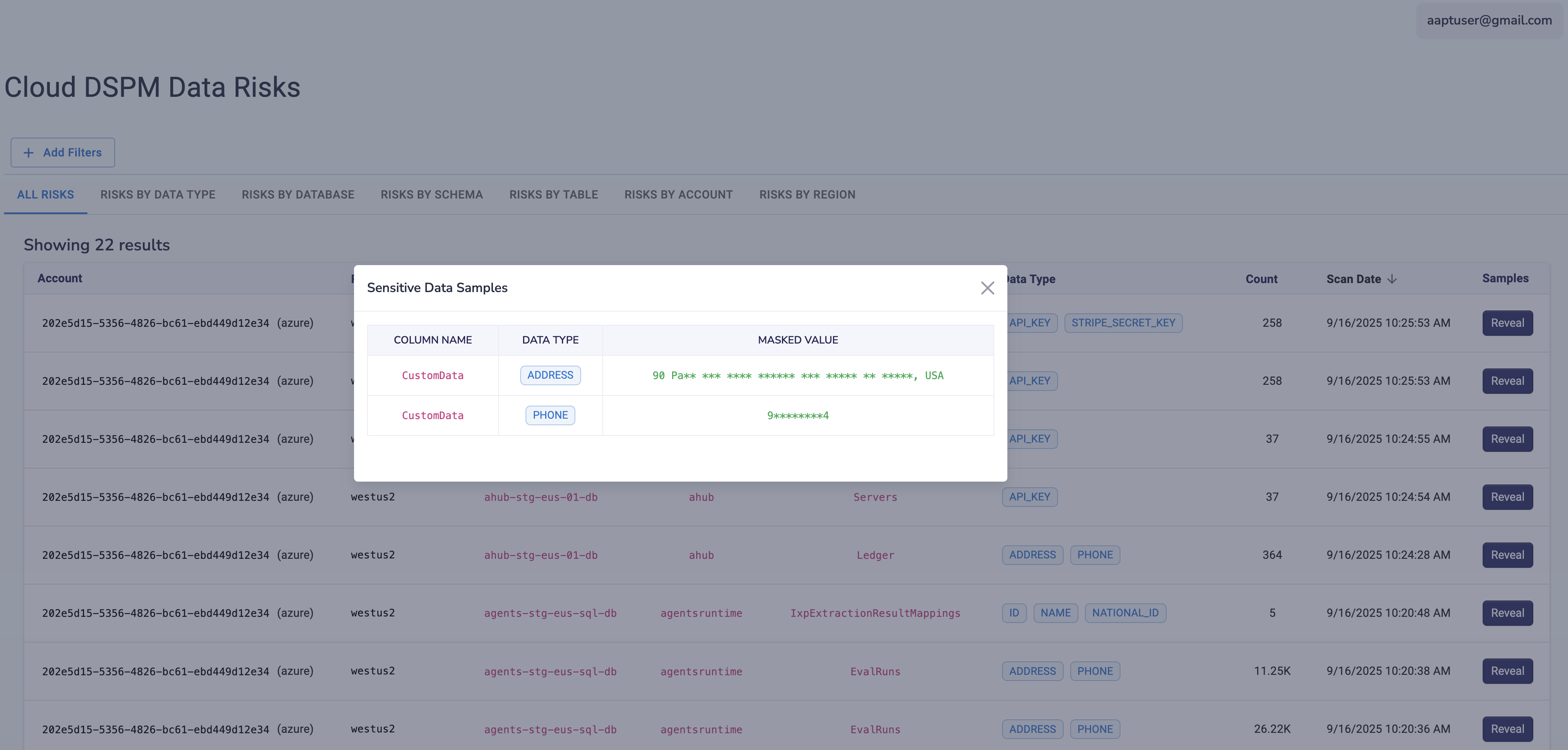
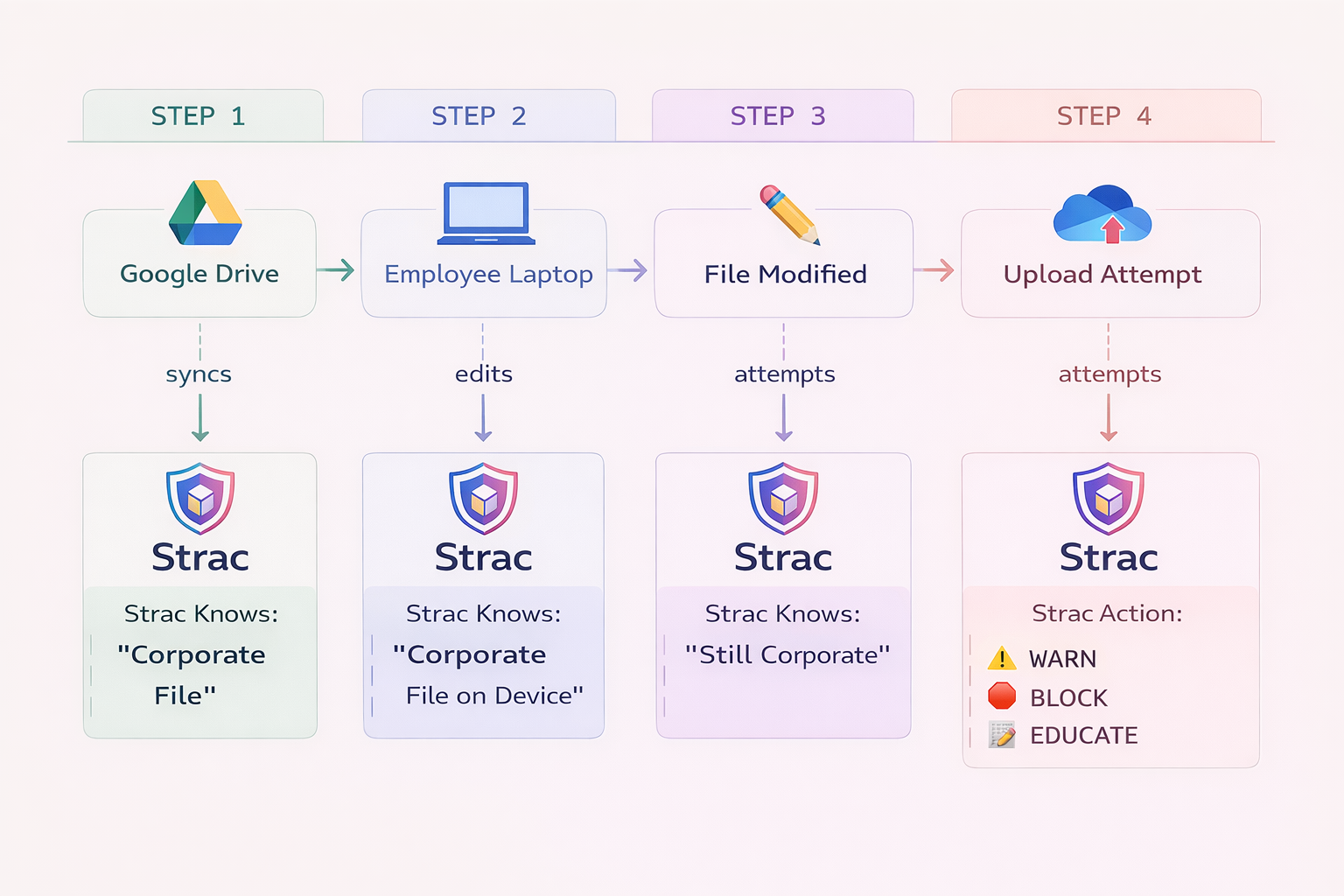
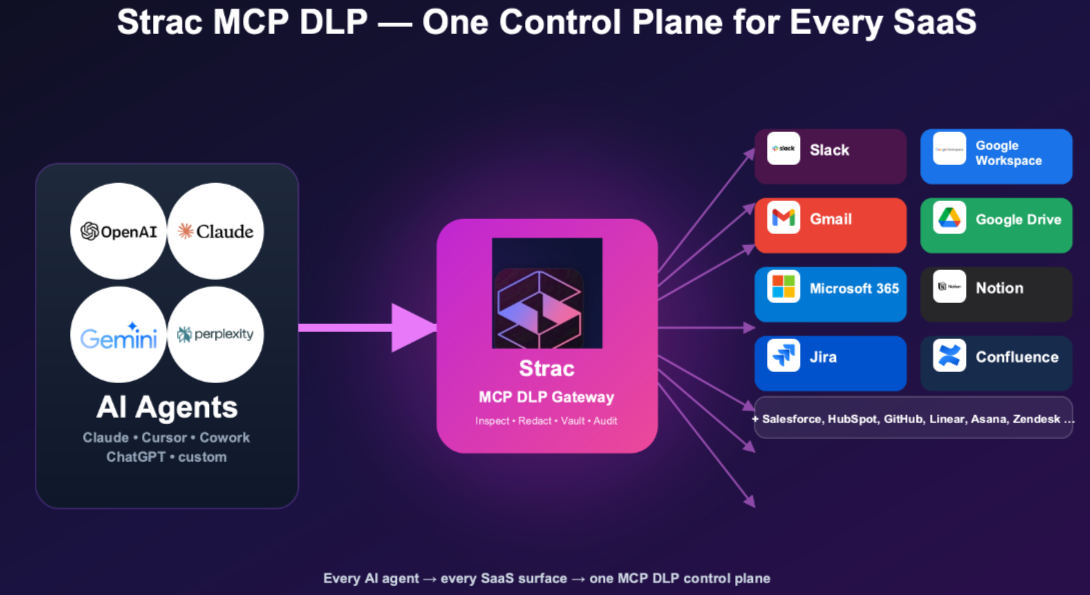

Key features
Pros
Companies such as UiPath, Crypto.com, and Underdog Fantasy use Strac to protect sensitive data across their SaaS environments.
Focus areas: Traditional DLP, endpoint and network enforcement, email
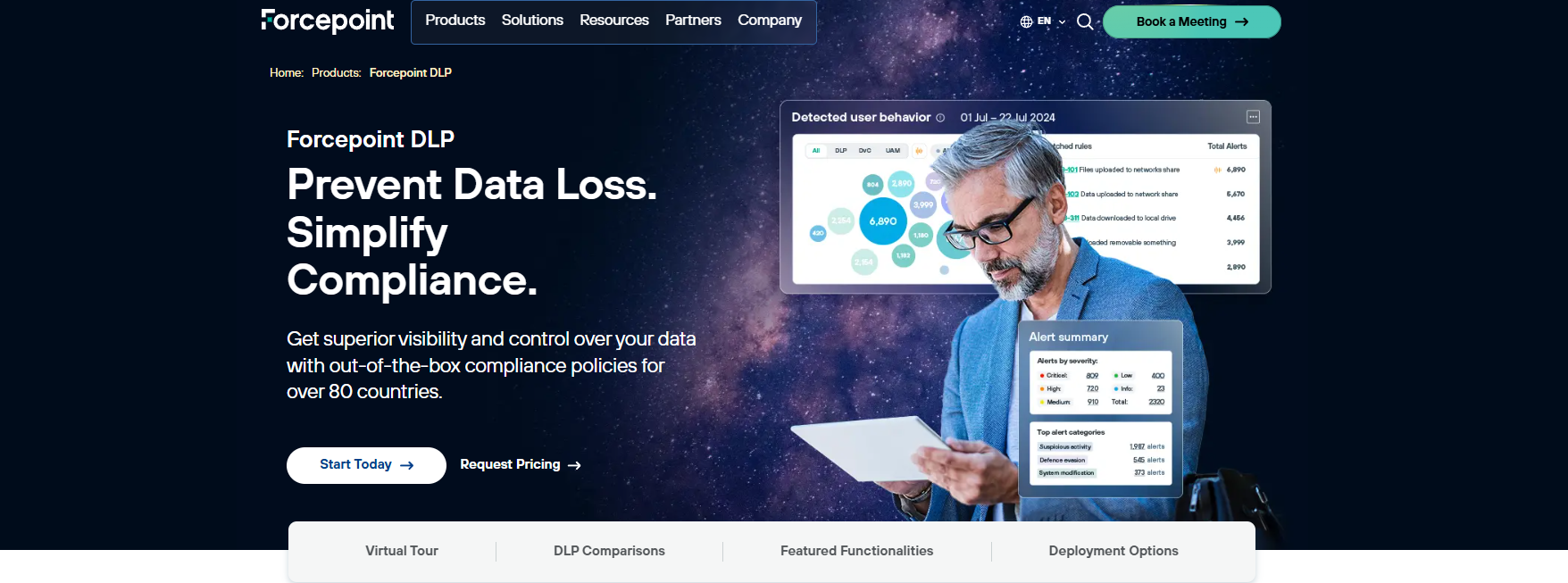
Best for: large enterprises that need mature endpoint policies and content inspection on managed devices.
Where it shines
Mind the gaps
See the full Forcepoint vs Strac comparison.
Focus areas: Enterprise DLP across endpoint, network, email, and storage
Best for: legacy enterprise environments with traditional on-premises infrastructure.
Where it shines
Mind the gaps
Focus areas: Email DLP, insider threat management, endpoint monitoring
Best for: email-first organizations already running Proofpoint's email gateway.
Where it shines
Mind the gaps
See the Proofpoint alternatives breakdown.
Focus areas: Security service edge, CASB, cloud DLP
Best for: teams consolidating on a security service edge and routing traffic through a cloud proxy.
Where it shines
Mind the gaps
See the full Netskope vs Strac comparison.
Focus areas: Zero trust access, secure web gateway, inline DLP
Best for: organizations already standardized on Zscaler Internet Access.
Where it shines
Mind the gaps
Focus areas: Data lineage, insider risk, endpoint DLP
Best for: enterprises prioritizing deep endpoint-based insider threat detection.
Where it shines
Mind the gaps
See the Cyberhaven vs Code42 head-to-head.
Focus areas: Data governance, permissions analytics, DSPM
Best for: on-premises or hybrid environments with heavy file shares.
Where it shines
Mind the gaps
See the Varonis alternatives breakdown.
Focus areas: DSPM, data discovery and classification, privacy
Best for: privacy-led programs that need rich data catalogs and mapping.
Where it shines
Mind the gaps
See the BigID alternatives breakdown.
Focus areas: DSPM, cloud data discovery, risk scoring
Best for: enterprises prioritizing multi-cloud discovery with compliance mapping.
Where it shines
Mind the gaps
Most tools on this list protect one surface well. Legacy suites guard the network and the device, proxies inspect traffic in transit, and discovery platforms map data without acting on it. The gaps between them are where sensitive data leaks.
What to prioritize when you compare DLP software:
Visibility shows you where sensitive data lives; remediation is what removes the risk. That is why Strac sits at the top of this list.
A longer version lives in the DLP security checklist.
Every tool on this list protects something; the question is whether it protects the channels your data uses today. Network, endpoint, and identity controls all fail eventually, and the data layer is the backstop. Redact sensitive data on every action across SaaS, browser, endpoint, generative AI, and MCP, and a compromise never becomes a breach.
Book a demo to see Strac run that data layer in your own environment.
👉 Related reading:
Endpoint DLP runs on the device and controls what leaves it. SaaS DLP connects to cloud apps by API and protects data stored and shared inside them. Most companies need both, ideally under one policy set so nothing falls between them.
Because it was built for email, network, and file channels. Prompts travel inside encrypted browser sessions, and agent responses travel over MCP, neither of which a gateway was designed to read. See why legacy DLP fails for AI.
No. Blocking pushes people to personal devices and removes visibility. Redaction and vaulting let employees keep using Slack, email, and generative AI while the sensitive element never leaves, which is safer for the data and easier on the work.
No. Every detector misses something, and people find new channels. That is why the data layer matters: when every action is redacted by default, whatever slips past one control is already stripped of its sensitive parts.
DLP is the enforcement layer. Governance sets the rules for which data can reach which AI tools and agents; DLP applies those rules on every paste, upload, and tool call. Start from the AI data governance pillar.
“Don’t just alert on problems, fix them.”
Scott Roberts, Chief Information Security Officer, UiPath









Customers include