September 2, 2026

3
min read
How to Stop Customer Data From Being Used to Train AI?
Learn how Strac prevents customer data from reaching AI models
· Stopping customer data from being used to trainAI is the practice of governing what leaves your environment, not just what avendor promises to do with it once it arrives.
· Theexposure is newly hard because customer data no longer leaves as a databaseexport. It leaves one paste, one file upload, and one agent call at a time.
· Opt-out settings and data processing agreementsonly cover the accounts and vendors you know about. A personal ChatGPT login, abrowser extension, or an MCP DLP blind spot sitsoutside every one of them.
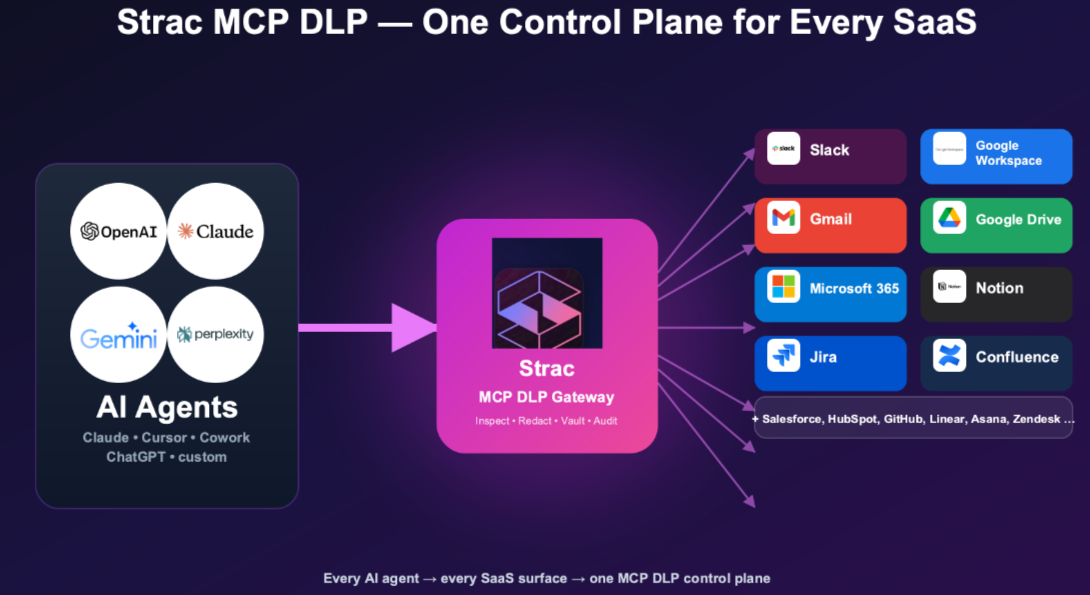
· Strac inspects the content of every browserpaste, endpoint upload, SaaS share, and MCP call, then redacts PII, PHI, andsecrets before a model ever sees them.
· This is the enforcement half of AI data governance. Start from that pillarfor the full program.
Customer data trains an AI model when content your company holds on behalf of its customers ends up in the corpus a provider uses to improve a model, or in a fine-tuning or retrieval set you build yourself. There are three routes, and they are not equally well understood.
The first is provider training on inputs. Consumer tiers of most assistants train on what users type unless the setting is changed. Enterprise tiers usually do not, by default.
The second is retention. Even with training off, prompts are often stored for a period for abuse monitoring, and some of those flows include human review. Retention is not training, but it is still your customer's data sitting on someone else's disk.
The third is your own pipeline. A fine-tuning job or a RAG index built straight off production tables puts customer records into a model you own, where deletion requests are far harder to honor than in a database.
Turning off training is worth doing on day one. It is also the easiest step, which is why so many programs stop there.
A setting is a promise about how a vendor behaves. A control is a fact about what leaves your network. The setting governs one account on one tool that someone remembered to configure. It does nothing about the free tier a marketer signed up for last Tuesday, the AI feature a SaaS vendor enabled by default in a product update, or the assistant running locally on a laptop that never touches a corporate proxy.
That gap has a name, and it is Shadow AI. Opt-outs cover the sanctioned tools. Redaction covers everything else.
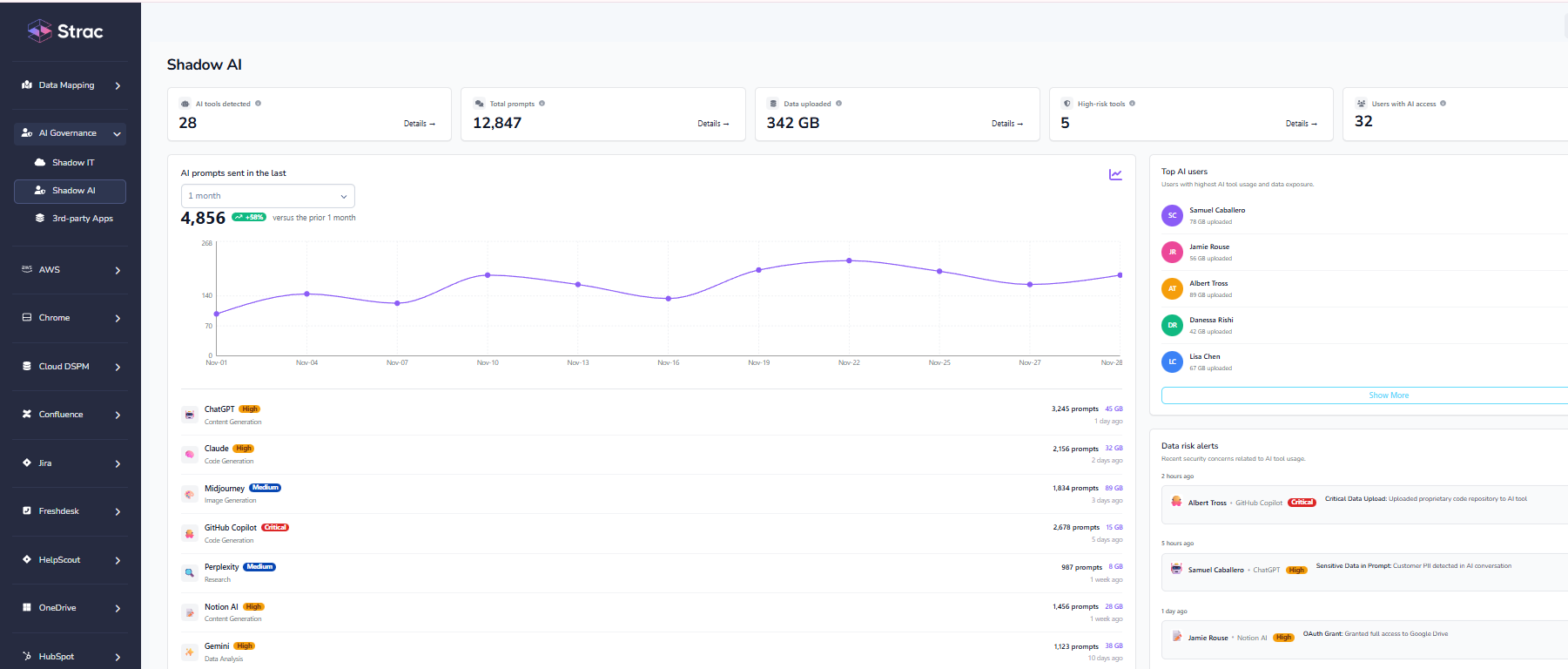
Sensitive data reaches models through four surfaces, and each one defeats a different piece of the traditional stack.
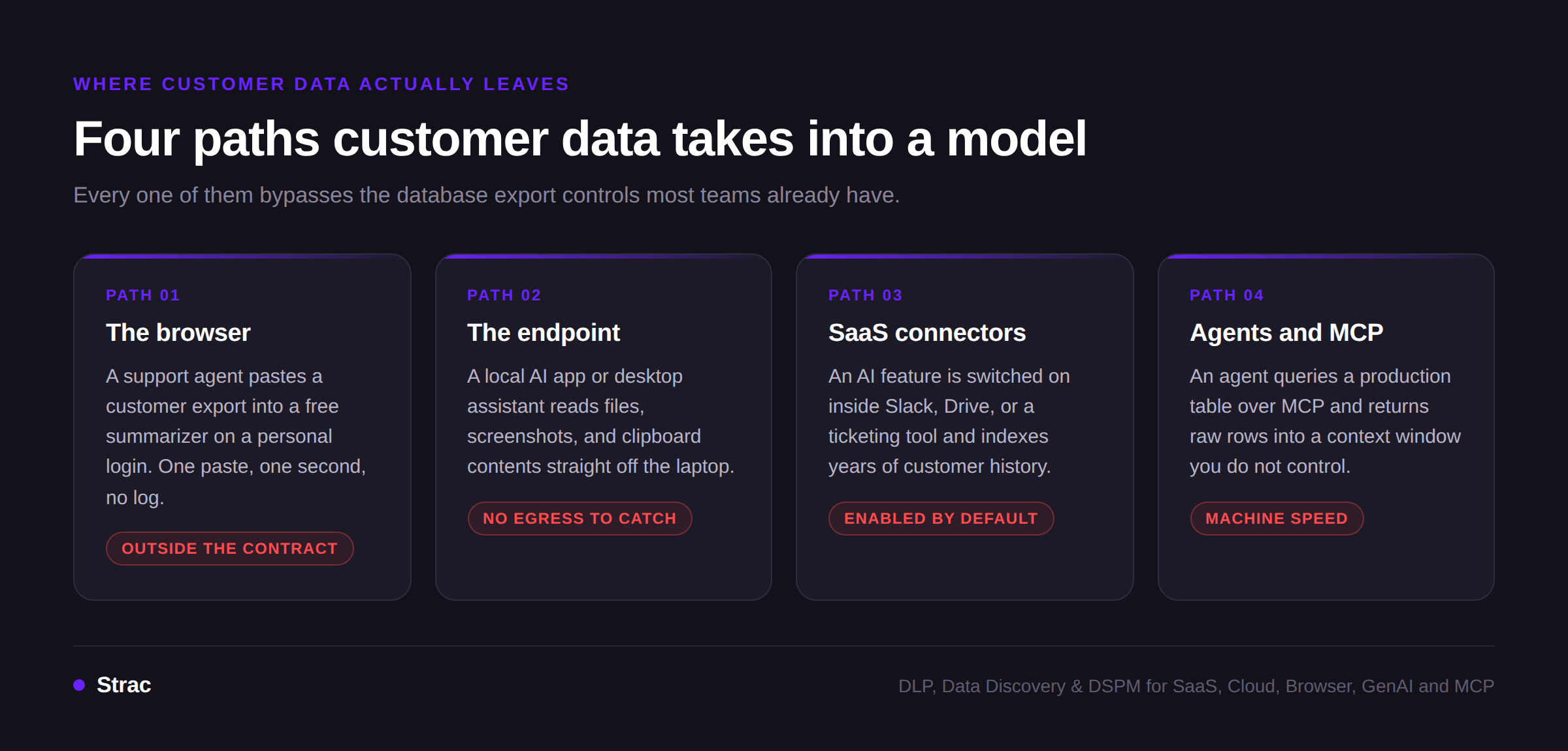
Legacy tooling watches files at rest and email in transit. None of these four leave through either one.
Network DLP does not see a paste inside an encrypted session. Endpoint tools built around file movement do not see a local model reading the clipboard. CASB rules do not see an AI feature that a SaaS vendor turned on inside a product the company already approved. And no identity control stops an agent from doing exactly what it was authorized to do, at machine speed, with the raw rows attached. This is why legacy DLP fails for AI.
Get the paper right anyway. A data processing agreement should say, in plain terms, that the provider does not train on customer content, how long inputs are retained, whether humans review them, and which sub-processors receive them. Silence in a contract is not an opt-out.
Then accept what paper cannot do. A contract is enforceable against a vendor you have a relationship with. It is worth nothing against the sixty AI tools your employees are using on personal logins, which is the population that how to detect shadow AI exists to surface. Legal reduces liability. The data layer reduces exposure.
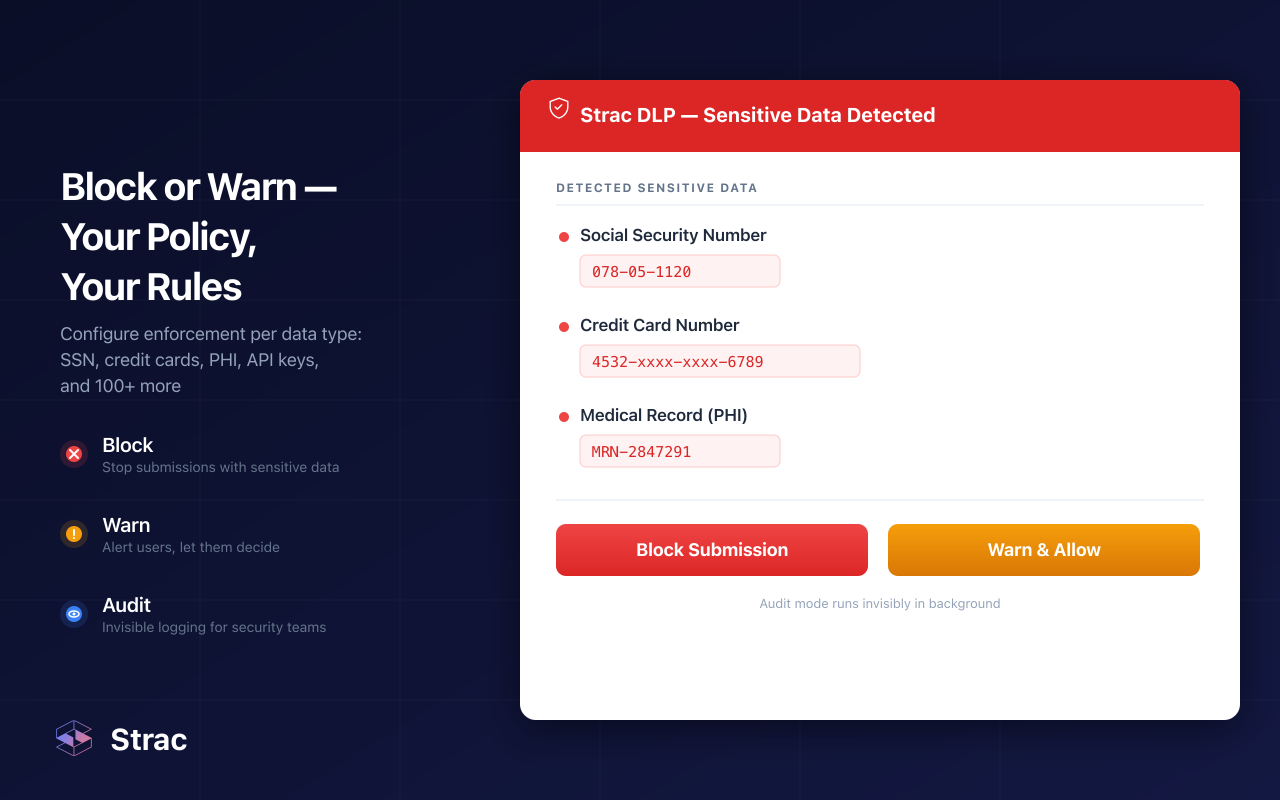
The one control that works the same on every surface is content inspection at the point of use. Strac reads the actual payload, a prompt, an upload, a Slack message, an agent response, classifies the sensitive elements inside it, and acts before the data moves.
Redaction is the default because a blocked employee finds another route; a redacted one gets the answer without the customer record attached.
Redaction is what turns a policy into a fact. A support agent can still paste a ticket thread into an assistant to draft a reply. What arrives at the model is the thread with the name, email, account number, and card details already replaced. The work happens. The training set stays clean.
Strac is a Data Loss Prevention (DLP), Data Discovery and DSPM platform that applies the same detection and the same remediation across all four paths.
.gif)
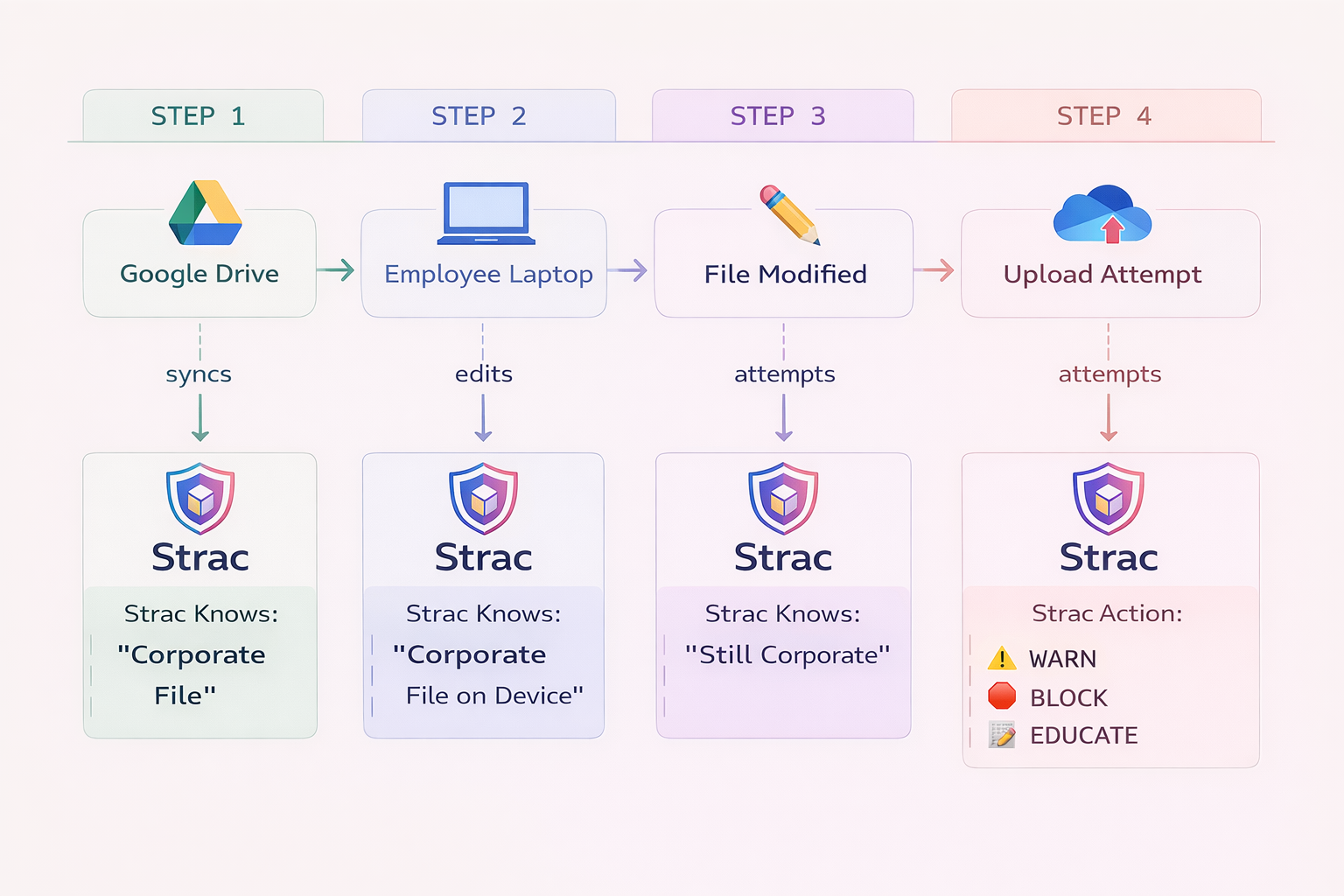
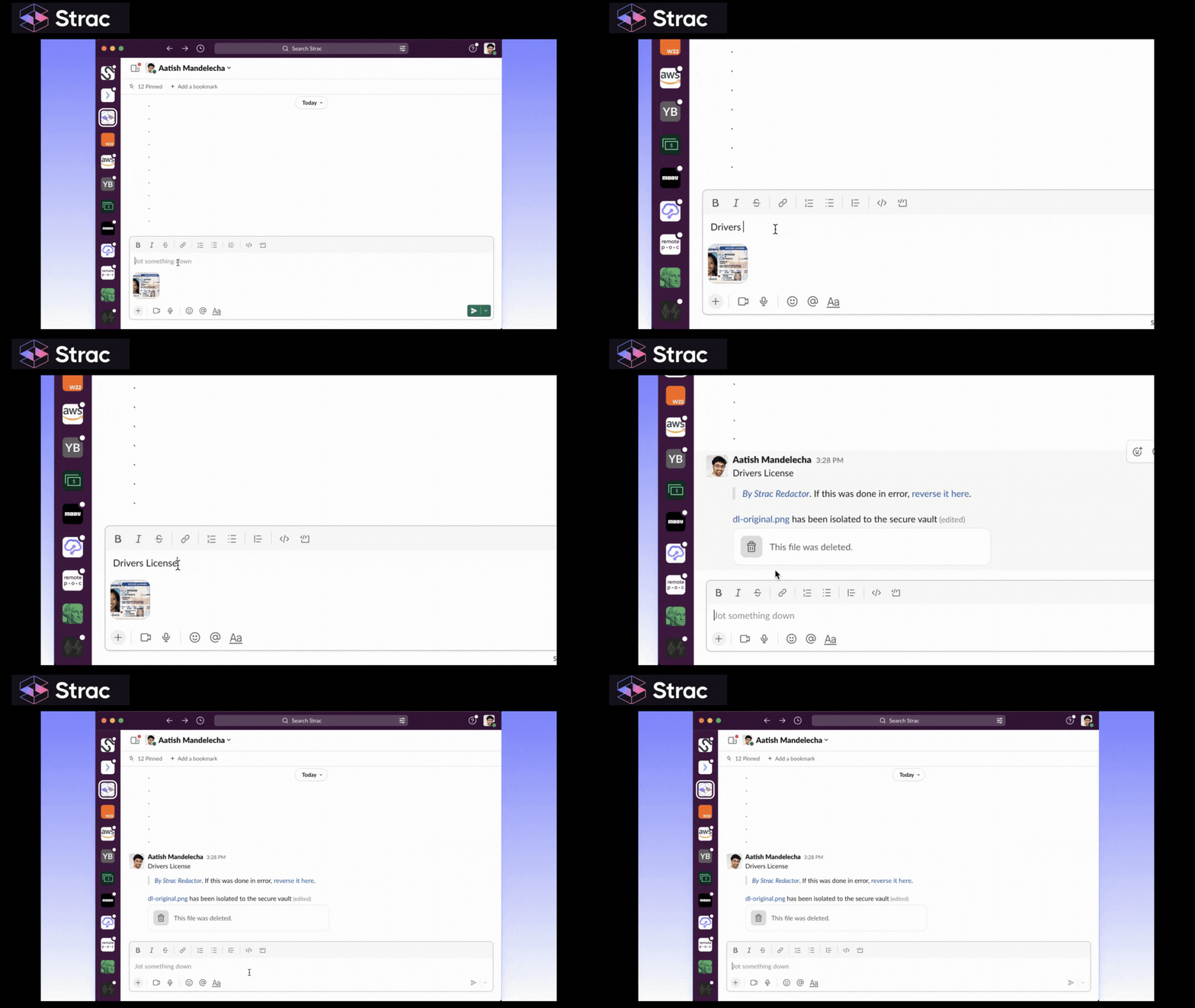
Vendor settings and contracts define the promise. Neither one inspects a single byte. Identity, model, and network controls all fail eventually, and the data layer is the backstop: redact sensitive data on every action and a compromise never becomes a breach.
Strac applies that backstop across browser, endpoint, SaaS, cloud, and MCP DLP, so customer data reaches the model already stripped of anything you would not want in a training set.
No. The setting covers the accounts you configured. It does nothing for personal logins, free tiers, browser extensions, or AI features a SaaS vendor enables by default. Redaction at the point of use is what covers the rest.
Because legacy DLP watches files and email, and AI exposure happens as a paste, a prompt, or an agent call. Those never become a file. See why legacy DLP fails for AI for the full breakdown.
No, and blocking usually backfires. People route around a block to a tool with no controls at all. Strac redacts sensitive elements from the prompt and lets the sanitized request through, so the work continues and the customer record does not.
Not cleanly. Once records are in a training corpus, deletion means retraining or approximate unlearning, and neither is a guarantee you can hand an auditor. That is the argument for stopping the data at the point of use rather than negotiating afterward.
Yes. Agents pull from production systems at machine speed with no human in the loop, which makes them the fastest path from a customer table to a model. MCP DLP redacts sensitive fields on every agent action. See AI agent governance for the wider program.
.avif)


.gif)


.webp)