Calendar Icon White
August 10, 2026
Clock Icon
3
 min read

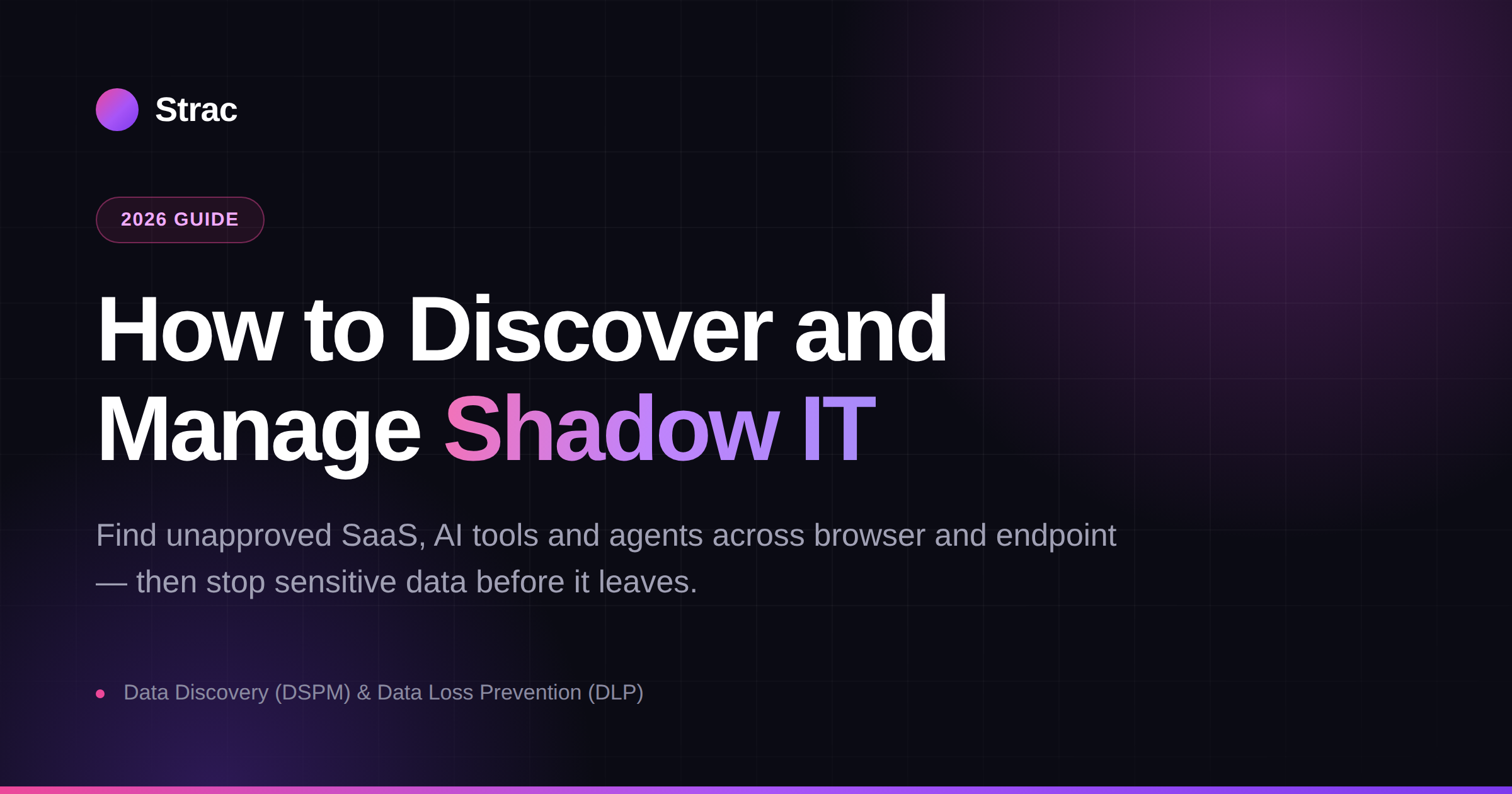
Discover and Manage Shadow IT: A Comprehensive Guide

Learn how to manage shadow IT with effective strategies, best practices, and advanced protection from Strac DLP.

Discover and Manage Shadow IT: A Comprehensive Guide
ChatGPT
Perplexity
Grok
Google AI
Claude
Summarize and analyze this article with:

TL;DR

  • Shadow IT involves using unapproved tools and devices, posing security risks.
  • Manage shadow IT by implementing governance frameworks and employee training.
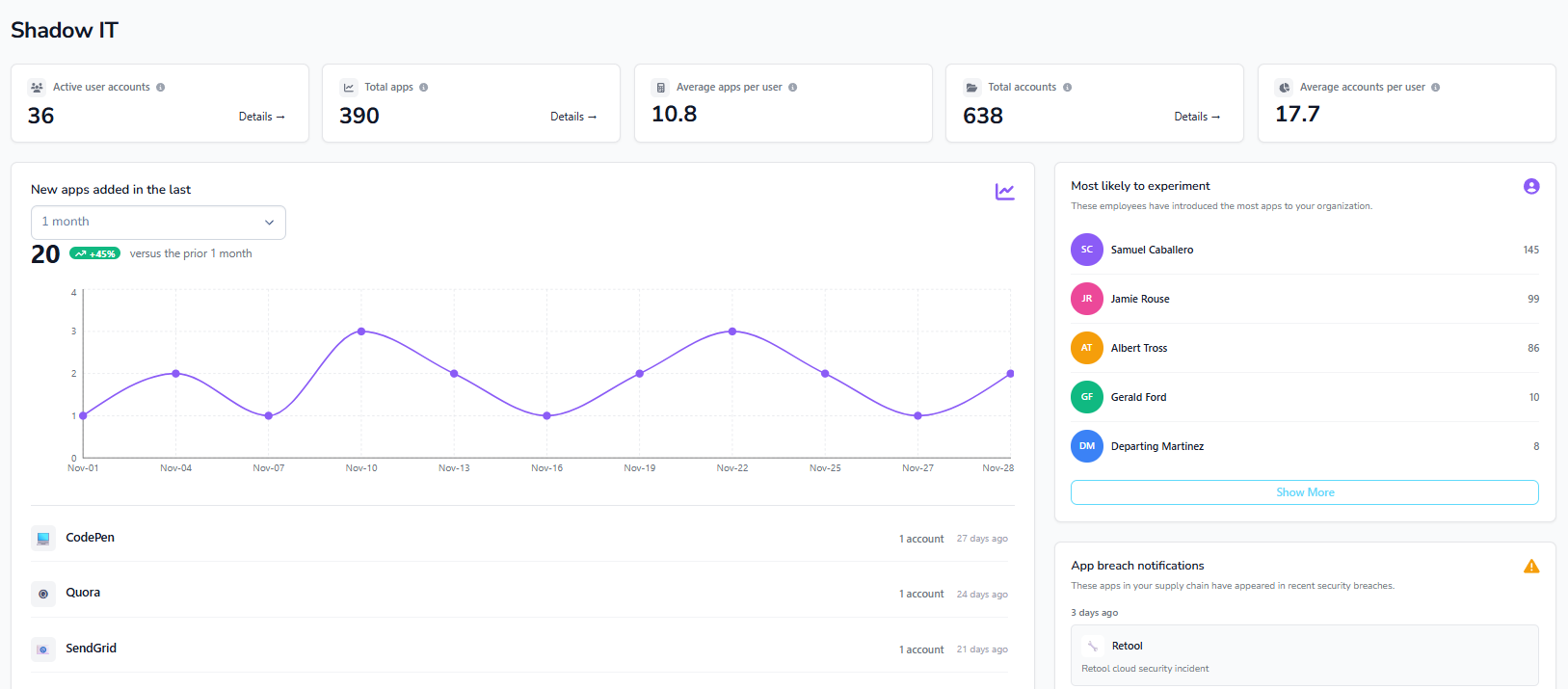
  • Use monitoring tools and regular audits to identify unauthorized applications.
  • Strac DLP offers advanced threat detection and compliance support for managing shadow IT.
  • Enhance security with data loss prevention tools and continuous monitoring.
  • Shadow IT refers to using technology systems, devices, software, and services without explicit IT department approval.

    This practice has become increasingly common as employees seek to enhance productivity and efficiency with tools that meet their specific needs. While shadow IT can drive innovation and agility, it poses significant risks to organizational security and compliance.

    Discovering and managing shadow IT is essential for maintaining a secure IT environment.

    This blog will explore strategies and best practices for identifying and managing shadow IT, emphasizing the role of tools like Strac DLP in mitigating associated risks.

    Understanding Shadow IT

    Shadow IT encompasses using information technology systems, devices, software, and services without explicit approval from the organization’s IT department. This practice often arises when employees seek to enhance their productivity by utilizing tools not officially sanctioned or monitored by IT.

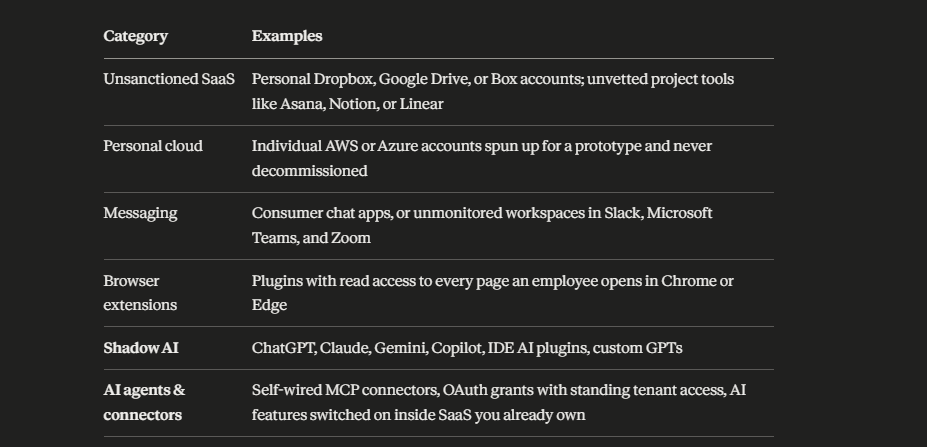
    Common Examples of Shadow IT in Organizations

    1. Cloud Storage Services: Employees use personal accounts on platforms like Dropbox, Google Drive, or OneDrive to store and share work-related documents.
    2. Collaboration Tools: Teams adopting unapproved project management and communication tools like Slack, Trello, or Asana.
    3. Personal Devices: Using personal laptops, smartphones, or tablets for work tasks without following BYOD (Bring Your Own Device) policies.
    4. Unapproved Software: Installation of unauthorized applications on company devices to perform specific tasks.
    5. Social Media and Messaging Apps: Utilizing platforms like WhatsApp, Facebook Messenger, or LinkedIn for business communications outside the official channels.

    By understanding these common examples, organizations can better recognize the prevalence and impact of shadow IT within their operations, allowing them to implement effective management strategies.

    Risks of Unmanaged Shadow IT

    Security Risks

    • Unauthorized Access and Data Breaches

    Shadow IT can lead to unauthorized access to sensitive data since unapproved tools are not monitored by the IT department. This lack of oversight increases the risk of data breaches, exposing confidential information to malicious actors.

    • Increased Vulnerability to Cyber Attacks

    Unauthorized applications and devices often lack the necessary security updates and patches. This makes them easy targets for cybercriminals, potentially introducing malware, ransomware, and other cyber threats into the organization.

    Compliance Risks

    • Violations of Regulatory Standards (e.g., GDPR, HIPAA)

    Using unapproved tools can lead to non-compliance with regulatory standards such as GDPR and HIPAA. These regulations require strict controls over data handling, and shadow IT can bypass these controls, resulting in significant legal and financial penalties.

    • Impact on Audit Trails and Accountability

    Shadow IT complicates audit trails, making tracking data access and modifications difficult. This lack of visibility undermines accountability and hampers the organization’s ability to conduct thorough investigations during a security incident.

    Operational Risks

    • Data Silos and Lack of Integration

    Unauthorized tools can create data silos, where information is isolated within disparate systems. This fragmentation hinders data accessibility and collaboration, leading to inefficient workflows and decision-making processes.

    • Inefficiencies and Increased IT Complexity

    The proliferation of shadow IT increases the complexity of the IT environment, making it difficult for IT departments to support and manage. This can lead to inefficiencies, increased operational costs, and challenges in implementing comprehensive security measures across the organization.

    Benefits of Managing Shadow IT

    Enhanced Security and Reduced Risks

    Organizations can implement proper security measures to protect sensitive data by managing shadow IT. This includes monitoring and controlling access to unauthorized tools, thereby reducing the risk of data breaches and cyber-attacks. With better visibility, IT departments can quickly identify and mitigate potential threats.

    Improved Compliance with Regulatory Standards

    Effective shadow IT management ensures that all tools and services used within the organization comply with regulatory standards such as GDPR and HIPAA. This compliance helps avoid legal penalties and ensures data handling practices meet the required guidelines.

    Better Operational Efficiency and Integration

    Managing shadow IT promotes better integration of tools and systems, reducing data silos and enhancing collaboration across the organization. Organizations can streamline workflows and improve overall operational efficiency by providing approved and secure alternatives. This also reduces IT complexity, making it easier for IT departments to support and manage the technological ecosystem.

    Strategies for Discovering Shadow IT

    Using Monitoring Tools

    Monitoring tools are essential for identifying shadow IT within an organization. Types of monitoring tools include:

    • Cloud Access Security Brokers (CASBs): These provide visibility into cloud services and enforce security policies.
    • Network Monitoring Tools: These track network traffic and detect unauthorized devices and applications.
    • Endpoint Detection and Response (EDR): These monitor endpoint activities and identify suspicious behavior.

    How to Implement and Configure These Tools

    1. Identify Key Requirements: Determine what you need to monitor, such as cloud services, network traffic, or endpoint activities.
    2. Select Appropriate Tools: Choose tools that align with your requirements and organizational size.
    3. Configure and Deploy: Set up the tools to monitor relevant activities and integrate them with existing IT systems.
    4. Regularly Update and Maintain: Ensure tools are kept up-to-date to handle new types of shadow IT.

    Conducting Regular Audits

    Steps to Perform Effective IT Audits

    1. Plan the Audit: Define the audit’s scope, objectives, and criteria.
    2. Gather Information: Collect data on current IT usage, including known and unknown applications.
    3. Analyze Data: Identify patterns and anomalies that indicate unauthorized tools.
    4. Document Findings: Create a detailed report of all unauthorized tools and applications discovered.

    Identifying and Cataloging Unauthorized Tools and Applications

    1. Create an Inventory: Maintain a comprehensive list of all tools and applications used within the organization.
    2. Classify Tools: Categorize them based on risk levels, usage frequency, and compliance requirements.
    3. Develop an Action Plan: Address the identified risks by either integrating, replacing, or eliminating unauthorized tools.
    4. Monitor and Review: Continuously monitor for new instances of shadow IT and review the inventory regularly to ensure it remains accurate and up-to-date.

    By implementing these strategies, organizations can effectively discover and manage shadow IT, enhancing overall security and compliance.

    Best Practices for Managing Shadow IT

    Implementing Governance Frameworks

    • Establishing Clear Policies and Guidelines

    Creating and enforcing clear policies is essential for managing shadow IT. These policies should define acceptable use, outline the approval process for new tools, and set security standards.

    • Creating a Governance Committee

    Form a governance committee with IT, security, compliance, and business unit representatives. This committee will oversee policy implementation, monitor compliance, and address any issues related to shadow IT.

    Encouraging Safe Practices

    • Employee Training and Awareness Programs

    Educate employees on the risks of shadow IT and the importance of using approved tools. Regular training sessions can help employees understand the security and compliance implications of unauthorized IT usage.

    • Providing Secure Alternatives to Unauthorized Tools

    Offer approved and secure alternatives that meet employees’ needs. Ensure these tools are user-friendly and capable of fulfilling the same functions as the unauthorized ones.

    Enhancing Visibility and Control

    • Use of Data Loss Prevention (DLP) Tools

    Deploy DLP tools to monitor and protect sensitive data. These tools can detect and prevent unauthorized data transfers and access attempts.

    • Continuous Monitoring and Real-Time Alerts

    Implement continuous monitoring to detect shadow IT activities in real-time. Use real-time alerts to notify IT staff of unauthorized applications or devices, allowing swift action to mitigate risks.

    By adopting these best practices, organizations can effectively manage shadow IT, ensuring security, compliance, and operational efficiency.

    Role of Strac DLP in Managing Shadow IT

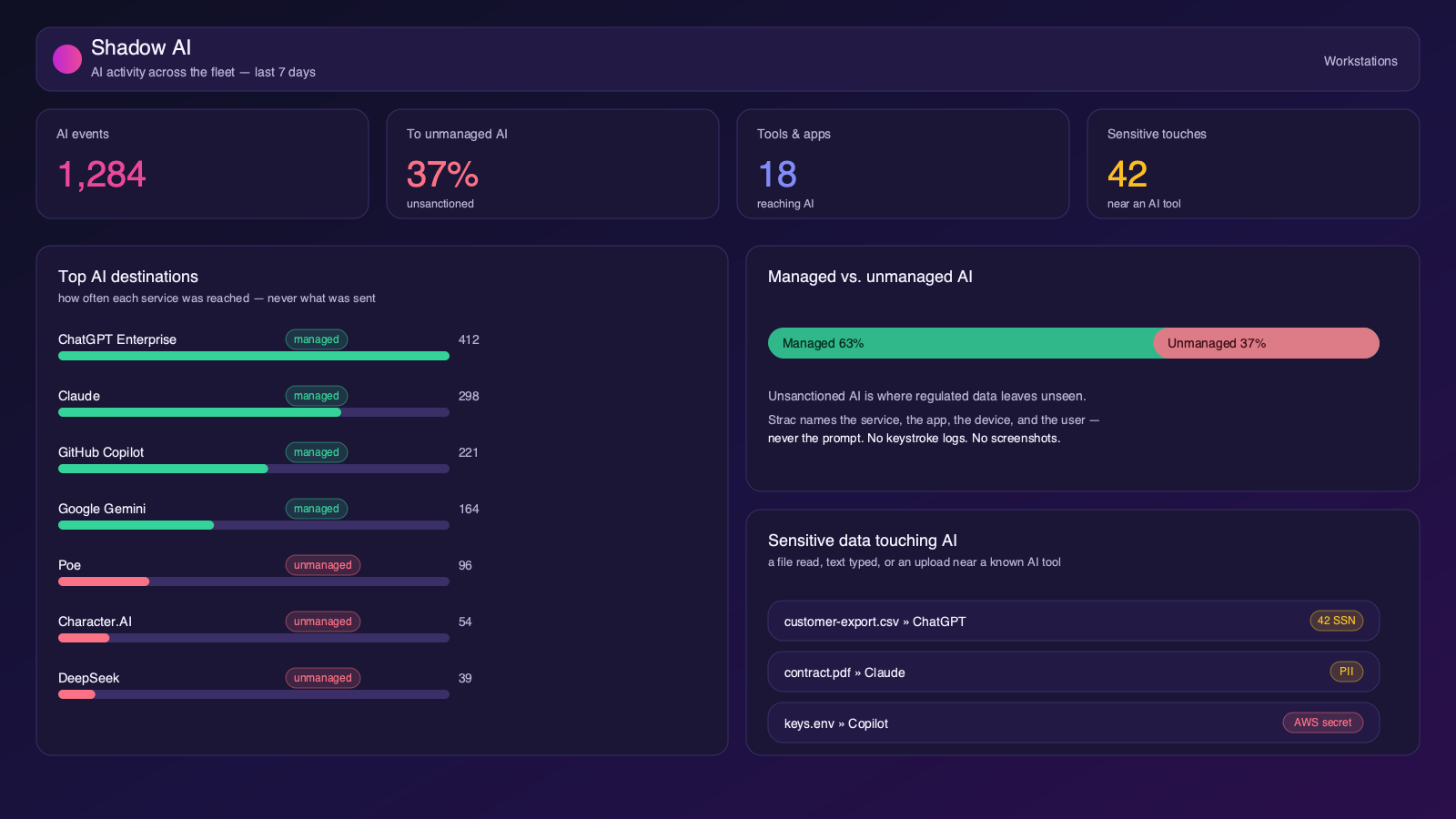
    Strac DLP is a comprehensive data loss prevention solution that protects sensitive information across various platforms. It utilizes advanced technologies like machine learning and AI to provide real-time threat detection, data classification, and policy enforcement, making it an effective tool for managing shadow IT.

    Integration with Existing Systems

    Strac DLP seamlessly integrates with existing IT infrastructures, including cloud services, on-premises systems, and endpoint devices. This integration is achieved through API-based connections and native support for popular platforms like Microsoft 365, Google Workspace, and AWS.

    Benefits of Using Strac DLP to Monitor and Manage Shadow IT

    1. Enhanced Visibility: Strac DLP provides comprehensive visibility into all data flows and user activities, including those involving unauthorized applications and devices.
    2. Centralized Management: Organizations can manage and enforce data protection policies from a centralized platform, ensuring consistent security measures across all systems.
    3. Automated Policy Enforcement: Strac DLP automates the enforcement of security policies, reducing the risk of human error and ensuring compliance with organizational standards.

    Advanced Threat Detection

    Strac DLP employs sophisticated machine learning algorithms to detect and mitigate security threats. These algorithms analyze patterns and anomalies in data usage and user behavior, identifying potential risks such as unauthorized application usage and data exfiltration.

    Examples of Threats Detected and Mitigated by Strac

    • Phishing Attempts: Strac detects and blocks phishing emails and malicious attachments.
    • Malware and Ransomware: Advanced scanning features identify and neutralize malware and ransomware threats.
    • Unauthorized Access: Continuous monitoring flags unauthorized access attempts, preventing data breaches.

    Compliance and Regulatory Support

    Strac DLP supports compliance with various regulatory standards, such as GDPR, HIPAA, and PCI DSS. It provides tools and features that ensure data is handled per these regulations.

    The platform also enhances data protection and accountability by providing comprehensive monitoring and reporting capabilities. These features help organizations track data access and usage, ensuring all activities are documented and compliant with internal and external standards.

    By integrating Strac DLP into their IT environments, organizations can effectively manage shadow IT, enhance data security, and ensure compliance with regulatory requirements. Strac DLP offers a robust solution for mitigating the risks associated with shadow IT while enabling innovation and productivity.

    Conclusion

    Effectively managing shadow IT is crucial for maintaining a secure and compliant IT environment. By balancing the benefits of innovation and flexibility with robust security measures, organizations can mitigate risks and ensure operational efficiency.

    To manage shadow IT effectively, consider integrating Strac DLP into your IT infrastructure. Strac DLP offers advanced threat detection, seamless integration, and comprehensive compliance support.

    Schedule a demo with Strac DLP today to see how it can help you manage shadow IT and protect your organization’s digital assets.

    Discover & Protect Data on SaaS, AI, MCP, Endpoints & Cloud
    Strac provides end-to-end data loss prevention for all SaaS and Cloud apps. Integrate in under 10 minutes and experience the benefits of live DLP scanning, live redaction, and a fortified SaaS environment.
    Trusted by enterprises
    Data Security + Compliance Automation

    Latest articles

    Browse all

    Get Your Datasheet

    Thank you! Your submission has been received!
    Oops! Something went wrong while submitting the form.
    Close Icon