October 1, 2026

7
min read
Data Loss Prevention Tips for Small Businesses
Data loss prevention for small businesses made simple. Discover, classify, and protect sensitive data across SaaS and AI tools; without complex IT overhead.
Small businesses don’t lose data because they don’t care. They lose it because their data now lives in dozens of SaaS apps; Gmail, Google Drive, Slack, Salesforce, support tools, even AI platforms; and none of those were built with small business security teams in mind.
Data loss prevention for small businesses isn’t about buying a giant enterprise security stack. It’s about knowing where your sensitive data actually lives; customer PII, invoices, payroll details, contracts; and having simple, automated controls that protect it in real time without slowing your team down.
In this guide, we’ll break down how modern, agentless DLP helps small businesses automatically discover, classify, and remediate sensitive data across SaaS and AI tools; without a massive IT budget, complex agents, or weeks of setup.
Data Loss Prevention (DLP) for small businesses refers to the strategies, technologies, and practices aimed at ensuring that sensitive information is not lost, misused, or accessed by unauthorized individuals. This includes protecting data from internal threats, such as employees mishandling information, and external threats, like cyberattacks.
Example 1: A small medical clinic needs to protect patient information to comply with HIPAA regulations. DLP solutions help ensure that patient records are encrypted and accessed only by authorized personnel.
Example 2: A small financial firm handles sensitive client financial data. DLP can prevent unauthorized employees from accessing or sharing this information, ensuring compliance with PCI DSS standards.
Example 3: A small e-commerce business collects customer payment information. DLP solutions can help detect and block any unauthorized attempts to access this data, protecting both the business and its customers.

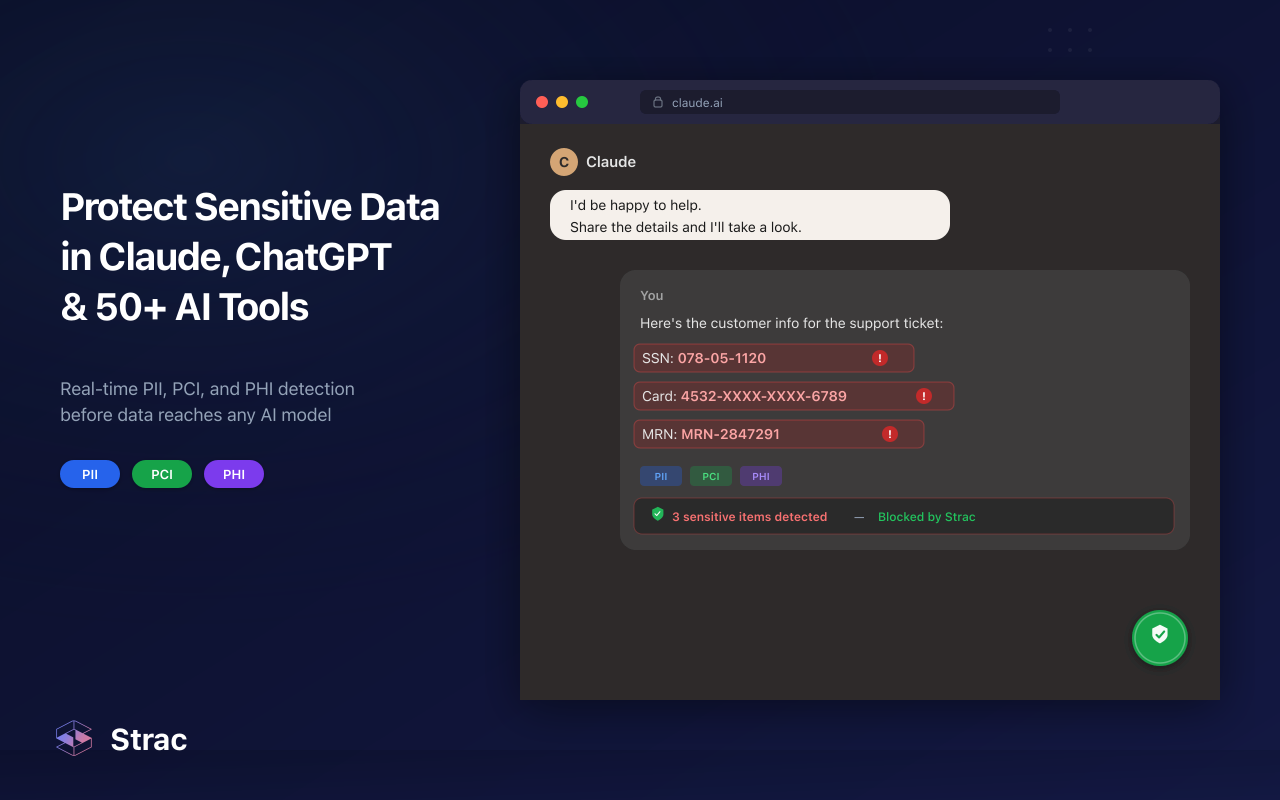
For small businesses, data theft usually isn’t dramatic. It’s a file shared publicly by mistake. A support ticket with a customer’s SSN. An employee pasting sensitive data into Slack or an AI tool. That’s how leaks actually happen.
Basic protection starts with visibility. You need to know where sensitive data lives across Gmail, Drive, Slack, Salesforce, and other SaaS tools; and who has access to it. Passwords alone aren’t enough.
Modern data loss prevention for small businesses should be simple and practical:
Most leaks are accidental. The goal isn’t to control your team; it’s to prevent small mistakes from turning into expensive breaches.
Small businesses face numerous risks that DLP solutions can mitigate. These include data breaches, compliance violations, and reputational damage.
Risk 1: Data Breaches Data breaches can be devastating for small businesses, leading to financial losses, legal penalties, and loss of customer trust. DLP solutions help prevent data breaches by monitoring and controlling data movement within and outside the organization.
Example: A small retail business suffers a data breach, exposing customer payment information. With DLP, such breaches can be detected early, and immediate action can be taken to mitigate the damage.
Risk 2: Compliance Violations Small businesses often need to comply with various regulations, such as GDPR, HIPAA, and PCI DSS. DLP solutions help ensure that sensitive data is handled in compliance with these regulations, avoiding costly fines and legal issues.
Example: A small healthcare provider fails to comply with HIPAA regulations due to inadequate data protection measures. DLP solutions can automate compliance checks and enforce policies to prevent such violations.
Risk 3: Reputational Damage Losing sensitive data can severely damage a small business's reputation. Customers and partners may lose trust, leading to loss of business and revenue. DLP helps maintain data integrity and confidentiality, preserving the business's reputation.
Example: A small tech startup leaks proprietary information. DLP solutions can prevent unauthorized access and sharing of sensitive data, safeguarding the business’s reputation.
An ideal Data Loss Prevention (DLP) solution for small businesses should encompass several key features to ensure comprehensive data protection and compliance with regulatory requirements. These features are essential in safeguarding sensitive information, mitigating risks, and maintaining the trust of customers and partners.
A robust DLP solution must be capable of detecting all types of sensitive data, including Personally Identifiable Information (PII), Protected Health Information (PHI), Payment Card Information (PCI), and proprietary information. This comprehensive detection ensures that no critical data is overlooked. By accurately identifying sensitive data across various formats and locations, businesses can better protect themselves against data breaches and unauthorized access.

Continuous monitoring of data movement is crucial for the early detection of potential threats. A DLP solution should provide real-time alerts to notify administrators of suspicious activities, enabling them to respond immediately. This proactive approach helps in preventing data loss incidents before they escalate into major security breaches. Real-time monitoring also ensures that businesses can quickly address vulnerabilities and improve their overall security posture.

Every small business has unique data protection needs. Therefore, a DLP solution should offer flexible policy configurations that can be tailored to meet specific business requirements. Customizable policies enable businesses to define and enforce rules based on their industry, regulatory environment, and internal security protocols. This ensures that data protection measures align with the organization’s specific needs and compliance obligations.

An intuitive and easy-to-use interface is essential for small businesses that may not have extensive technical expertise. A user-friendly DLP solution allows business owners and employees to manage data protection measures efficiently. Simplified dashboards, clear reporting, and easy navigation help in the quick adoption and effective use of the DLP system, minimizing the need for extensive training and reducing the risk of user errors.

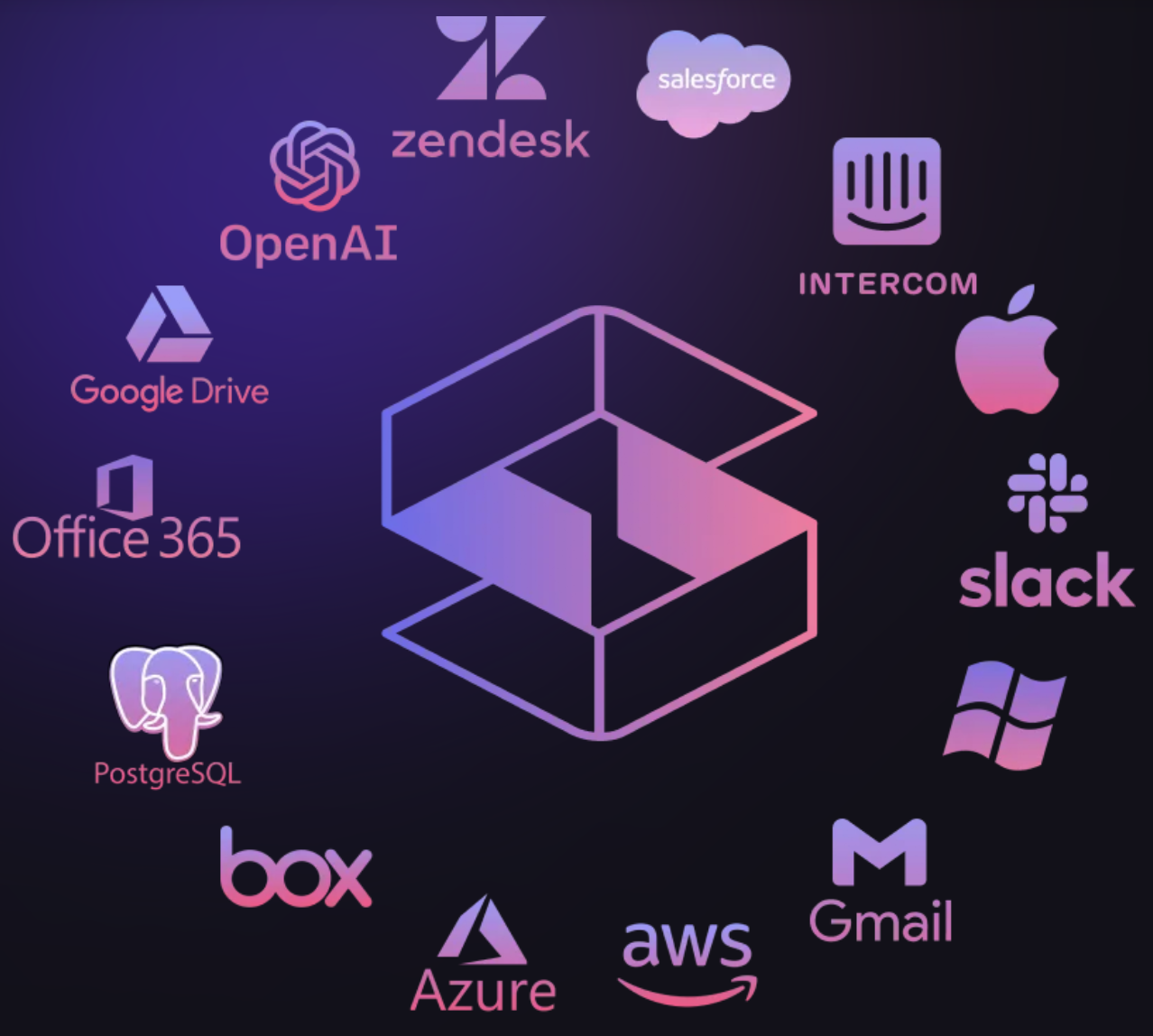
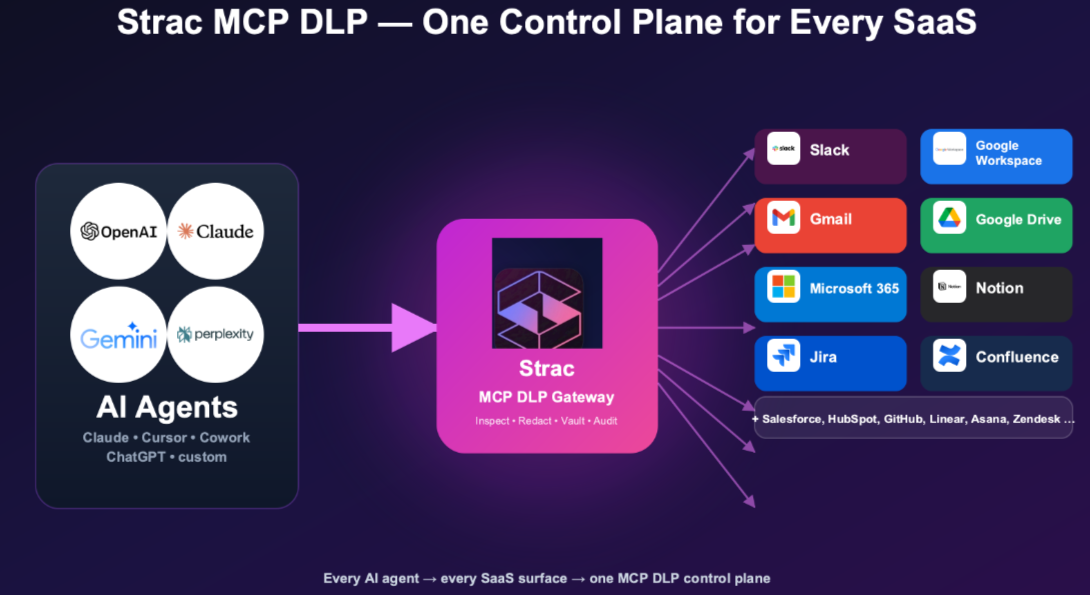
Seamless integration with existing systems and applications, including SaaS, cloud, GenAI and endpoint environments, is vital for holistic data protection. An ideal DLP solution should be able to integrate effortlessly with a business’s current infrastructure, providing comprehensive coverage without disrupting operations. This ensures that all data, regardless of where it resides, is consistently protected, and the business can maintain a unified approach to data security
By incorporating these features, an ideal DLP solution can effectively protect small businesses from data breaches, ensure compliance with relevant regulations, and maintain customer trust and confidence.
Strac is a cutting-edge SaaS, Cloud, GenAI and Endpoint DLP solution designed to address the modern data protection needs of small businesses. With its advanced features and ease of integration, Strac stands out as a comprehensive DLP solution.


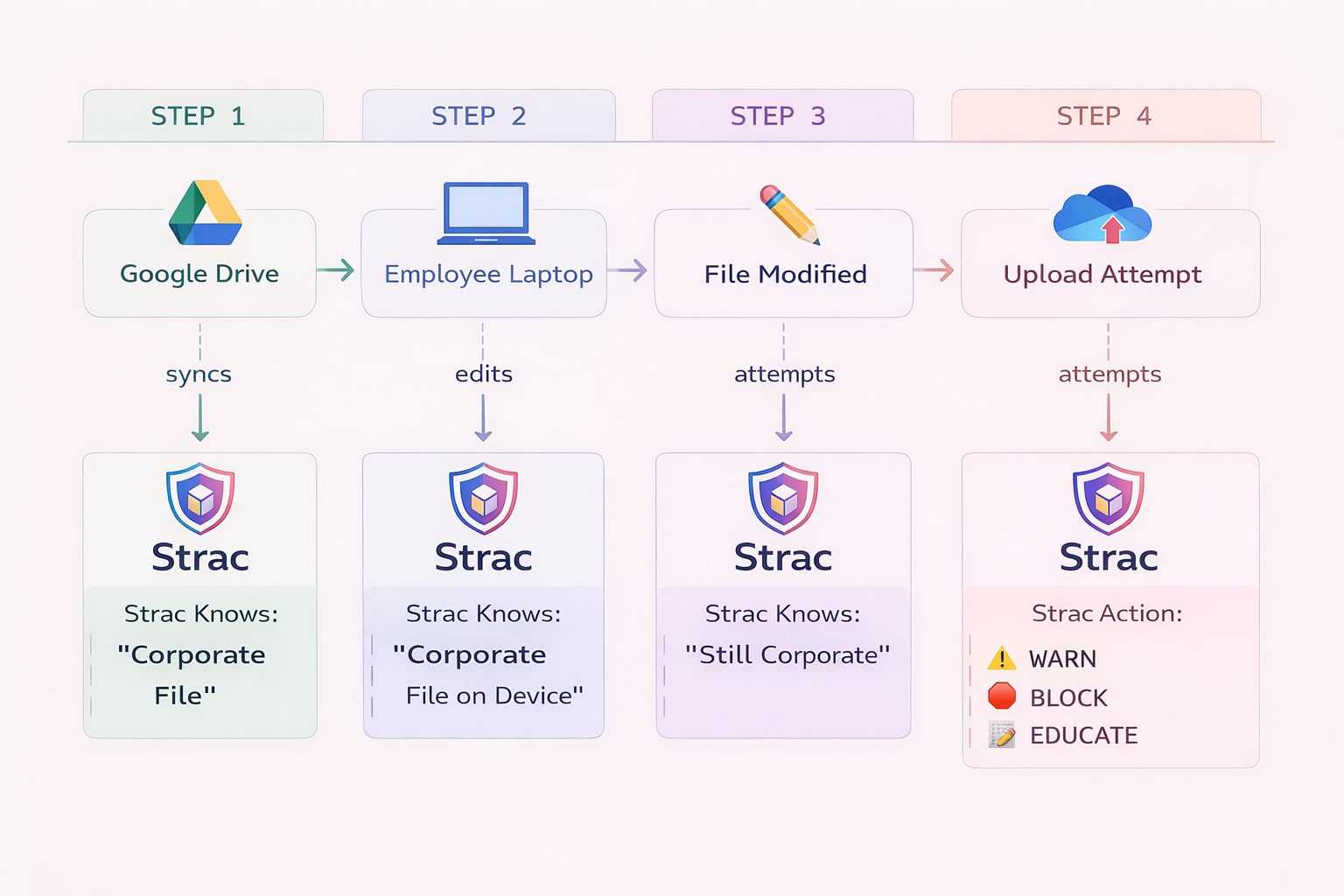
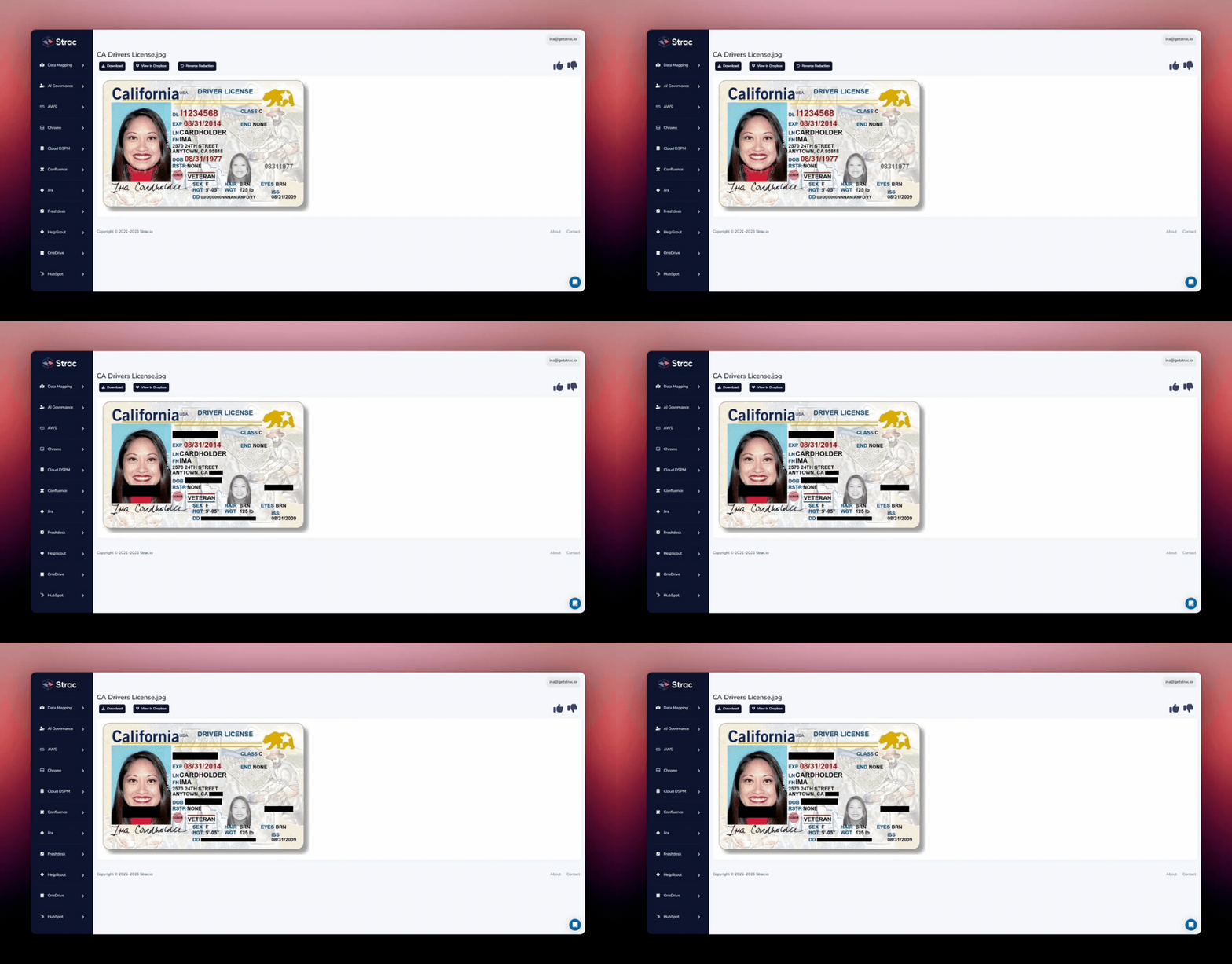
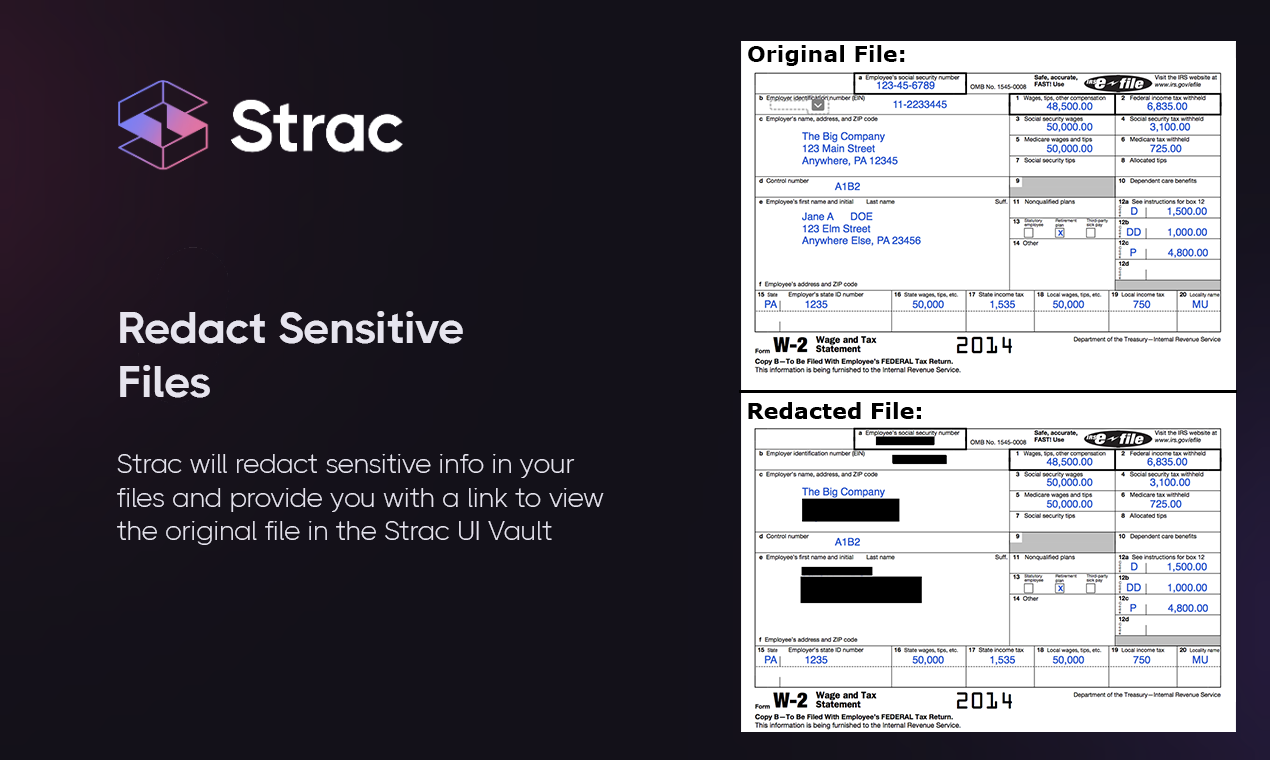

Data Loss Prevention is crucial for small businesses in today's digital age. With the right DLP solution, they can protect their sensitive data, comply with regulations, and maintain their reputation. Strac offers a robust, easy-to-integrate DLP solution that addresses all these needs, making it an ideal choice for small businesses seeking comprehensive data protection.
.png)
Related reading:
Run an MSP or MSSP? See MSP DLP — how to deliver data loss prevention as a recurring managed service.
Data loss prevention (DLP) for small businesses is software that helps detect, monitor, and prevent sensitive data; like customer PII, financial records, or payroll details; from being exposed, shared publicly, or sent to the wrong person.
Yes. Small businesses are frequent targets because attackers assume security is weaker. Most breaches aren’t sophisticated hacks; they’re simple mistakes like overshared files or misdirected emails.
Not anymore. Modern, agentless DLP solutions work directly with SaaS apps like Google Workspace, Slack, and Salesforce; without heavy infrastructure or a large IT team.
Personally identifiable information (PII), payment data (PCI), health data (PHI), employee records, contracts, invoices, and any confidential business documents.
Yes. The right DLP solution can automatically detect sensitive data and redact, block, or flag it in real time; reducing the risk of accidental exposure before it becomes a breach.
.avif)


.gif)


.webp)