August 28, 2026

7
min read
Top Data Security Vendors in 2026
The top data security companies of 2026 compared — what each specializes in (DSPM, DLP, encryption), who they fit, and how to choose between them.
Data security vendors are under pressure. Modern organizations don’t just need alerts; they need real-time protection across SaaS apps, cloud storage, endpoints, and now generative AI tools. As cyber threats grow more sophisticated and data spreads across Slack, Salesforce, Google Workspace, Snowflake, and AI workflows like ChatGPT, Claude etc; choosing the right data security vendor has become a board-level decision.
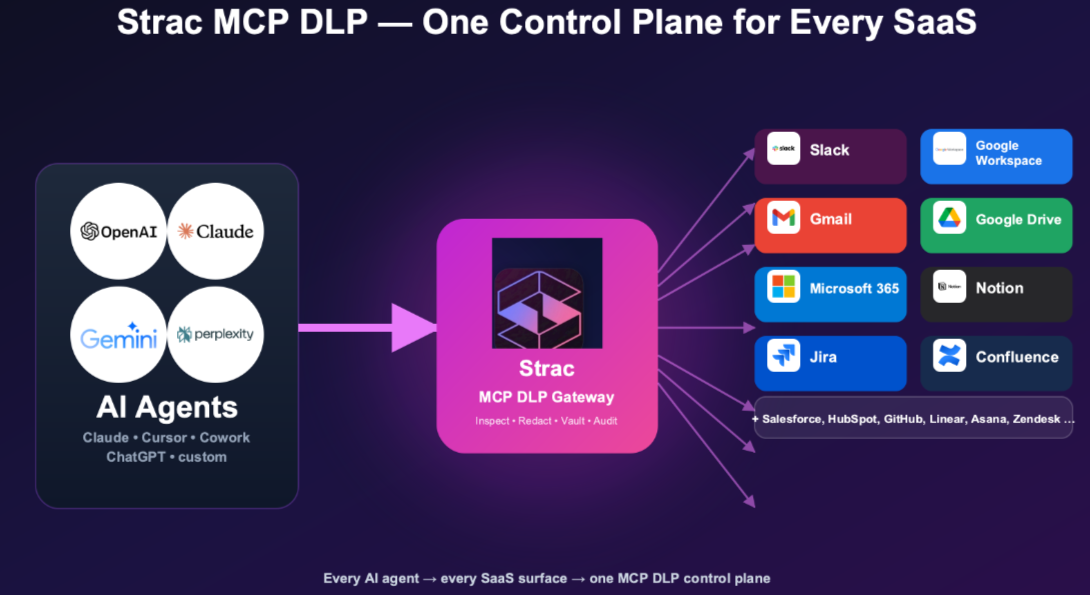
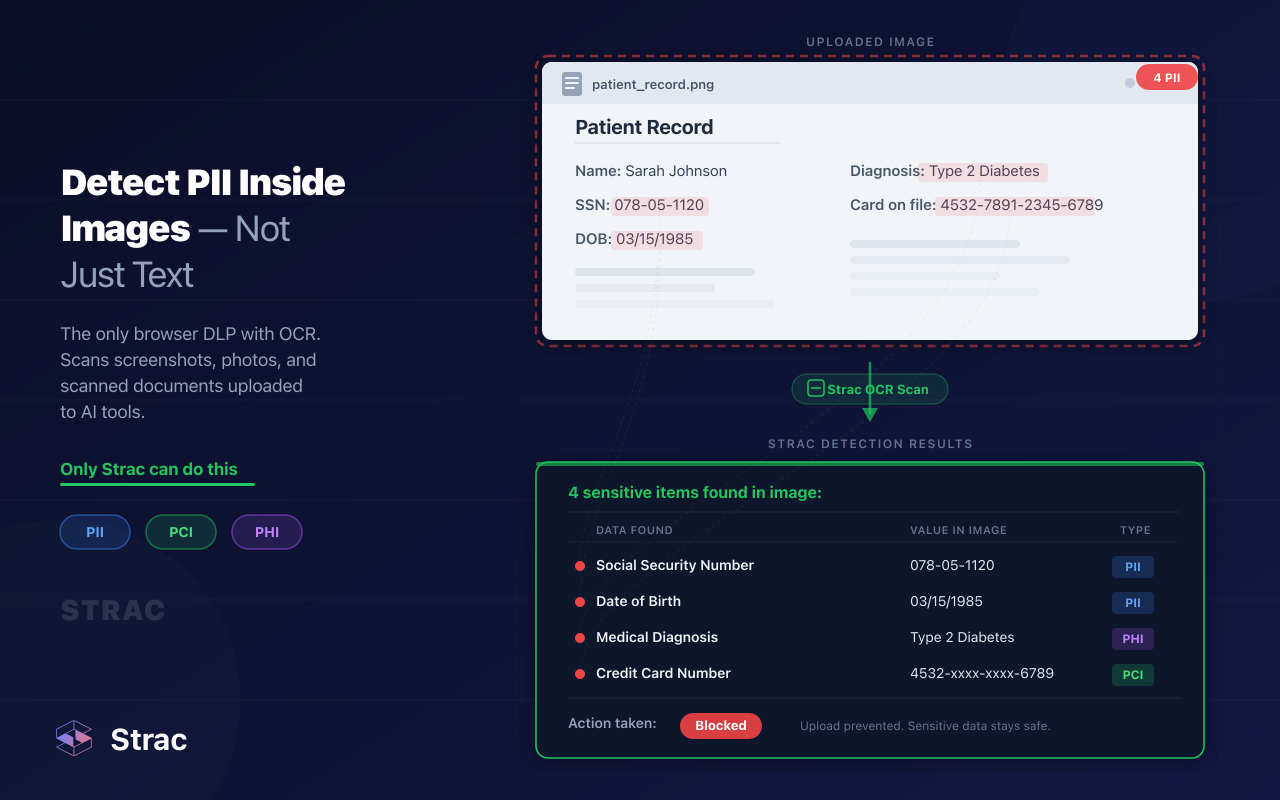
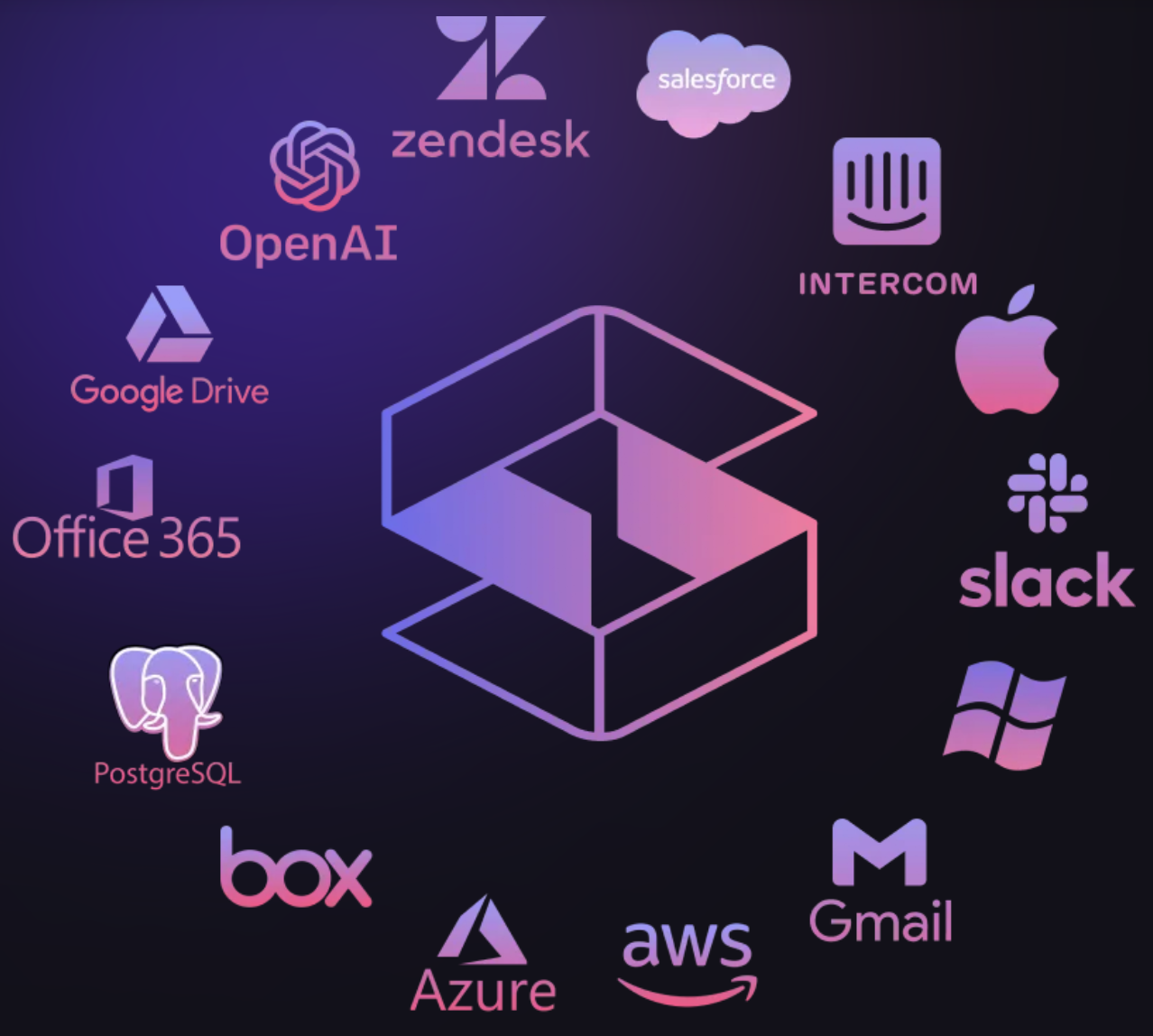
Strac is built for this new reality. Unlike legacy data security vendors that focus only on detection, Strac unifies DSPM and DLP in one agentless platform that discovers, classifies, and automatically remediates sensitive data across 40+ integrations. With ML-powered detection, inline redaction, masking, and blocking capabilities, Strac protects PII, PHI, PCI, and secrets in real time; including inside SaaS apps, APIs, and AI prompt flows.
For organizations evaluating data security vendors in 2026, the question is no longer “Who can detect risk?” It’s “Who can reduce it instantly without slowing down the business?” Strac is designed to do exactly that.
The need for data security vendors has changed. It’s not just about stopping hackers anymore; it’s about controlling how sensitive data moves across Slack, Salesforce, Google Workspace, Snowflake, and now AI tools like ChatGPT and Copilot.
Most companies already have security tools. The problem is they generate alerts, not outcomes. Sensitive data still spreads through support tickets, chat messages, file uploads, and AI prompts. Detection without remediation simply leaves risk sitting in production.
Modern data security vendors must do three things well: continuously discover where sensitive data lives, accurately classify it, and automatically remediate it in real time. That means redacting, masking, or blocking exposure; not just sending another notification.
Data moves fast. Regulations are stricter. AI adds a new layer of risk. The right data security vendor helps you control all of it without slowing your teams down.
Protection Against Threats
Data security companies implement various measures to protect against:
Comprehensive Solutions
These companies usually offer a suite of services that may include:
In today's digital landscape, where cyber threats are increasingly sophisticated and prevalent, the role of data security companies is critical. They help organizations mitigate risks by:
In the rapidly developing landscape of data security, many companies stand out for their innovative solutions and robust features. Here are the top five must-know data security companies for 2026, with Strac leading the pack.
Strac is the unified DLP + DSPM solution built for SaaS, Cloud, Browser / GenAI, and Endpoints.

Key Features:


Pros:
Cons:

Final Verdict:
Strac is an excellent choice for businesses looking to enhance their data protection strategies quickly and effectively. Its user-friendly interface & robust features make it a top contender in the data security space.

Overview:
Palo Alto Networks is a pioneer in cybersecurity solutions, offering advanced threat prevention and AI-driven analytics. Their platform integrates network security with cloud-based solutions to shield against a wide range of threats.
Key Features:
Pros:
Cons:
Final Verdict:
Palo Alto Networks is ideal for large enterprises needing robust security solutions that can adapt to evolving threats. Its comprehensive approach ensures a high level of protection across all environments.

Overview:
IBM Security Guardium offers a comprehensive suite of data protection tools, focusing on real-time monitoring and compliance automation. It is designed for organizations that require stringent oversight of their data environments.
Key Features:
Pros:
Cons:
Final Verdict:
IBM Security Guardium is well-suited for organizations with complex regulatory requirements. Its powerful monitoring capabilities make it a strong choice for enterprises looking to safeguard sensitive information.

Overview:
Microsoft Purview integrates data governance with compliance solutions across Microsoft environments. It helps organizations manage their data landscape effectively while ensuring compliance with various regulations.
Key Features:
Pros:
Cons:
Final Verdict:
Microsoft Purview is an excellent option for organizations heavily invested in the Microsoft ecosystem. Its robust governance features simplify compliance management while providing essential data protection tools.

Overview:
Veeam specializes in backup, recovery, and data management solutions. Its platform is designed to ensure business continuity by protecting critical data across various environments, including virtual, physical, and cloud infrastructures.
Key Features:
Pros:
Cons:
Final Verdict:
Veeam is an excellent choice for businesses prioritizing data availability and recovery. Its strong focus on backup solutions makes it a go-to option for ensuring business continuity in diverse IT environments.
Choosing the right DSPM vendor is not about feature lists. It is about risk reduction. Many platforms promise visibility; few actually reduce exposure in production systems. If you are evaluating DSPM vendors, focus on outcomes, not dashboards.
Here is what actually matters:
The best DSPM vendor is not the one with the longest integration list. It is the one that can find sensitive data, show you who has access, and reduce exposure immediately; across SaaS, cloud, endpoints, and AI.
In 2026, keeping your data safe is more important than ever. Data breaches are costing more money worldwide. Companies need to protect their digital stuff to keep customers happy.
Businesses should get the latest cybersecurity tools. They should also update their security plans often. This helps fight off new threats.
As cyber threats continue to evolve, Strac's commitment to maintaining data integrity and compliance positions it as an essential partner for organizations seeking to fortify their data protection strategies. Choosing Strac means opting for a solution that combines efficiency, user-friendliness, and strong compliance capabilities—making it a top contender in the data security landscape.
Related reading:
A data security company protects sensitive information wherever it lives or moves across your organization.
They identify risks, classify sensitive data, monitor how it flows, and enforce controls to prevent leaks, breaches, or misuse.
Modern leaders like Strac go further; they unify DSPM + DLP, automatically discovering, classifying, and remediating data across SaaS, cloud, GenAI, browser, and endpoints in real time.
Quick breakdown:
Strac focuses on modern data problems; not legacy environments.
Instead of agents, regex rules, or slow deployments, everything is agentless, real-time, and built for SaaS + GenAI.
What makes Strac different:
If a company stores, sends, or processes any personal, financial, health, or customer data; the answer is yes.
Even micro-leaks—Slack messages, support tickets, CSV uploads, AI prompts—count as data exposure.
Regulators don’t care where a breach originated; only that you prevent it.
You need a data security platform if you:
No; cloud providers secure their infrastructure, not your data.
The customer is always responsible for data classification, access control, sharing risk, and downstream exposure.
You still need protection for:
Cloud = secure infrastructure
Strac = secure data
A strong platform prevents both accidental and malicious exposure.
Key risks:
Most data security platforms support privacy and industry regulations by enforcing sensitive data controls.
Strac helps with:
Legacy tools take weeks or months.
Strac deploys in minutes, because it's agentless and connects directly to SaaS, cloud, and AI surfaces.
Expected setup:
Time-to-value is measured in hours, not quarters.
AI tools can unintentionally store or log prompts containing sensitive data.
A modern data security company like Strac prevents this by inspecting prompts and responses, and automatically redacting or blocking sensitive content.
Strac protects AI use by:
Yes; both accidental and intentional insider behavior is one of the biggest vectors today.
Strac helps by:
Insiders can’t leak what the system automatically redacts.
Absolutely.
Small teams often have the highest risk because they store customer data across tools but lack full-time security staff.
Strac is built specifically for:
Security is no longer a “big enterprise” requirement; it’s a survival requirement.
.avif)


.gif)


.webp)