Calendar Icon White
May 1, 2026
Clock Icon
7
 min read

Data Loss Prevention Advantages and Disadvantages

Explore Data Loss Prevention advantages and disadvantages and see how modern DLP prevents data leaks across SaaS, cloud, endpoints, and AI tools.

Data Loss Prevention Advantages and Disadvantages
ChatGPT
Perplexity
Grok
Google AI
Claude
Summarize and analyze this article with:

TL;DR

  • Data Loss Prevention (DLP) is crucial for safeguarding sensitive data and ensuring compliance with regulations.
  • DLP solutions like email, endpoint, and cloud DLP address risks such as accidental data leakage and insider threats.
  • Advantages of DLP include comprehensive coverage, accurate detection, granular policies, and real-time monitoring.
  • Disadvantages of DLP include complex implementation, false positives, user privacy concerns, maintenance costs, and upfront expenses.
  • Strac is a comprehensive DLP solution with features like built-in detectors, compliance support, ease of integration, accurate detection, and extensive SaaS integrations.

Data Loss Prevention (DLP) is a critical technology in the modern digital landscape, ensuring that sensitive data remains secure and compliant with various regulations. This article delves into the advantages and disadvantages of Data Loss Prevention, exploring its significance, benefits, potential drawbacks, and what constitutes an ideal DLP solution.

✨What is Data Loss Prevention?

Data Loss Prevention (DLP) refers to a set of tools and processes used to ensure that sensitive data is not lost, misused, or accessed by unauthorized users. DLP software classifies regulated, confidential, and business-critical data and identifies violations of policies defined by organizations or within a preconfigured policy pack.
Examples of Data Loss Prevention:

  • Email DLP Solutions: These monitor and control the data that employees send via email, ensuring that sensitive information does not leave the organization's network without authorization.
  • Endpoint DLP Solutions: These protect data on devices such as laptops, desktops, and mobile devices, preventing unauthorized access or transfer of sensitive information.
  • Cloud DLP Solutions: These focus on data stored in cloud environments, ensuring that sensitive data remains secure and compliant with regulations like GDPR and HIPAA.
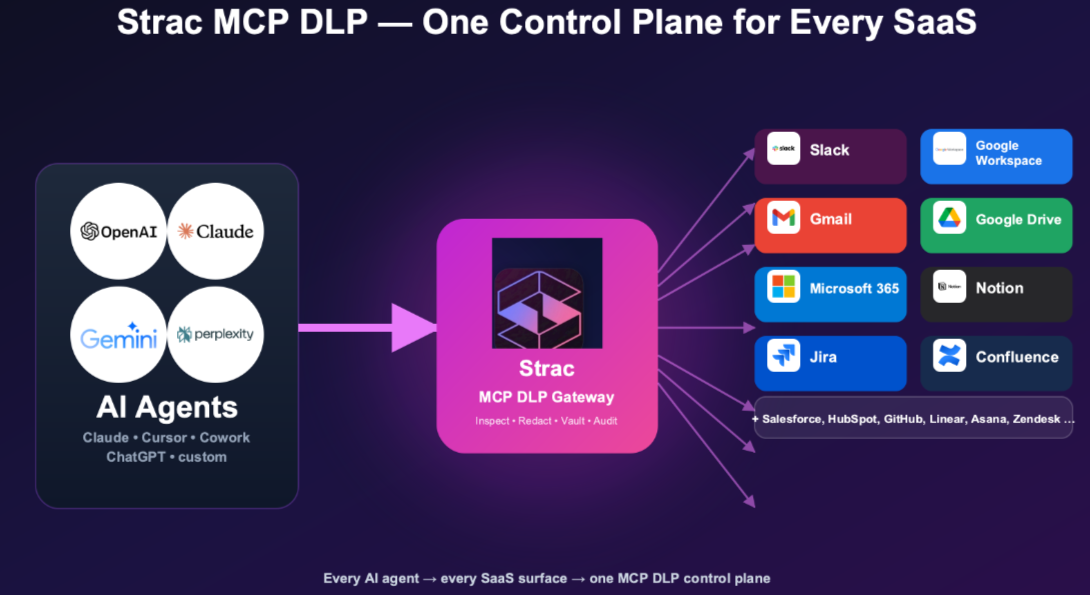
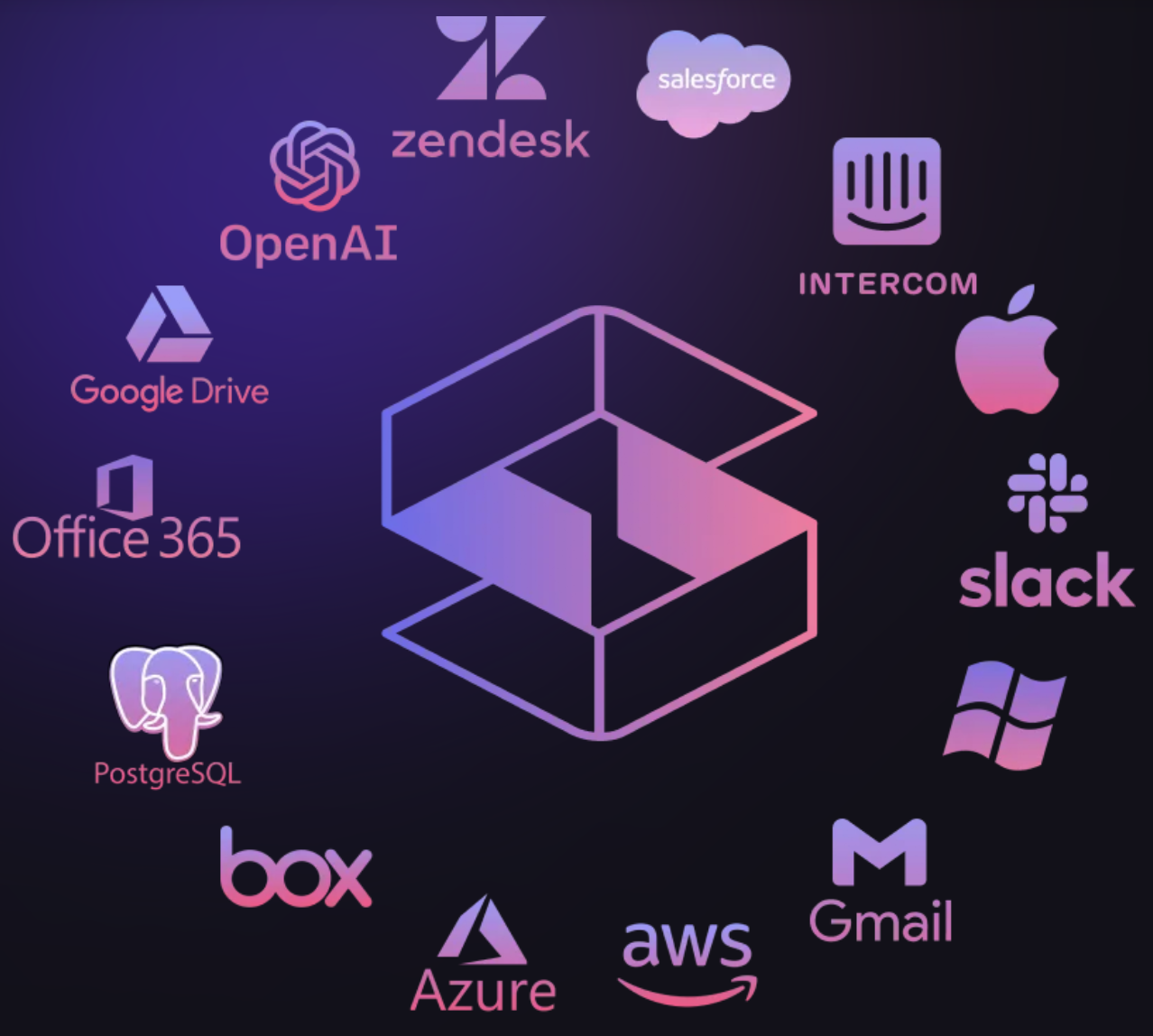
  • Saas DLP Soltution: These protect sensitive data across SaaS applications like Slack, Google Workspace, Salesforce, and Zendesk by monitoring messages, files, and workflows; they ensure that sensitive data is detected and automatically redacted, masked, or blocked in real time before it spreads across tools.
  • GenAI DLP Solutions: These secure interactions with AI tools like ChatGPT, Copilot, and other LLMs by detecting and preventing sensitive data (PII, PHI, PCI, secrets) from being shared in prompts or outputs, often using real-time redaction, blocking, or pseudonymization to eliminate data leakage risks in AI workflows.

What are the Risks or Problems that Data Loss Prevention Solves?

DLP addresses several key risks and problems associated with data security. Here are a few examples:

Examples of Risks Solved by Data Loss Prevention:

  1. Accidental Data Leakage: Employees may unintentionally send sensitive information to the wrong recipients or store it in insecure locations. DLP prevents such accidental leaks by monitoring and controlling data transfers.
  2. Malicious Insider Threats: Disgruntled employees or those with malicious intent can pose significant risks to data security. DLP helps detect and prevent unauthorized data access and transfer by monitoring user activities.
  3. Compliance Violations: Organizations must comply with various regulations like GDPR, HIPAA, and PCI-DSS. DLP ensures compliance by protecting sensitive data and providing audit trails and reports for regulatory requirements.

✨ Data Loss Prevention Advantages and Disadvantages

Understanding Data Loss Prevention advantages and disadvantages is critical for organizations evaluating how to protect sensitive data across modern environments. While DLP offers strong security, compliance, and visibility benefits, traditional approaches have also introduced challenges like complexity and noise; making it essential to assess both sides before choosing the right solution.

🎥Strac: A Comprehensive Data Loss Prevention Solution

Strac is the unified DLP + DSPM solution built for SaaS, Cloud, Browser / GenAI, and Endpoints.
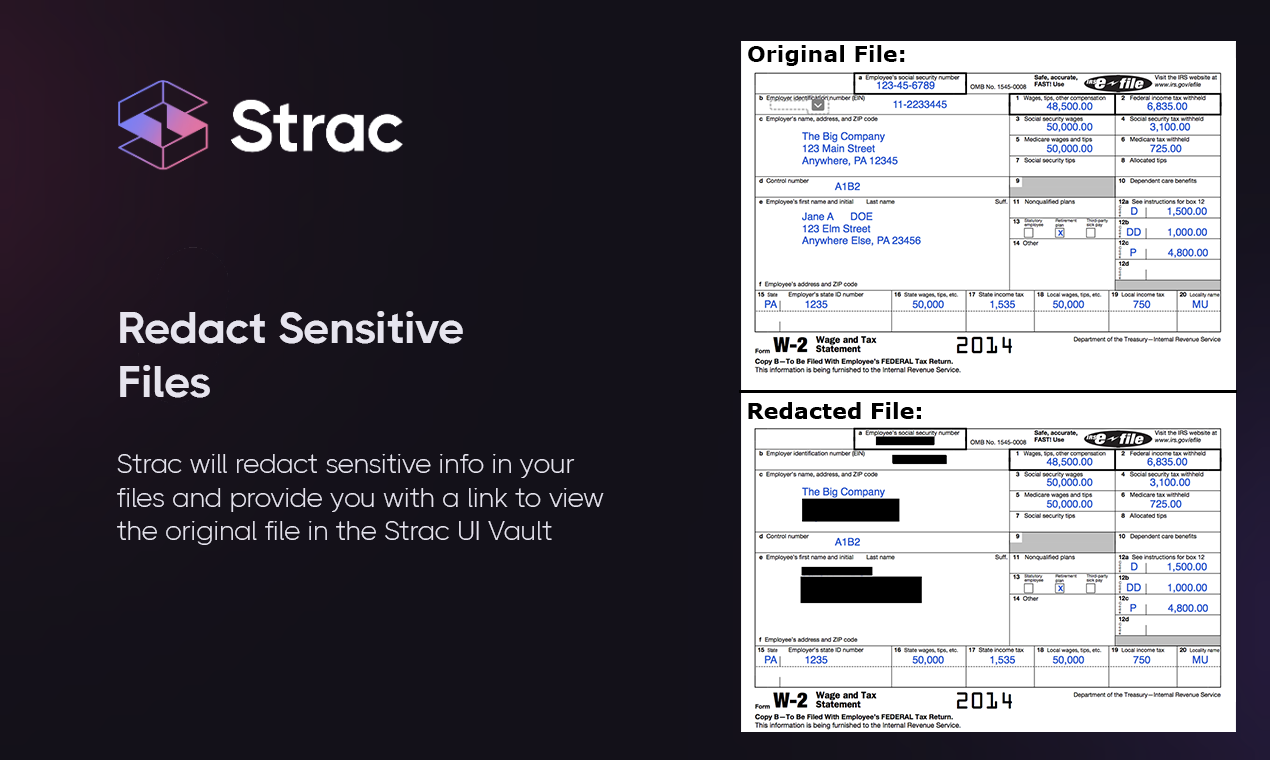
Key Features of Strac:

  • Accurate Detection and Redaction: Strac's custom machine learning models trained on sensitive PII, PHI, PCI, and confidential data provide high accuracy and low false positives and false negatives.
  • Ease of Integration: Customers can integrate with Strac in under 10 minutes, enabling instant DLP/live scanning/live redaction on their SaaS apps.
  • Accurate Detection and Redaction: Strac's custom machine learning models provide high accuracy with minimal false positives and negatives, ensuring effective protection of sensitive data.
  • AI Integration: Strac integrates with AI tools like ChatGPT, Claude, Gemini, and Microsoft Copilot, safeguarding sensitive data in AI applications. Check out how they are used to protect AI apps.
Strac GenAI DLP
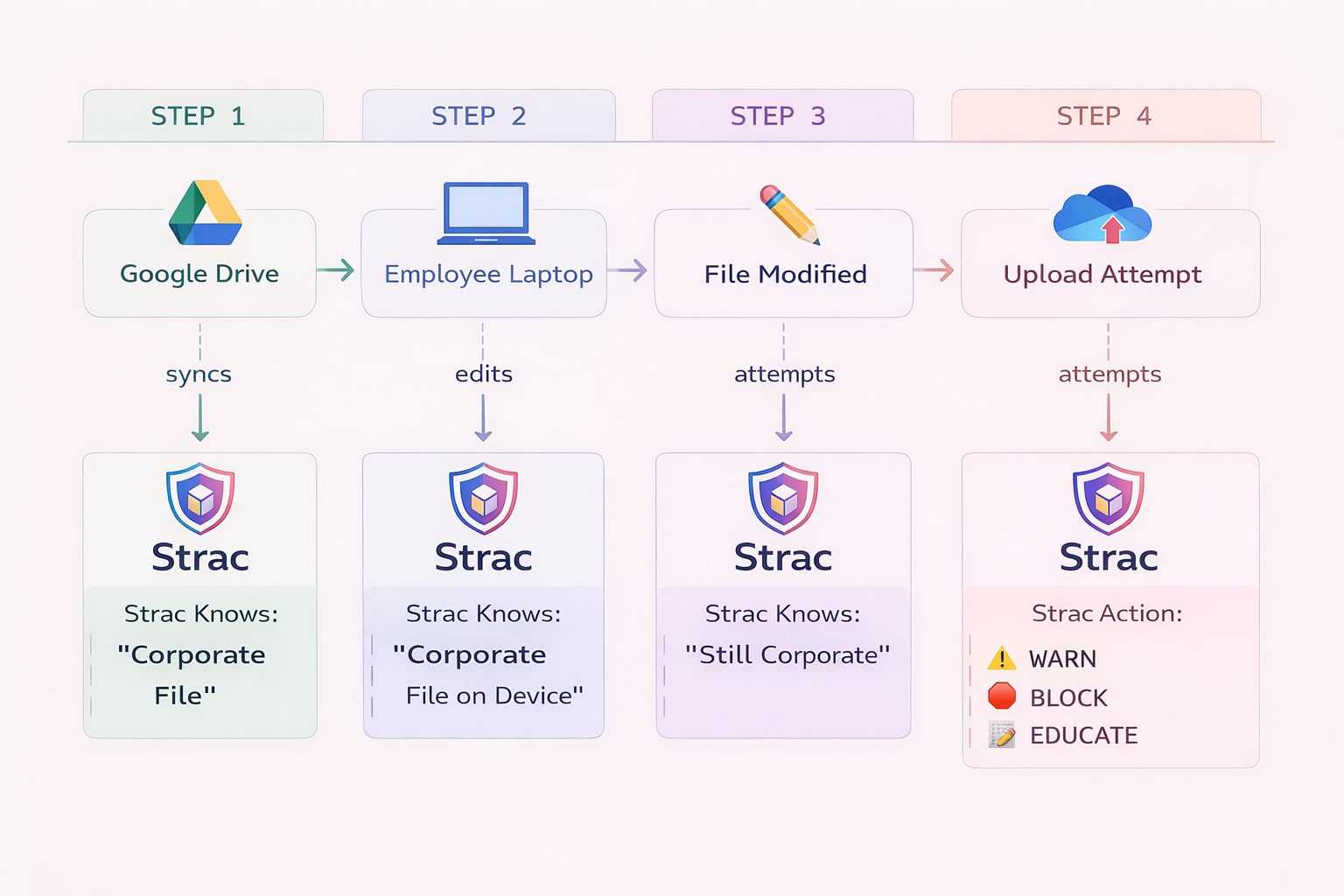
Strac Endpoint Data Lineage
  • API Support: Strac offers APIs for developers to detect or redact sensitive data. Access Strac API Docs.
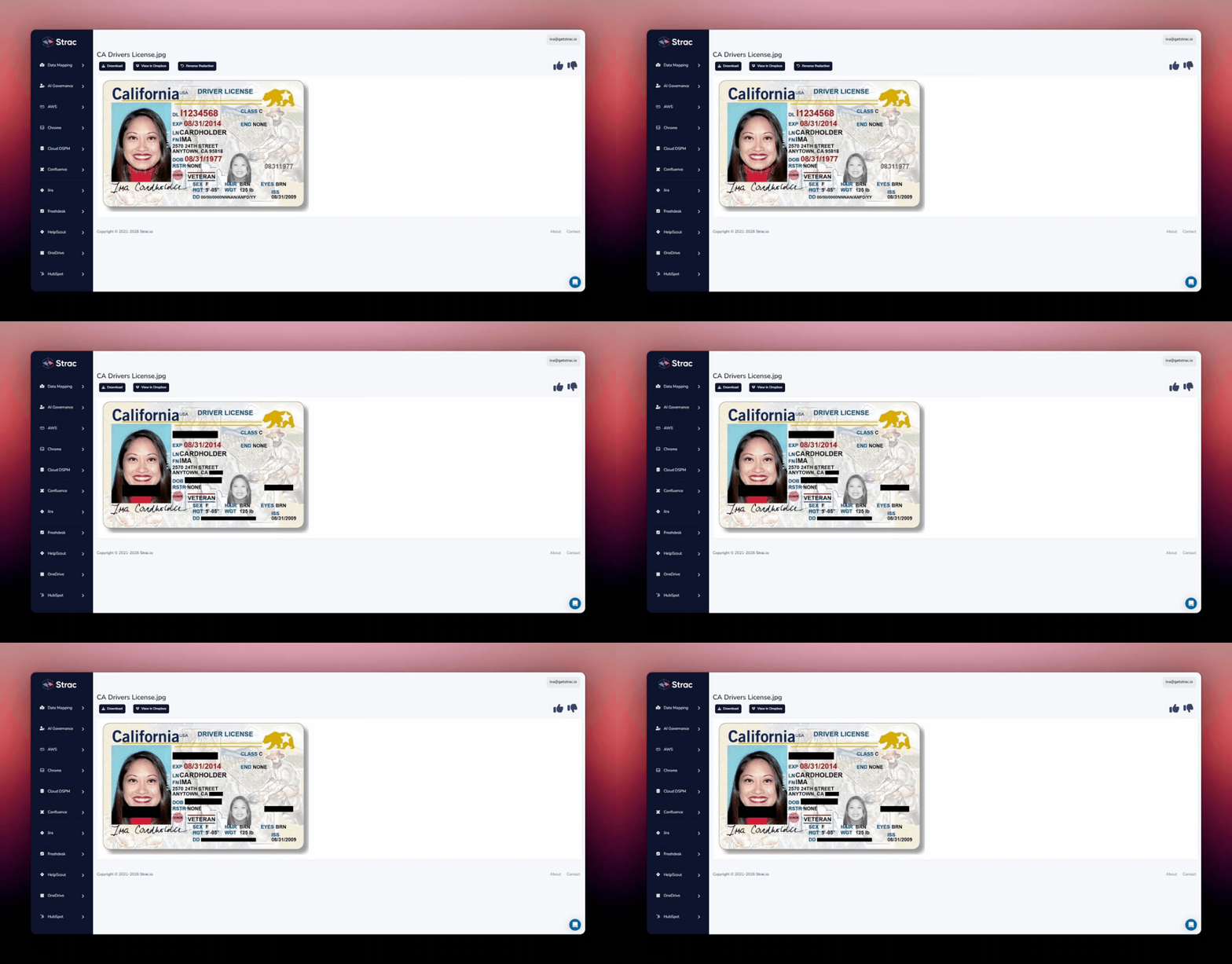
  • Inline Redaction: Strac can redact sensitive text within any attachment, ensuring data remains protected even in shared documents.
  • Customizable Configurations: Strac provides out-of-the-box compliance templates and flexible configurations to meet specific business needs, ensuring tailored data protection measures.
  • Happy Customers: Strac is highly rated by its users.
Strac

               Strac's G2 Review

Conclusion

Data Loss Prevention is no longer just about monitoring data; it’s about actively preventing, reducing, and remediating risk in real time. While traditional DLP solutions highlight both advantages and disadvantages, the reality is that modern organizations cannot afford delayed detection, high false positives, or fragmented coverage across tools.

Today’s data environment spans SaaS apps, cloud storage, endpoints, and even generative AI workflows. That’s why modern DLP platforms like Strac go beyond legacy approaches by combining data discovery, classification, and inline remediation (redaction, masking, blocking) into a single, unified system. This shift eliminates the biggest historical drawbacks of DLP; complexity, noise, and lack of actionability.

With agentless deployment, real-time redaction, and coverage across SaaS, APIs, cloud, and GenAI environments, Strac enables organizations to secure sensitive data where it actually lives and moves; not just where it’s stored.

The bottom line: the advantages of DLP today far outweigh the disadvantages; if you choose a solution built for how data flows in 2026, not 2016.

🌶️ Spicy FAQs: Data Loss Prevention Advantages

1. What are the main advantages of Data Loss Prevention (DLP) solutions today?

Modern Data Loss Prevention advantages include real-time protection, automated remediation, and visibility across SaaS, cloud, and endpoints. Unlike legacy systems, today’s DLP tools don’t just detect risks; they actively redact, block, or secure sensitive data instantly, reducing exposure and compliance risk.

2. Why do traditional DLP solutions fail despite their advantages?

While traditional DLP advantages include monitoring and policy enforcement, many fail due to high false positives, slow deployment, and lack of real-time action. Without inline remediation, teams are left with alerts instead of solutions; creating operational bottlenecks and missed risks.

3. How does modern DLP improve on the disadvantages of legacy systems?

Modern DLP platforms eliminate key disadvantages by using ML-powered detection, OCR scanning, and automated remediation. This reduces noise, improves accuracy, and ensures sensitive data is protected across emails, chats, files, and even AI tools without manual intervention.

4. What industries benefit the most from DLP advantages?

Industries handling sensitive data; such as healthcare (PHI), fintech (PCI/PII), SaaS, and e-commerce; benefit the most. These sectors rely on DLP to meet regulations like GDPR, HIPAA, and PCI DSS while preventing costly breaches and reputational damage.

5. How do DLP advantages apply to AI and tools like ChatGPT?

With the rise of generative AI, DLP advantages now extend to protecting prompts and responses. Modern solutions can detect and redact sensitive data before it reaches AI models, preventing accidental data leakage into external systems; a critical capability for 2026 and beyond.

Discover & Protect Data on SaaS, Cloud, Generative AI
Strac provides end-to-end data loss prevention for all SaaS and Cloud apps. Integrate in under 10 minutes and experience the benefits of live DLP scanning, live redaction, and a fortified SaaS environment.
Users Most Likely To Recommend 2024 BadgeG2 High Performer America 2024 BadgeBest Relationship 2024 BadgeEasiest to Use 2024 Badge
Trusted by enterprises
Discover & Remediate PII, PCI, PHI, Sensitive Data

Latest articles

Browse all

Get Your Datasheet

Thank you! Your submission has been received!
Oops! Something went wrong while submitting the form.
Close Icon