August 10, 2026

6
min read
Data Loss Prevention Regulations: From HIPPA to GDPR
.webp)
Data protection laws create a multifaceted set of compliance requirements for organizations to navigate. Adhere to regulations like PCI DSS and HIPAA effectively with layered data security measures.
TL;DR
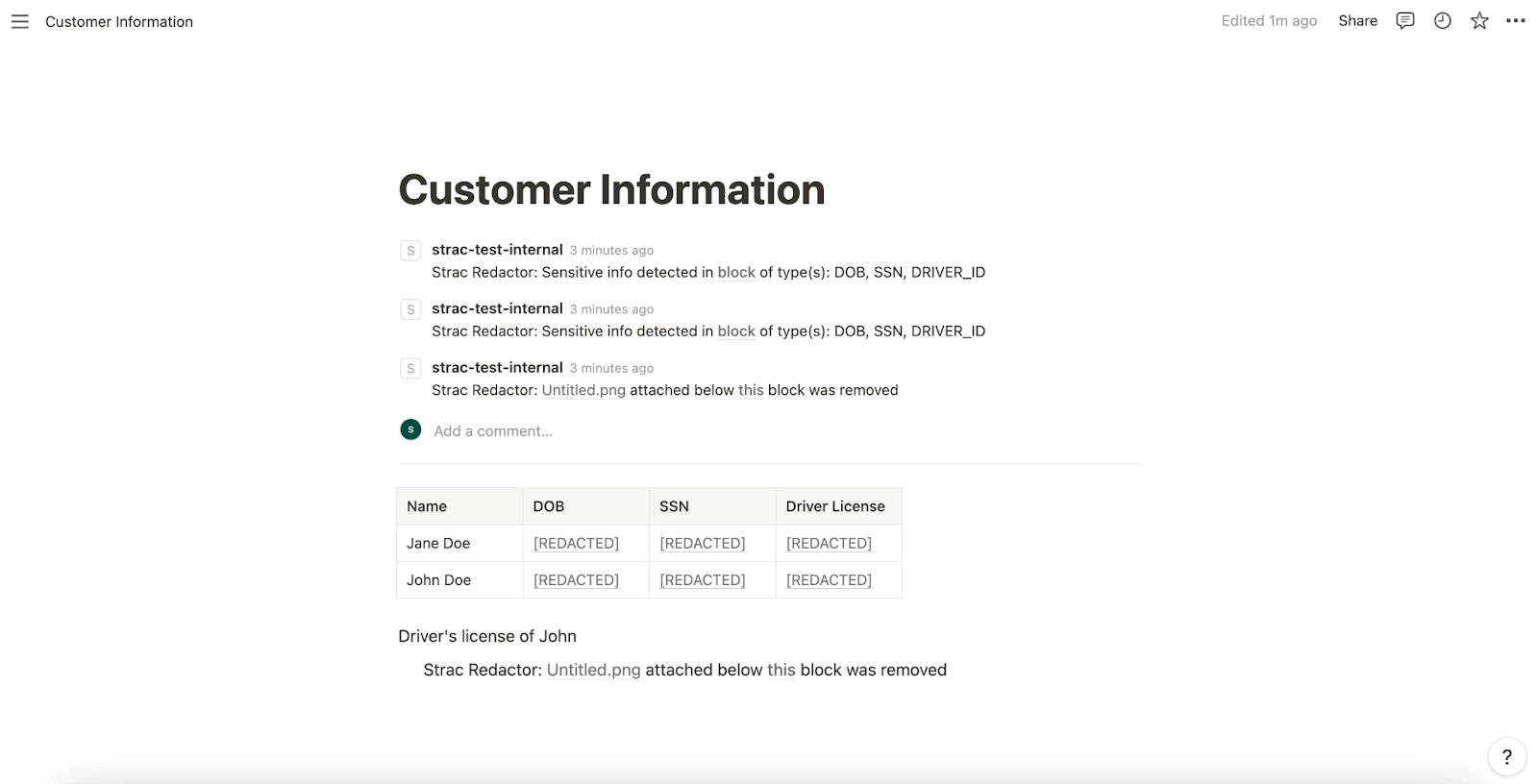
In today's data-driven world, information is a valuable asset but also a liability if not properly secured. As organizations capture and analyze ever-growing volumes of data, protecting sensitive information is an escalating challenge. This is where data loss prevention (DLP) regulations come into play.
DLP regulations form a complex set of legal frameworks to uphold data privacy rights and prevent unauthorized data access. They establish mandatory guidelines for how organizations must handle and protect confidential data.
This intricate regulatory landscape emerged in response to surging data breaches and privacy concerns. DLP regulations hold organizations accountable for securing the sensitive data entrusted to them.
Navigating this multifaceted web of compliance requirements is far from simple. The DLP compliance landscape encompasses numerous laws spanning industries and regions. Non-compliance brings severe fines and lasting reputational damage.
Let's explore major DLP regulations and pragmatic strategies to adhere to them.
While hundreds of laws now influence data security, several major regulations stand out:
The Payment Card Industry Data Security Standard (PCI DSS) is a set of security requirements governing credit card data. Established by the PCI Security Standards Council, it provides technical and operational requirements for any entity handling cardholder information.
Core PCI DSS requirements obligate organizations to build secure network infrastructure, encrypt data, implement access controls, monitor networks, and more.
For merchants and processors, adhering to PCI DSS is mandatory. Non-compliance can lead to substantial fines and the loss of card processing abilities. PCI DSS aims to safeguard payment data from compromise.
The Health Insurance Portability and Accountability Act (HIPAA) governs the privacy and security of patient health data in the United States. It mandates healthcare organizations implement safeguards for Protected Health Information (PHI) including medical records, lab reports, and insurance details.
HIPAA non-compliance penalties can reach $1.5 million annually. Additionally, HIPAA violations erode patient trust - a priceless healthcare institution asset.
The European Union's (EU) General Data Protection Regulation (GDPR) established stringent data protection and privacy standards for EU citizen data. It also profoundly impacts how global organizations approach data security.
GDPR levies requirements around lawful data processing, storage limits, confidentiality, and data access rights. Non-compliance fines can reach 4% of global revenue.
Since taking effect in 2018, GDPR cemented its status as a far-reaching data privacy regulation that multinational organizations must address.
The California Consumer Privacy Act (CCPA) grants robust new data privacy rights to California residents. As the first US state law of its kind, CCPA imposes major regulatory requirements on organizations.
The CCPA arms California consumers with rights like data access, deletion, and opting-out of sales. It also allows consumers to sue non-compliant companies.
As CCPA enforcement expands, organizations must address this emerging regulation or face substantial per-violation fines.
This overview of key regulations underscores why data security is an urgent priority. The expanding regulatory landscape makes it challenging for companies to remain compliant. A proactive strategy is essential.
Constructing an effective regulatory compliance strategy requires a multilayered approach spanning people, processes and technology:
People: Employees must be educated on compliance needs and proper data handling through comprehensive security training. People executing defined policies provide a critical compliance safeguard.
Processes: Documented data compliance processes enable consistency in how employees handle sensitive data. Policies provide important guardrails.
Technology: Data security technology furnishes visibility into information and automated controls to prevent loss. DLP solutions offer broad coverage across endpoints, networks and cloud apps.
With robust measures across people, processes and technology, organizations can address diverse compliance requirements in a streamlined fashion. Next let's explore how advanced DLP systems facilitate adherence.

Strac's SaaS/Cloud DLP and Endpoint DLP solution is designed to help organizations navigate the complex landscape of data loss prevention regulations. Our platform offers built-in and custom detectors supporting all sensitive data elements for PCI, HIPAA, GDPR, and any confidential data, ensuring comprehensive coverage of various regulatory requirements. Strac uniquely provides detection and redaction capabilities for images and deep content inspection for various document formats. Explore Strac's full catalog of sensitive data elements to see how it addresses diverse DLP regulations.
Strac DLP helps achieve standards for PCI, SOC 2, HIPAA, ISO-27001, CCPA, GDPR, and NIST frameworks, covering major DLP regulations. With easy integration, customers can implement Strac and see live scanning and redaction on their SaaS apps in under 10 minutes, rapidly enhancing their regulatory compliance posture.
Strac's machine learning models ensure accurate detection and redaction of sensitive PII, PHI, PCI, and confidential data, addressing the nuanced requirements of various DLP regulations. The solution offers extensive SaaS integrations, including AI integration with LLM APIs and AI websites, providing comprehensive coverage for diverse regulatory landscapes.
For holistic regulatory compliance, Strac provides Endpoint DLP that works across SaaS, Cloud, and Endpoint environments. Developers can leverage Strac's API support for custom implementations tailored to specific regulations, while inline redaction capabilities ensure sensitive text is masked or blurred within attachments, meeting stringent regulatory standards.
Strac's customizable configurations and out-of-the-box compliance templates allow for flexible, tailored data protection measures that can adapt to your organization's specific regulatory requirements across various DLP regulations.
Ready to navigate the complex landscape of DLP regulations with confidence? Book a demo with Strac to see how our comprehensive solution can help you meet diverse regulatory requirements. Join our satisfied customers who trust Strac for navigating their DLP regulatory challenges.
.avif)


.gif)