Discover comprehensive data loss prevention policies and procedures with practical examples and documents. Explore Strac's advanced DLP solutions for effective compliance and data protection.
A data loss prevention (DLP) policy is a written control that defines what sensitive data your organization protects, who can access it, how it is detected, and what happens on violation. This guide includes a complete DLP policy example you can copy.
Examples of DLP policies include encryption, access control, and data retention.
Effective DLP policies include data classification, access controls, encryption requirements, incident response, and employee training.
Implementing robust DLP policies helps mitigate risks such as data breaches, compliance violations, and insider threats.
Strac offers advanced DLP solutions with features like built-in detectors, compliance frameworks, ease of integration, accurate detection, and endpoint coverage
Most teams don't need another explanation of what DLP is. They need a data loss prevention policy example they can copy, edit, and put in front of an auditor by Friday.
So this post starts with the examples. You'll see DLP policy examples written as real rules credit card numbers blocked in Slack, source code redacted before it reaches a generative AI prompt, customer exports quarantined on the endpoint plus a sample data loss prevention policy structure you can lift, a DLP policy template outline, and the difference between a DLP policy document and the policy and procedures that make it enforceable.
The rules are the easy half. The hard half is enforcement: a policy nobody can apply automatically is a PDF, not a control. Every example below names the action it triggers redact, block, warn and coach, or revoke access across SaaS, endpoint DLP, the browser, and AI DLP.
✨ What is a Data Loss Prevention Policy?
A data loss prevention (DLP) policy is a set of guidelines and procedures designed to prevent the unauthorized transmission, sharing, or exposure of sensitive information. These policies are critical for maintaining the confidentiality, integrity, and availability of data assets within an organization.
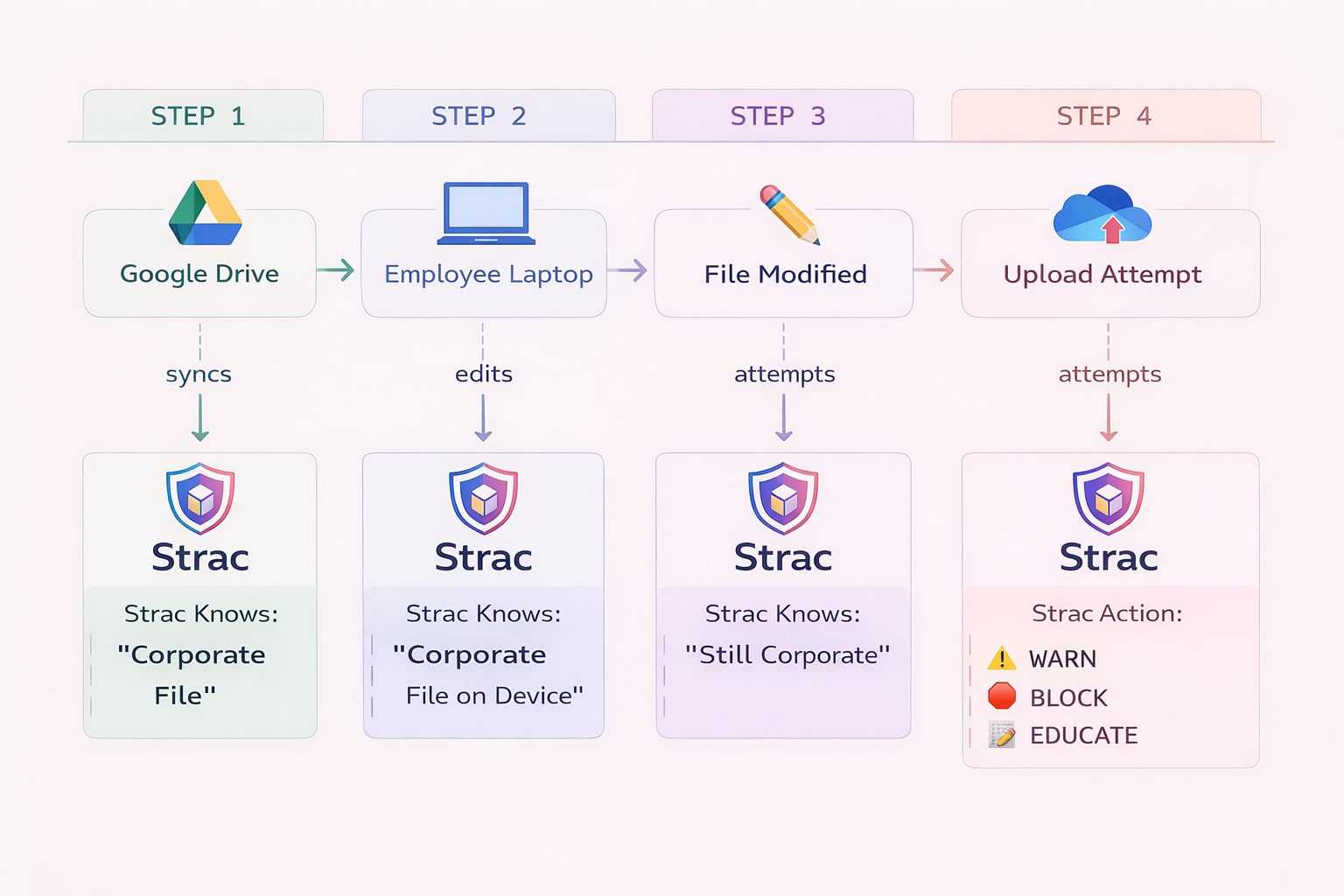
Strac's Data Loss Prevention Policy
Examples of DLP Policies:
Encryption Policies: Require sensitive data to be encrypted both at rest (stored data) and in transit (data being transmitted over networks). Encryption ensures that even if data is intercepted or accessed without authorization, it cannot be read or understood without the decryption key.
Access Control Policies: Define who within the organization has access to sensitive data. This includes implementing role-based access controls (RBAC), where permissions are granted based on the individual's role or level of responsibility.
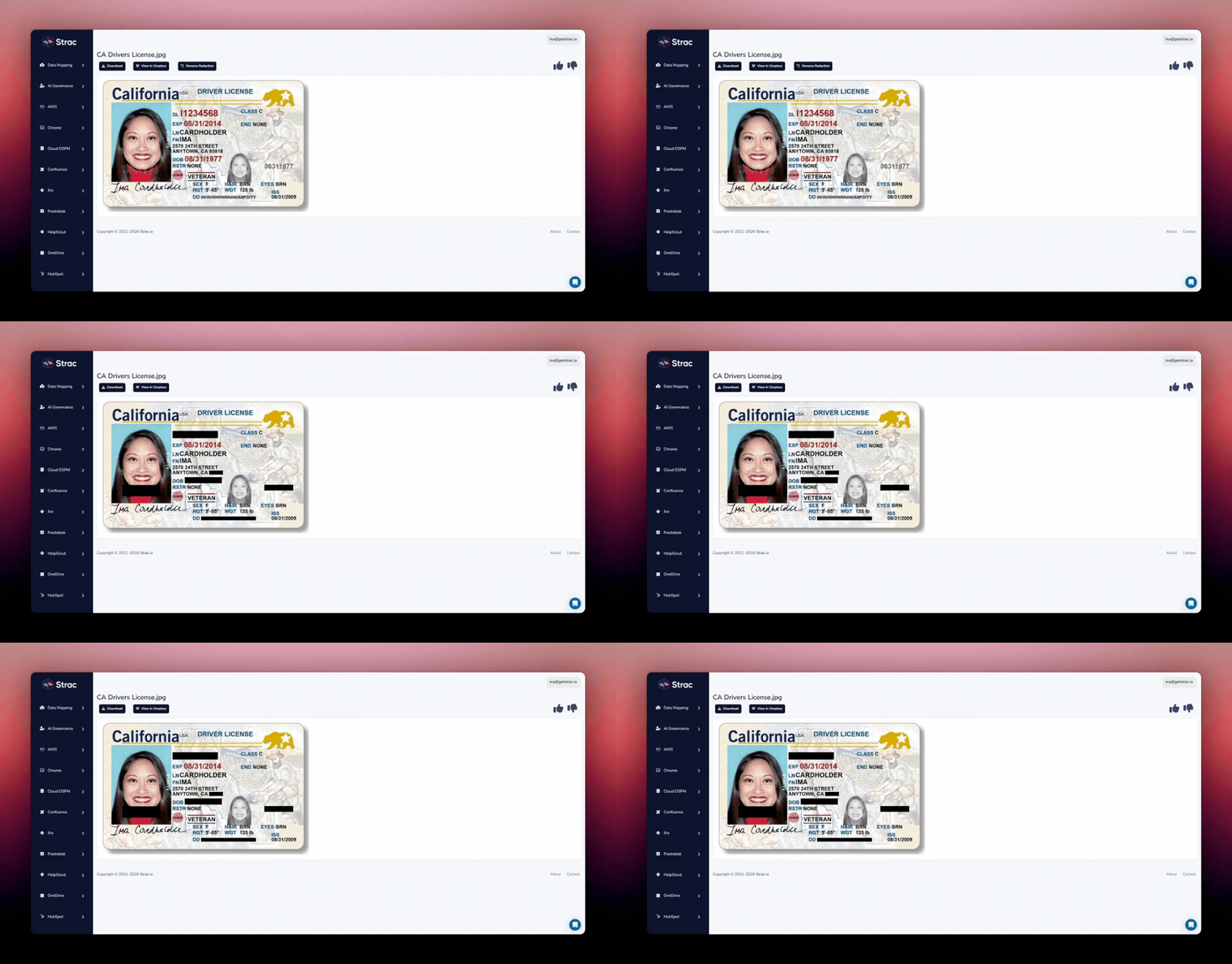
Strac Redactor
Data Retention Policies: Specify how long different types of data should be retained and the methods for securely disposing of data when it is no longer needed. This helps reduce the risk of data breaches caused by retaining unnecessary data.
Data Loss Prevention Policy and Procedures
Effective data loss prevention (DLP) policies and procedures are essential for organizations to protect sensitive information from unauthorized access, leakage, or loss. These policies outline the guidelines and actions necessary to ensure data security and compliance with regulatory requirements.
Importance of Data Loss Prevention Policy and Procedures
Implementing robust DLP policies and procedures helps organizations mitigate the risks associated with data breaches and compliance violations. By defining clear protocols for data handling, access control, encryption, and incident response, businesses can proactively safeguard their data assets.
Components of Data Loss Prevention Policy and Procedures
Data Classification: Categorize data based on sensitivity levels (e.g., public, internal, confidential) to determine appropriate protection measures.
Access Controls: Implement role-based access controls (RBAC) to restrict data access based on job roles and responsibilities.
Encryption Requirements: Specify encryption standards for data at rest and in transit to prevent unauthorized access.
Incident Response: Outline procedures for detecting, responding to, and recovering from data security incidents.
Employee Training: Provide ongoing training to employees on data security best practices and the importance of compliance with DLP policies.
✨ Data Loss Prevention Policy Document
A data loss prevention (DLP) policy document formalizes the organization's approach to protecting sensitive data. It outlines the specific measures, responsibilities, and procedures employees must follow to ensure data security and regulatory compliance.
Key Elements of a Data Loss Prevention Policy Document
Policy Statement: Define the organization's commitment to data security and the importance of protecting sensitive information.
Scope and Applicability: Specify which types of data and systems are covered by the DLP policy and who within the organization must adhere to it.
Data Handling Procedures: Detail procedures for data classification, storage, transmission, and disposal in accordance with regulatory requirements.
Security Controls: Describe technical controls (e.g., encryption, access controls) and operational controls (e.g., monitoring, auditing) implemented to protect data.
Compliance Requirements: Ensure alignment with relevant data protection laws, industry standards, and regulatory frameworks (e.g., GDPR, HIPAA, PCI-DSS).
Training and Awareness: Outline requirements for employee training and awareness programs to promote adherence to DLP policies and procedures.
Risks Addressed by DLP Policies
Implementing robust DLP policies helps mitigate several risks that organizations face concerning data security and compliance.
Examples of Risks Mitigated by DLP Policies:
Data Breaches: Unauthorized access to sensitive data can lead to data breaches, which can result in financial losses, damage to reputation, and legal consequences.
Compliance Violations: Failure to comply with regulatory requirements such as GDPR (General Data Protection Regulation), HIPAA (Health Insurance Portability and Accountability Act), PCI-DSS (Payment Card Industry Data Security Standard), and others can result in significant fines and penalties.
Insider Threats: Employees or insiders may inadvertently or maliciously expose sensitive data, posing a threat to data security and integrity.
Components of an Ideal DLP Solution
A comprehensive DLP solution incorporates advanced technologies and methodologies to effectively protect sensitive data across various platforms and environments.
Essential Components of an Ideal DLP Solution:
Advanced Detection and Classification: Utilizes machine learning algorithms and deep content inspection to accurately identify and classify sensitive data elements such as Personally Identifiable Information (PII), financial data, intellectual property, and more.
Real-Time Monitoring and Incident Response: This feature monitors data activities in real time and alerts administrators to potential data breaches or policy violations. Automated incident response capabilities help mitigate risks promptly.
Policy Enforcement Across Endpoints and Networks: Ensures consistent application of DLP policies across endpoints (devices) and network environments, regardless of the location from which data is accessed or transmitted.
Integration with Existing IT Infrastructure: Seamless integration with existing IT systems, including SaaS applications, cloud platforms, and on-premises infrastructure, to facilitate centralized management and visibility.
User Education and Awareness: Through training programs and policies, we promote data security awareness among employees, reducing the likelihood of inadvertent data breaches.
✨ Strac: Advanced DLP Solutions
Among the leading providers of DLP solutions, Strac stands out for its comprehensive features and capabilities designed to address modern data security challenges.
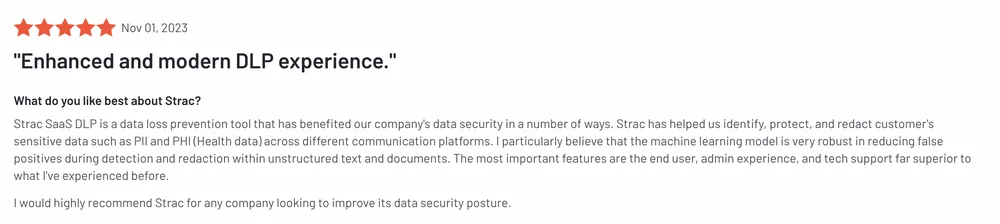
Rated 5/5 on G2 — deployed at UiPath, Crypto.com, Underdog Fantasy and 50+ other enterprises
Built-In & Custom Detectors: Strac supports the detection and redaction of sensitive data elements such as PCI, HIPAA, GDPR, and customizable data types. Organizations can configure custom data detectors tailored to their specific compliance and security requirements.
Compliance Frameworks: Strac enables organizations to achieve compliance with industry regulations and standards, including PCI-DSS, SOC 2, HIPAA, ISO 27001, CCPA, and NIST. This ensures adherence to data protection laws and regulations specific to their industry.
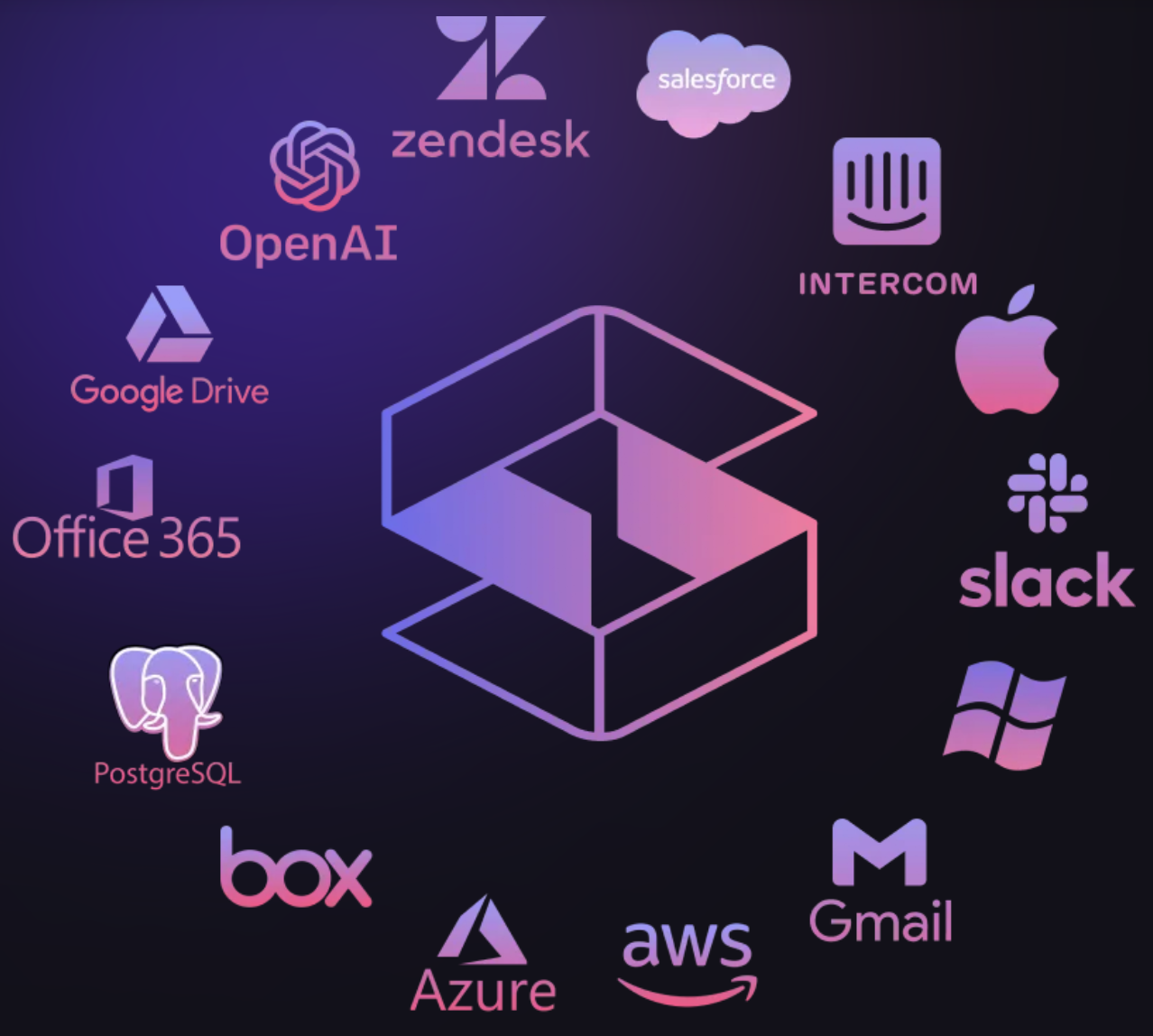
Ease of Integration: Strac offers seamless integration with a wide range of SaaS applications and cloud services. Organizations can deploy Strac within minutes, integrating DLP capabilities into their existing IT infrastructure without disrupting workflows.
Accurate Detection and Redaction: Strac leverages advanced machine learning models to ensure accurate detection and redaction of sensitive data across documents, emails, and attachments. This minimizes false positives and negatives, enhancing overall data protection efficacy.
Rich SaaS Integrations: Strac supports extensive integrations with leading SaaS providers, enhancing data visibility and control across diverse digital environments. Explore all integrations here.
Endpoint DLP: Strac provides comprehensive coverage for endpoint devices, ensuring that sensitive data remains protected regardless of the device’s location or network connectivity. Discover more about Endpoint DLP here.
API Support: Strac offers developers robust APIs to customize DLP functionalities and integrate seamlessly with proprietary applications and systems. To explore integration possibilities, Access Strac’s API documentation.
Inline Redaction: Organizations can utilize Strac’s inline redaction capabilities to mask or blur sensitive information within documents and attachments, preventing unauthorized access.
Customizable Configurations: Strac provides out-of-the-box compliance templates and flexible configurations, allowing organizations to tailor DLP policies to specific business needs and regulatory requirements.
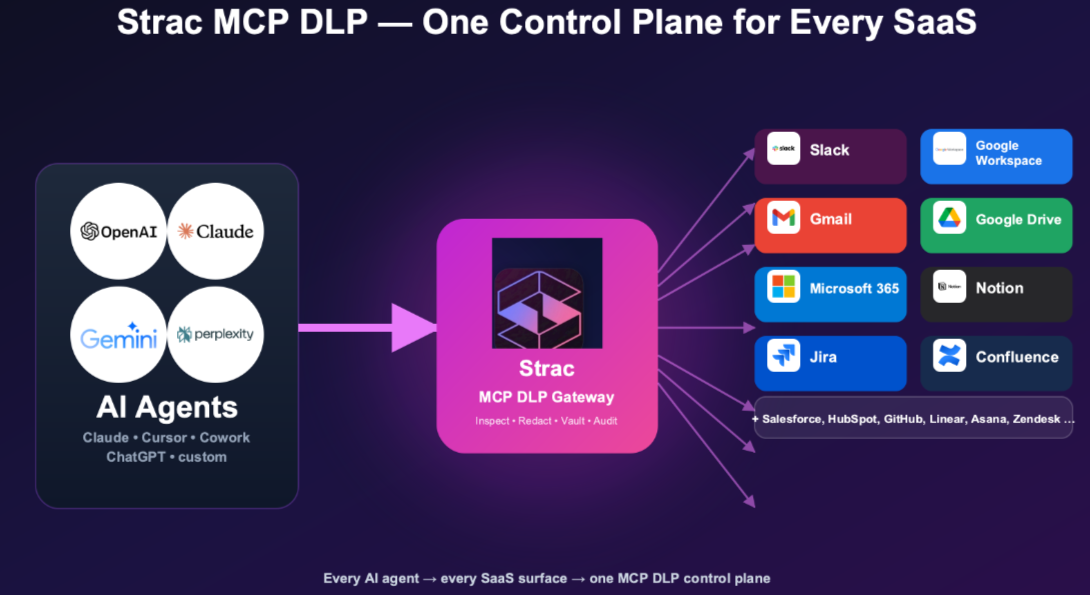
MCP DLP: Detects, redacts, or blocks sensitive data flowing between AI agents (ChatGPT, Claude, Copilot, Cursor) and connected SaaS applications through MCP servers before data reaches the AI model.
GenAI / Browser DLP: Blocks or redacts sensitive content in ChatGPT, Gemini, Copilot, or via a browser extension.
👉 Read our blog on AI DLP to learn how AI DLP prevents sensitive data exposure in ChatGPT, Claude, Copilot, Gemini, and other AI applications.
Customer Satisfaction: Read reviews from Strac’s satisfied customers on G2 to understand their experiences and success stories in implementing effective DLP strategies.
Strac's Customer Review
Bottom Line
In conclusion, implementing robust data loss prevention policies and leveraging advanced DLP solutions such as Strac are essential steps for organizations seeking to protect sensitive data, maintain regulatory compliance, and mitigate security risks effectively. By adopting a comprehensive data loss prevention policy document, businesses can enhance their data security posture, safeguard critical information assets, and build trust with customers and stakeholders in an increasingly digital world.
Future Trends in DLP
Looking ahead, the landscape of data protection is continually evolving. Future trends in DLP may include advancements in artificial intelligence and machine learning to enhance data classification and threat detection capabilities. Organizations should stay proactive in adopting these technologies to stay ahead of emerging threats and regulatory changes.
Case Studies and Practical Examples
To illustrate the effectiveness of DLP policies and solutions, consider exploring case studies or practical examples where organizations successfully implemented DLP strategies to mitigate risks and achieve compliance. These real-world scenarios provide valuable insights into the benefits and outcomes of robust data protection measures.
The Role of Employee Training
Lastly, emphasize the importance of ongoing employee training and awareness programs in reinforcing DLP policies and best practices. Educating employees on the significance of data security and their role in safeguarding sensitive information is crucial for maintaining a strong security culture within the organization.
🌶️ Spicy FAQs for Data Loss Prevention Policy Example
What is a data loss prevention policy example?
A data loss prevention (DLP) policy example is a written, organization-specific document that defines (1) which data classes are protected, (2) which channels and tools are in scope, (3) the detection rules and patterns the organization will enforce, (4) the actions taken on violation (block, warn, redact, alert), (5) incident-response and exception procedures, and (6) how compliance with the policy is measured and audited. The policy is the written control; the DLP platform (e.g., Strac) is the technical enforcement layer underneath.
Where can I find a sample data loss prevention policy?
Most organizations adapt one of the published templates from NIST (SP 800-53), ISO 27001 Annex A, or SANS, then customize for their data classes and SaaS stack. Strac publishes a complete AI Acceptable Use Policy template built on the same model — copy-ready, framework-aligned to NIST AI RMF, EU AI Act, ISO 42001, SOC 2, and HIPAA.
What is a DLP policy template?
A DLP policy template is a structured, fill-in-the-blanks document that covers the standard sections every DLP policy needs: scope, data classification, sanctioned tools, prohibited uses, monitoring, enforcement actions, incident reporting, training, and consequences. The template saves teams from rebuilding the policy structure from scratch and ensures auditors recognize each required section.
What is a DLP policy document, and how is it different from a procedure?
A DLP policy document states the rules — what is protected and what behavior is expected. A DLP procedure documents the steps for executing those rules — how the security team triages an alert, how an exception is requested and approved, how an incident is escalated. Mature programs publish both: the policy is the contract; the procedure is the playbook.
Discover & Protect Data on SaaS, AI, MCP, Endpoints & Cloud
Strac provides end-to-end data loss prevention for all SaaS and Cloud apps. Integrate in under 10 minutes and experience the benefits of live DLP scanning, live redaction, and a fortified SaaS environment.


.webp)









.avif)



.gif)
