September 4, 2026

8
min read
Best Way to Prevent Data Loss: A Comprehensive Guide
Learn the best way to prevent data loss in 2026 with modern DLP strategies for SaaS, cloud, AI, browsers, endpoints, and MCP-powered AI workflows.
· Data loss in 2026 extends far beyond email andendpoints—organizations must secure SaaS applications, cloud storage, browsers,AI assistants, and MCP-powered workflows.
· The most effective data loss prevention (DLP)strategy combines continuous data discovery, AI-powered classification, andreal-time remediation across structured and unstructured data.
· Modern DLP should protect sensitive informationinside documents, images, chat conversations, AI prompts, browser uploads,APIs, and cloud applications—not just files.
· Legacy rule-based DLP solutions struggle withAI, SaaS sprawl, and high false positives, making content-aware detectionessential.
· Strac unifies DSPM and DLP into a singleagentless platform that discovers, classifies, monitors, and remediatessensitive data across SaaS, cloud, endpoints, browsers, GenAI, and MCPenvironments.
Data has never moved faster than it does today. Customer information flows through Slack conversations, Google Drive folders, Salesforce cases, AI assistants, browser uploads, cloud storage, and increasingly through AI agents connected using Model Context Protocol (MCP).
While this has transformed productivity, it has also dramatically expanded the ways sensitive information can be exposed. Most data loss incidents are no longer caused by sophisticated hackers—they happen because employees accidentally paste confidential information into ChatGPT, publicly share a cloud folder, upload sensitive files into SaaS applications, or give AI agents access to information they shouldn't retrieve.
Preventing data loss in 2026 requires far more than monitoring email attachments or blocking USB devices. Organizations need continuous visibility into where sensitive data lives, how it moves, and the ability to stop exposure before it happens.
Data Loss Prevention (DLP) is a combination of technologies, policies, and automated controls designed to discover, classify, monitor, and protect sensitive information wherever it exists.
Modern DLP helps organizations secure data across:
Rather than simply detecting sensitive information, modern DLP solutions automatically take action by masking, redacting, blocking, quarantining, encrypting, or deleting data before it can be exposed.
Traditional DLP products were built for a world where corporate data primarily lived on endpoints and email servers.
Today's organizations operate very differently.
Employees collaborate across dozens of SaaS applications. Customer information moves through support tickets, CRM systems, shared documents, browser sessions, and AI assistants. At the same time, AI agents are increasingly connecting directly to internal systems through MCP, creating entirely new data exposure paths.
Legacy DLP solutions often rely on static regex rules that generate excessive false positives while missing sensitive information hidden inside images, PDFs, spreadsheets, screenshots, and natural language conversations.
Modern data protection requires context-aware detection powered by machine learning and OCR rather than simple keyword matching.
The biggest threats have shifted from external attacks to everyday business workflows.
Some common examples include:
None of these incidents involve malware. They are simply the result of sensitive data moving through modern collaboration tools.
Preventing data loss starts with understanding where sensitive information exists.

You cannot protect data you cannot find.
Organizations should continuously discover and classify personally identifiable information (PII), protected health information (PHI), payment card data (PCI), intellectual property, credentials, API keys, and other confidential information across cloud storage, SaaS applications, databases, endpoints, and AI platforms.
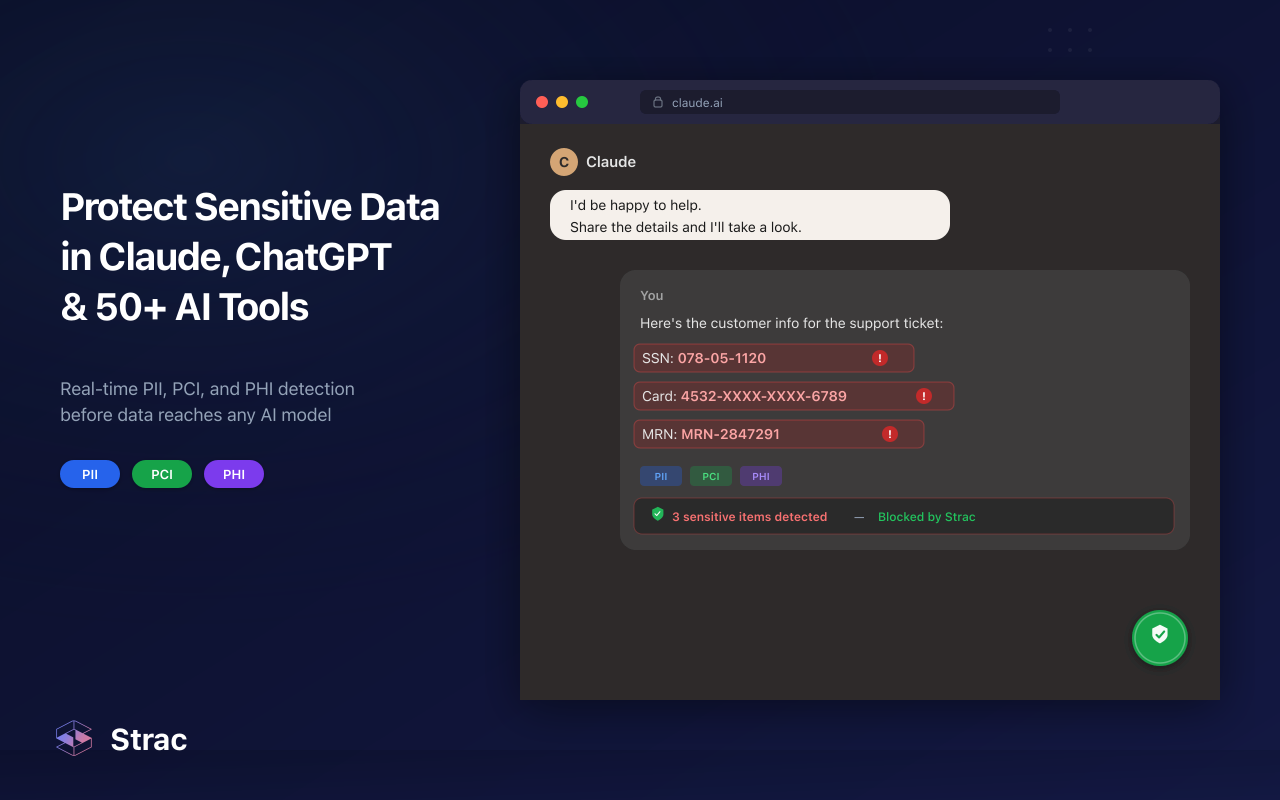
Generative AI has introduced one of the fastest-growing data leakage risks.
Every prompt, uploaded document, and generated response has the potential to expose confidential information if left unmanaged.
Modern DLP should inspect prompts and responses in real time, automatically blocking or redacting sensitive information before it reaches external AI models.
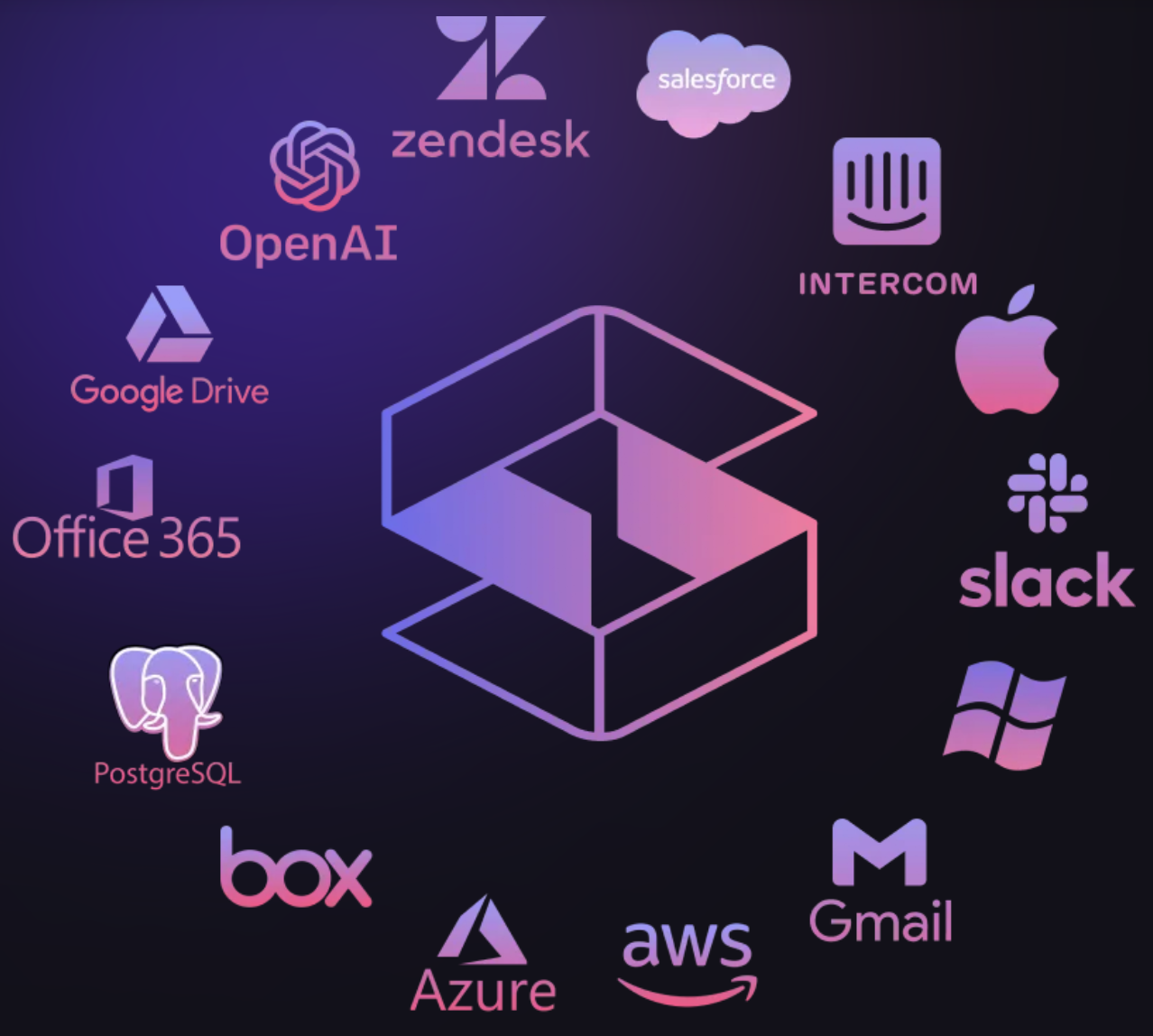
Business-critical data no longer lives inside a single platform.
Organizations should continuously monitor applications like Google Workspace, Microsoft 365, Slack, Salesforce, Zendesk, Jira, Confluence, Notion, and other SaaS platforms where employees collaborate every day.
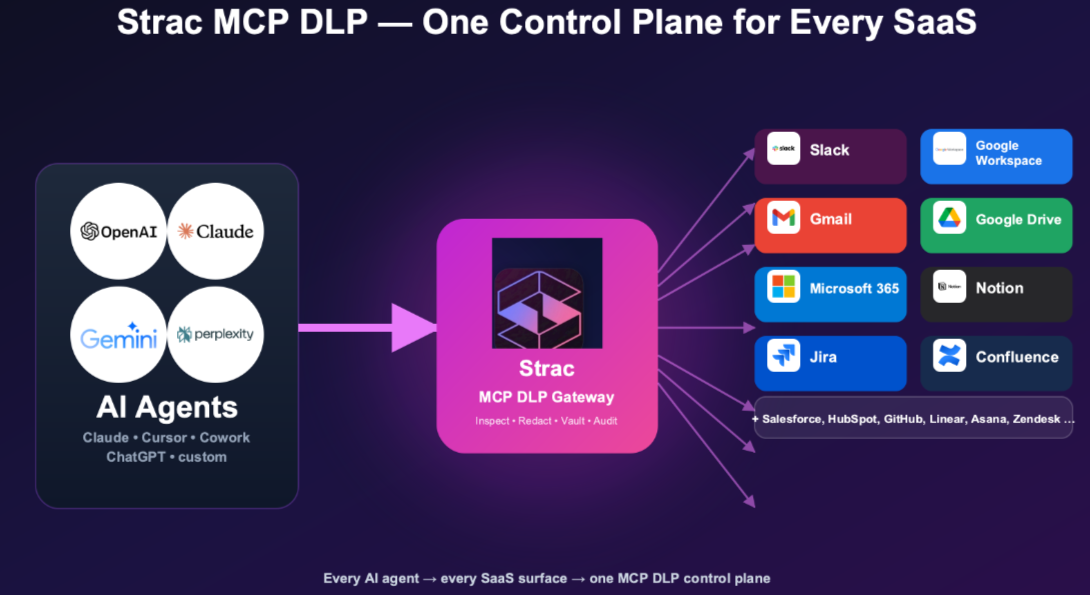
As AI agents become more autonomous, they increasingly access internal systems through MCP servers.
Without proper controls, an AI assistant could retrieve customer databases, HR files, financial records, or source code simply because it has been granted access.
Modern DLP must extend protection into these new AI workflows by monitoring what data AI agents access, process, and share.

Detection alone is no longer enough.
The best DLP platforms automatically:
This reduces risk while allowing employees to continue working without unnecessary disruption.
When evaluating DLP solutions, organizations should look for capabilities beyond traditional endpoint protection.
An effective modern platform should provide:
Strac is designed for the modern data security landscape where sensitive information moves across SaaS applications, cloud environments, browsers, endpoints, AI assistants, and MCP-powered workflows.
Instead of relying on static rules, Strac uses content-aware machine learning and OCR to accurately identify sensitive information across structured and unstructured data while minimizing false positives.
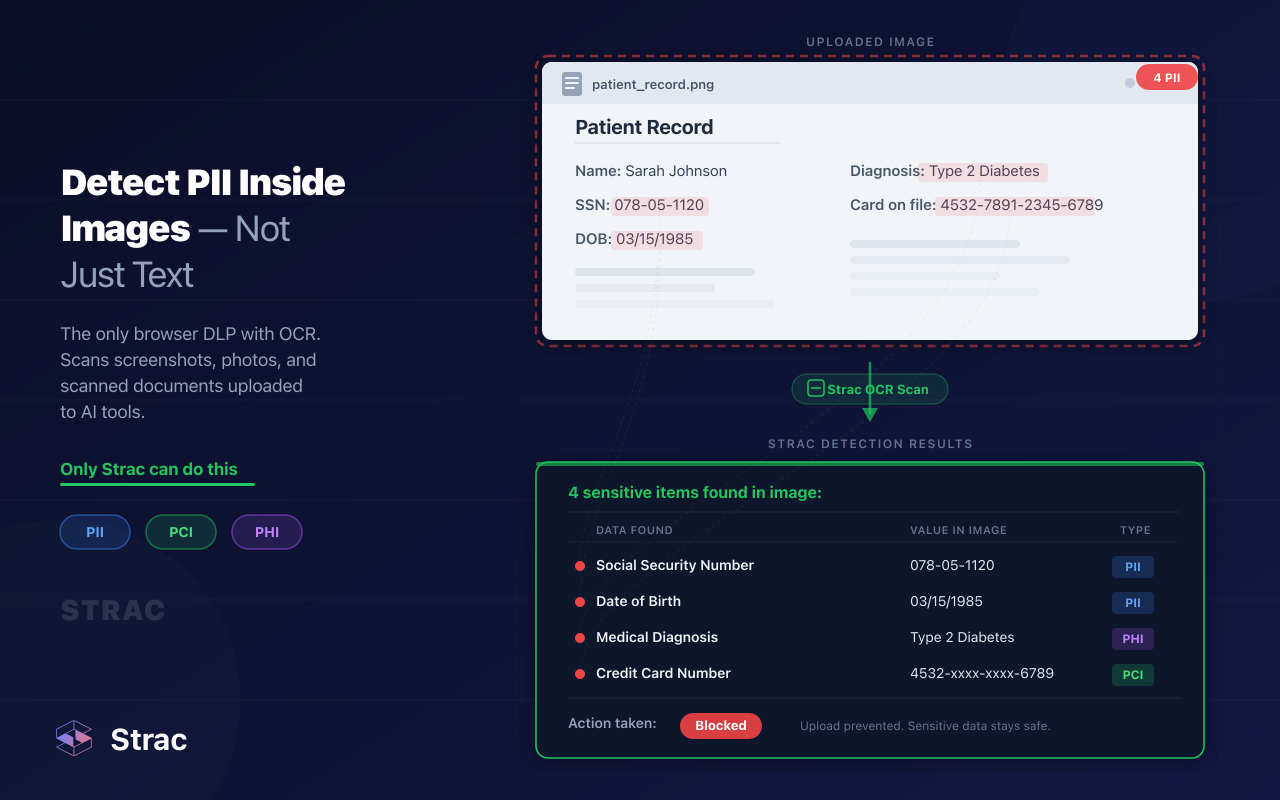
Organizations can automatically discover sensitive information across their SaaS ecosystem, classify critical data, assess security posture, and immediately remediate exposure through real-time redaction, masking, blocking, quarantine, encryption, or deletion.
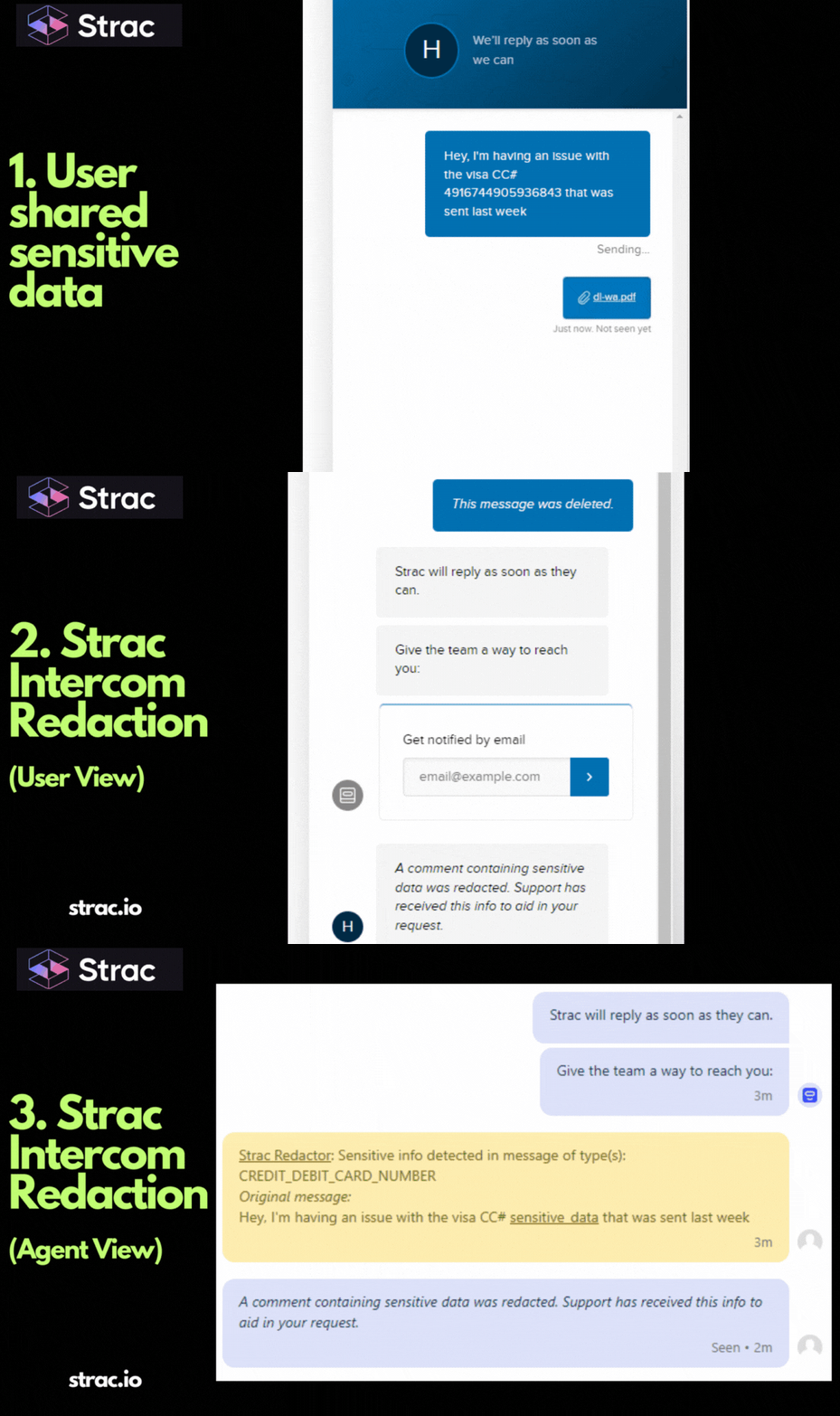
Strac also protects modern AI workflows by inspecting prompts, uploaded documents, browser activity, and AI interactions before sensitive information leaves the organization. Combined with broad SaaS integrations, endpoint protection, browser DLP, cloud security, and unified DSPM capabilities, organizations gain complete visibility into where sensitive data exists and how it moves across their business.
Whether protecting customer information inside Salesforce, payment data in support tickets, confidential documents in Google Drive, or sensitive prompts sent to AI assistants, Strac helps organizations reduce risk without slowing productivity.
The best way to prevent data loss in 2026 is to protect sensitive information wherever work happens—not just on endpoints or email. As organizations adopt more SaaS applications, cloud services, AI assistants, and MCP-powered agents, data security must evolve with them. Modern DLP combines continuous discovery, intelligent classification, real-time monitoring, and automated remediation to stop sensitive data from being exposed before it becomes a breach. Organizations that embrace this approach will not only strengthen security but also simplify compliance and confidently adopt the next generation of AI-powered productivity tools.
The best way to prevent data loss in 2026 is to combine continuous data discovery, AI-powered classification, and real-time Data Loss Prevention (DLP) across SaaS applications, cloud storage, browsers, endpoints, email, and AI platforms. Modern DLP solutions should automatically detect, classify, and remediate sensitive data through actions like redaction, blocking, masking, encryption, and quarantine before information is exposed.
Traditional DLP solutions were designed for email and endpoints, but today's data moves across Google Workspace, Microsoft 365, Slack, Salesforce, AI assistants, browsers, and MCP-powered AI agents. Legacy tools often rely on regex-based detection, creating high false positives while missing sensitive information in documents, images, AI prompts, and SaaS applications. Modern DLP uses machine learning, OCR, and content-aware detection to accurately protect data wherever it lives.
Organizations can prevent AI data leaks by deploying AI-aware DLP solutions that inspect prompts, uploaded files, and AI responses before data leaves the organization. The best AI DLP platforms automatically detect sensitive information such as PII, PHI, PCI, API keys, and confidential business data, then block, redact, or mask it in real time without disrupting employee productivity.
The best DLP software should provide automatic sensitive data discovery, AI-powered classification, OCR for images and scanned documents, deep inspection of files and attachments, browser DLP, endpoint protection, SaaS security, cloud DLP, AI and MCP security, real-time remediation, unified DSPM capabilities, and built-in compliance support for frameworks such as GDPR, HIPAA, PCI DSS 4.0, SOC 2, and ISO 27001.
Strac helps organizations prevent data loss by combining Data Security Posture Management (DSPM) and Data Loss Prevention (DLP) into a single agentless platform. It continuously discovers and classifies sensitive data across SaaS applications, cloud environments, browsers, endpoints, AI assistants, and MCP workflows while using AI-powered detection to minimize false positives. Strac can automatically redact, mask, block, encrypt, quarantine, or delete sensitive information in real time, helping organizations strengthen security, simplify compliance, and securely adopt AI.
.avif)


.gif)


.webp)