June 20, 2026

14
min read
17 Best Data Security Posture Management (DSPM) Solutions
Explore the top 17 DSPM vendors for 2026, offering robust data protection, compliance, and automation tools to safeguard sensitive information.
Data Security Posture Management (DSPM) solutions have emerged as essential tools for organizations looking to secure their data across cloud, SaaS, and on-premises environments. According to recent industry research, more than a third of organizations have experienced breaches costing over $1 million, and nearly all still struggle with serious gaps in managing cloud risk. That reality is exactly why DSPM vendors are getting more attention from security leaders.
Today, strong DSPM vendors go beyond basic discovery. They provide clear visibility into where sensitive data lives, accurate classification, and built-in remediation so teams can fix issues fast. When evaluating DSPM vendors, organizations should prioritize real coverage across SaaS and AI, low operational noise, and the ability to reduce risk immediately, not just surface more alerts.
Last updated: June 2026
Data Security Posture Management is a practice and toolset that keeps sensitive data continuously discovered, classified, and protected across your ecosystem. A DSPM vendor provides software that continuously discovers sensitive data, maps who and what can access it, identifies live exposure, and enables remediation across cloud, SaaS, data platforms, and endpoints.
DSPM answers three core questions:
Coverage typically includes cloud data stores, SaaS applications, data warehouses, data lakes, developer copies, and endpoints.
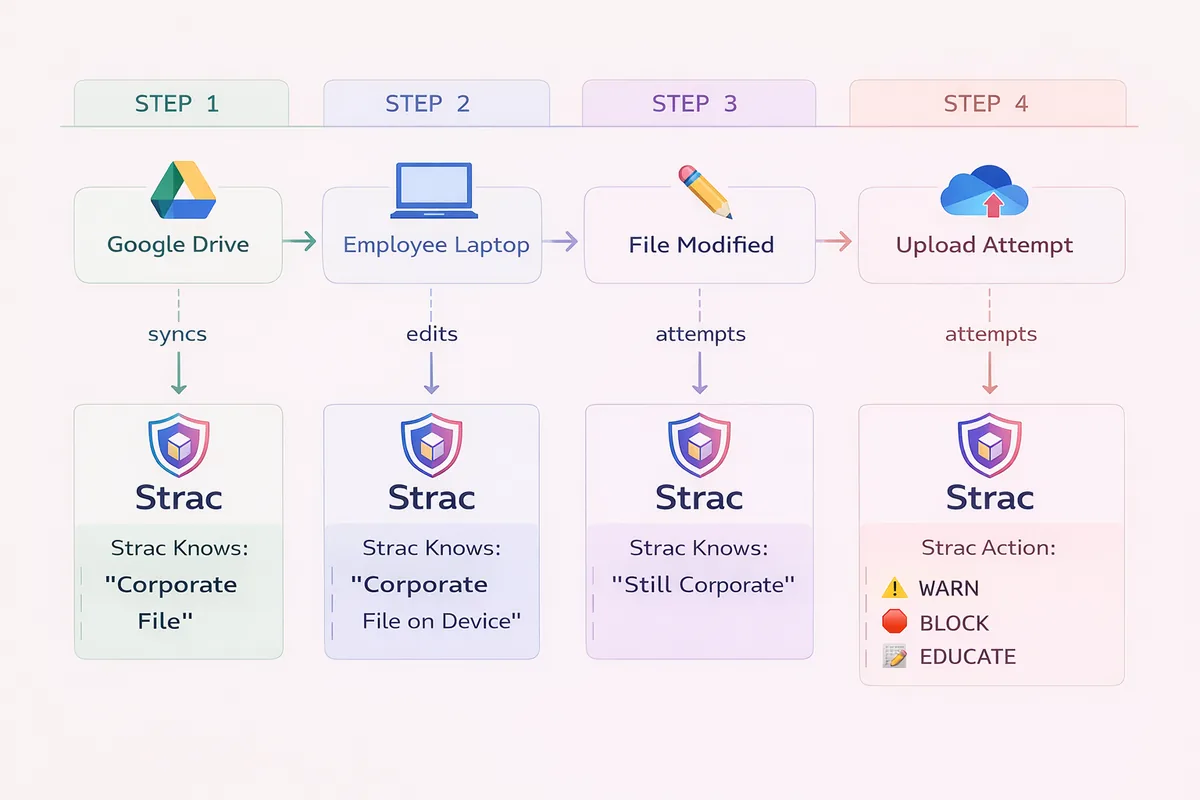
Strac DSPM Google Drive
Sprawl increases risk. Access drifts. Shadow copies multiply. Regulations require audit ready proof. Boards expect measurable risk reduction.
DSPM vendors help teams:

Effective DSPM programs anchor on repeatable use cases that combine discovery, classification, exposure analysis, and remediation across SaaS and cloud. The objective is to reduce the data attack surface continuously, enforce least privilege with evidence, and keep compliance always-on instead of periodic. Below are representative, high-impact DSPM use cases consistent with modern platform capabilities and how security teams operationalize them at scale. This is where DSPM turns from a catalog of findings into measurable risk reduction and faster audit readiness.
While most DSPM vendors claim data discovery and classification, real differences emerge in how they operate day to day. Some platforms focus primarily on visibility and reporting, leaving remediation to external tools or manual workflows. Others integrate policy-driven enforcement, enabling teams to reduce exposure directly through access right-sizing, sharing revocation, quarantine, or deletion.
Practical differentiation also shows up in deployment models. Agentless, API-based DSPM vendors typically deliver faster time to value and lower operational overhead than agent-heavy approaches. Coverage breadth matters as well; vendors that span SaaS, cloud, data platforms, and AI workflows reduce blind spots that siloed tools often leave behind.
Overview:
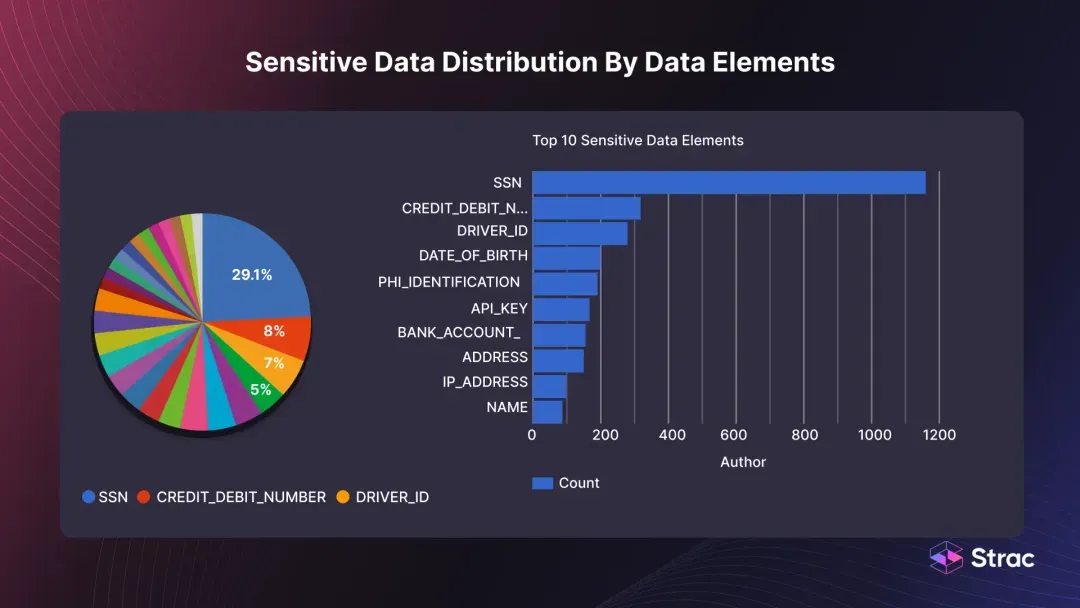
Strac stands out as the leader in the DSPM space, offering a comprehensive suite of features designed to automatically discover, scan, classify, and remediate sensitive data across cloud, SaaS, and endpoint environments. Strac’s capabilities go beyond standard DSPM solutions by integrating Data Loss Prevention (DLP) functionalities, making it a one-stop solution for data security. When evaluating DSPM vendors, it's crucial to consider the range of features and integrations they offer.
Key Features:

Pros:
Final Verdict: Strac’s unparalleled feature set and comprehensive approach to DSPM make it the top choice for organizations serious about data security. Strac is one of the top dspm vendors ideal for organizations heavily invested in cloud environments.


Overview:
Symmetry Systems offers a robust DSPM solution focusing on data-centric security. It emphasizes real-time monitoring and protection of data across cloud and hybrid environments, providing visibility into data flows and access patterns.
Key Features:
Pros:
Cons:
Final Verdict: Symmetry Systems is an excellent choice for organizations looking for a data-centric approach to DSPM, particularly those focused on monitoring data flows.
Overview:
Zscaler is a well-known player in the cybersecurity space, and its DSPM solution integrates seamlessly with its broader security platform. Zscaler’s strength lies in its ability to protect data across cloud and SaaS environments with a focus on secure access and threat prevention.
Key Features:
Pros:
Cons:
Final Verdict: Zscaler’s DSPM solution is ideal for large enterprises already using its security platform, offering a comprehensive and integrated approach to data protection.
Overview:
BigID is a data intelligence platform that combines DSPM with data privacy and governance features. It excels in discovering and classifying sensitive data across structured and unstructured environments, making it a popular choice for organizations with diverse data sets.
Key Features:
Pros:
Cons:
Final Verdict: BigID is a solid choice for organizations needing a comprehensive data intelligence platform that combines DSPM with privacy and governance capabilities.
Overview:
The Cloud Security Alliance (CSA) offers a DSPM solution that is highly regarded for its focus on cloud security best practices. It provides a framework for securing data in cloud environments, with a strong emphasis on compliance and risk management.
Key Features:
Pros:
Cons:
Final Verdict: CSA’s DSPM solution is a great fit for organizations looking to secure data in cloud environments, especially those with a strong focus on compliance and risk management.
Overview:
Cyberhaven offers a unique approach to DSPM by focusing on tracking and analyzing data flows in real time. The platform provides deep insights into how data moves within an organization, helping to identify and mitigate risks.
Key Features:
Pros:
Cons:
Final Verdict: Cyberhaven is a great choice for organizations that need real-time insights into data flows and are looking to proactively manage data security risks.
Overview:
Ermetic is a cloud security platform that integrates DSPM features with identity and access management (IAM) capabilities. It excels in managing and securing data access in cloud environments, making it a popular choice for organizations with complex cloud architectures.
Key Features:
Pros:
Cons:
Final Verdict: Ermetic is ideal for organizations with complex cloud architectures looking for a DSPM solution that integrates with IAM and provides comprehensive data access security.
Overview:
Securiti is a DSPM solution that combines data privacy, security, and governance features. It provides a comprehensive approach to managing sensitive data, with a strong focus on compliance and risk management.
Key Features:
Pros:
Cons:
Final Verdict: Securiti is a great fit for organizations looking for a comprehensive DSPM solution that combines data privacy, security, and governance.
Overview:
Normalyze is a data-centric security platform that integrates DSPM with data discovery and classification across cloud environments. It is designed to provide deep visibility into where sensitive data resides and who has access to it, making it a valuable tool for organizations seeking to secure their cloud infrastructure.
Key Features:
Pros:
Cons:
Final Verdict: Normalyze is a powerful tool for organizations that need deep visibility into their cloud data and want to continuously monitor their data security posture.
Overview:
Cyera is a cloud-native DSPM solution that focuses on automating data discovery, classification, and security across cloud environments. It is designed to help organizations understand their data landscape and enforce security policies effectively.
Key Features:
Pros:
Cons:
Final Verdict: Cyera is ideal for organizations that are heavily invested in cloud environments and need a cloud-native solution to automate data security and enforce policies.
Overview:
Varonis is a leading data security platform that specializes in Data Security Posture Management (DSPM). It focuses on discovering, monitoring, and protecting sensitive data across various environments, including cloud and on-premises.
Key Features:
Pros:
Cons:
Final Verdict:
Varonis is an excellent choice for organizations needing robust data security and compliance features, making it ideal for enterprises with complex data environments.
Overview:
Dig Security offers a multi-cloud DSPM solution designed to discover, classify, protect, and govern sensitive data across various cloud services. Its agentless architecture simplifies deployment.
Key Features:
Pros:
Cons:
Final Verdict:
Dig Security is a solid option for organizations looking for an efficient, agentless DSPM solution that emphasizes real-time monitoring and compliance.
Overview:
Tufin specializes in network security management and offers DSPM capabilities focused on role-based access control (RBAC) to secure sensitive data within cloud environments.
Key Features:
Pros:
Cons:
Final Verdict:
Tufin is best suited for organizations that require strong network security alongside DSPM capabilities, particularly those with complex access needs.
Overview:
Prisma Cloud is a comprehensive cloud-native security platform that includes DSPM features aimed at securing applications and data across multi-cloud environments.
Key Features:
Pros:
Cons:
Final Verdict:
Prisma Cloud is ideal for organizations heavily invested in cloud infrastructure that need a comprehensive security solution encompassing DSPM.
Overview:
Laminar provides a unique approach to DSPM by focusing on securing sensitive data in the cloud through continuous monitoring and risk assessment.
Key Features:
Pros:
Cons:
Final Verdict:
Laminar is a great choice for organizations looking to enhance their cloud data security posture through continuous monitoring and risk assessment.
Overview:
OneTrust combines privacy management with DSPM capabilities, focusing on helping organizations manage sensitive data while ensuring compliance with various regulations.
Key Features:
Pros:
Cons:
Final Verdict:
OneTrust is ideal for organizations prioritizing privacy alongside their DSPM needs, particularly those needing robust compliance support.
Overview:
Fortanix provides a unique approach to DSPM through its Runtime Encryption technology, which secures sensitive data while it is being processed in the cloud.
Key Features:
Pros:
Cons:
Final Verdict:
Fortanix is an excellent option for organizations looking to secure sensitive workloads in the cloud through innovative runtime encryption technology.
Selecting a DSPM tool is about coverage, accuracy, and actionability aligned to your data landscape and operating model. Start with a proof-of-value on real datasets to validate discovery depth, classification accuracy, and the ability to actually reduce exposure. Prioritize tools that integrate with your identity, collaboration, ticketing, and CI/CD stack so fixes become routine. Finally, demand executive-ready posture reporting that shows risk trending down with clear owners, SLAs, and evidence.
Evaluation checklist
DSPM adoption is accelerating because data has become harder to control. Sensitive information now lives across dozens of SaaS tools, cloud services, and AI workflows, and it changes every day. Traditional audits and periodic reviews can’t keep up. Regulators are also raising the bar, expecting continuous visibility and proof that data is actually being protected, not just reviewed once a year. That means understanding not just where sensitive data sits, but how it moves, who touches it, and how access expands over time; in other words, maintaining clear data lineage across systems.
At the same time, security leaders are under pressure to show real results, not just dashboards. DSPM vendors that go beyond discovery and help teams fix exposure make that possible. When access is tightened, risky sharing is removed, and findings are closed with clear evidence, progress becomes easy to explain to executives and boards; and much easier to defend during audits.
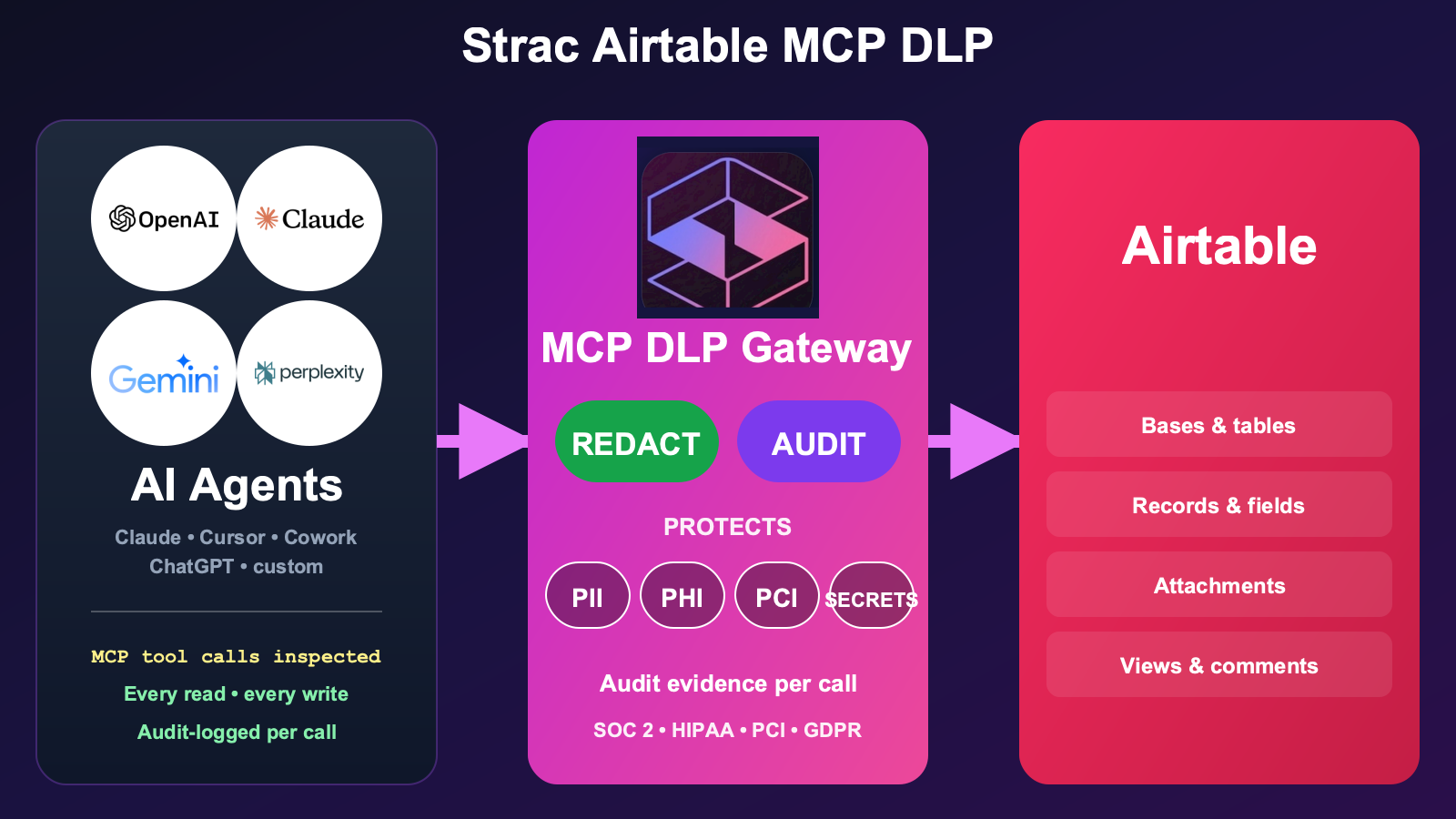
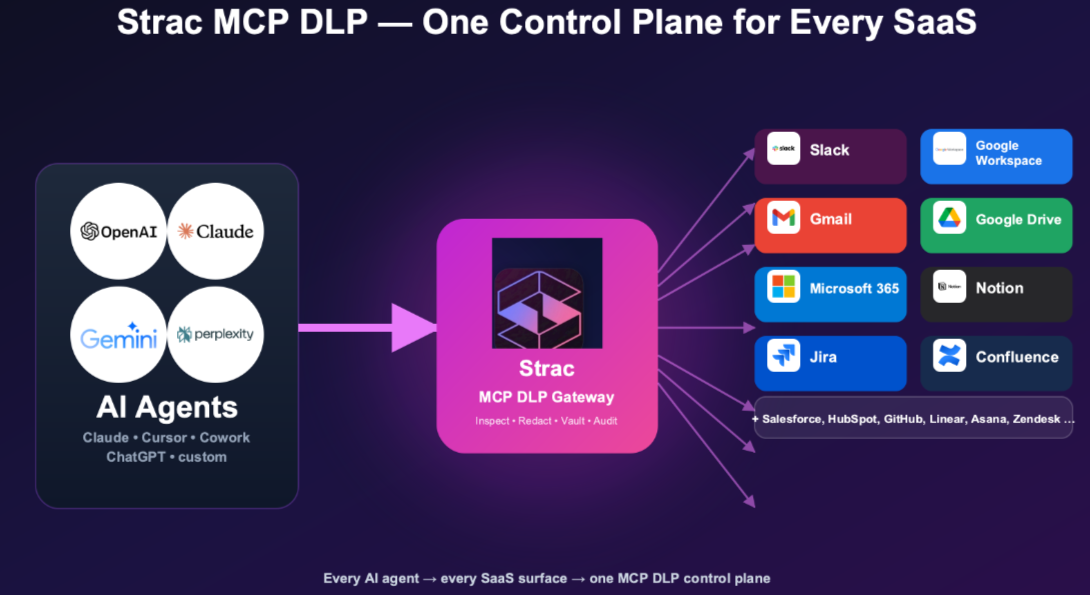
The DSPM market built itself around static cloud data stores. In 2026 the riskiest data flows are no longer employees clicking through Drive folders — they are AI agents pulling rows from a Postgres MCP server, attachments from a Confluence MCP server, or tickets from a Zendesk MCP server, then writing those payloads into a model context. Of the vendors above, Strac is the only one shipping MCP DLP integrations across the SaaS apps that AI agents actually connect to. Most other DSPM vendors have no MCP story; they sit one layer too low.
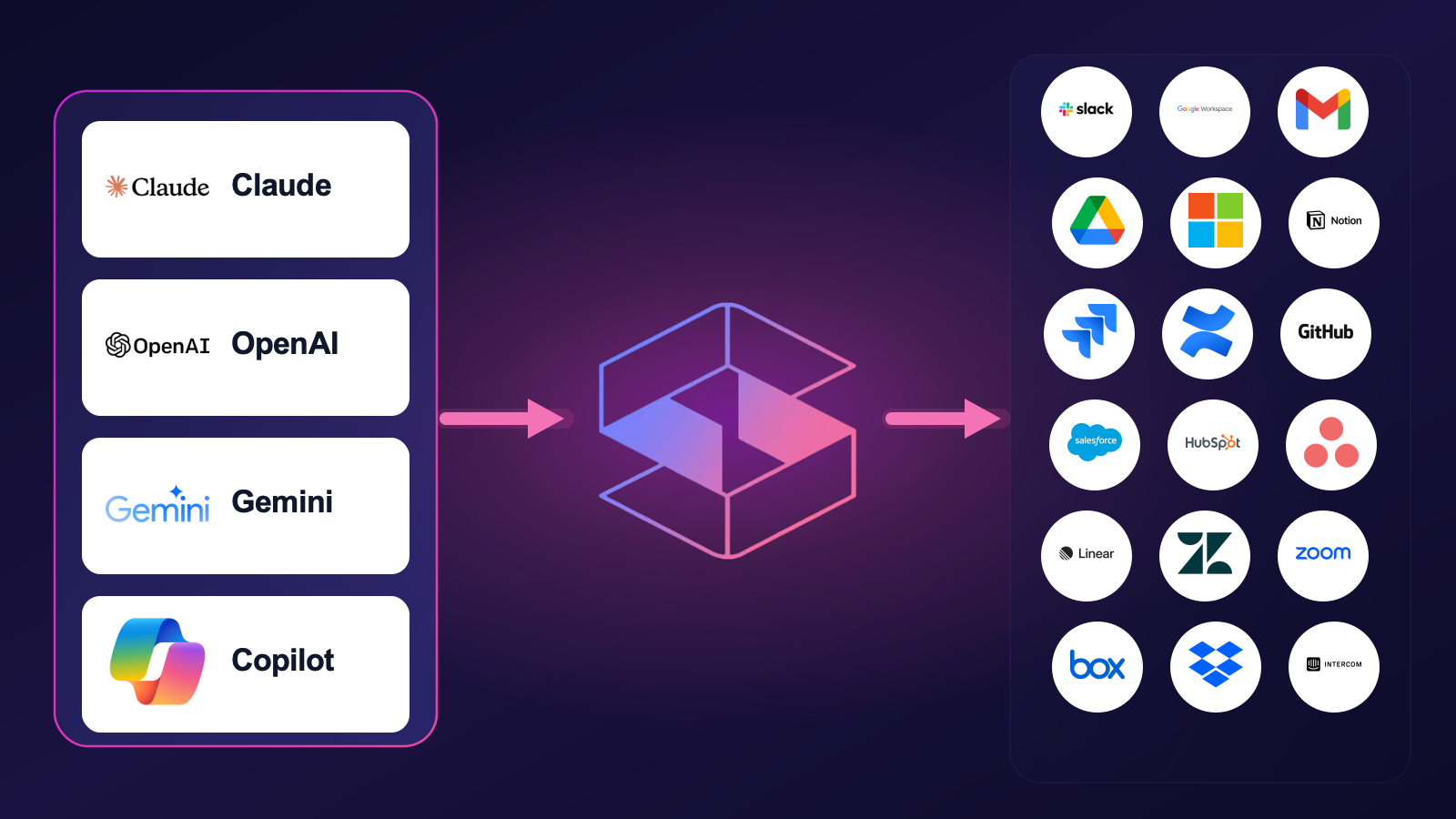
The DSPM market segmented itself around static cloud data — AWS, GCP, Azure storage layers. Most of the vendors above shine there. The 2026 question every buyer should now ask: what happens to your DSPM when an AI agent reads my Salesforce records through MCP and writes them into a Claude Cowork context window? For most vendors on the list above, the honest answer is “not in scope.”
Strac's position is to ship the AI-agent layer as a first-class part of the DSPM product, not as a future roadmap item. MCP DLP covers 18 SaaS connectors today: Slack, Google Workspace, Gmail, Drive, Microsoft 365, Notion, Jira, Confluence, GitHub, Salesforce, HubSpot, Asana, Linear, Zendesk, Zoom, Box, Dropbox, Intercom. Each integration wraps the official MCP server and inspects every tool-call payload at the boundary — the same data-protection evidence flowing into your SOC 2 / HIPAA / ISO 27001 / GDPR / PCI / EU AI Act audit feed.
For healthcare-adjacent teams the practical edge is the Claude Cowork BAA gap: Anthropic does not currently cover Cowork under a BAA. The other major AI vendors — ChatGPT Enterprise, Microsoft 365 Copilot, Gemini for Workspace — do have BAA-eligible paths but rely on customers to control what data ever reaches the model. Strac's agent-boundary redaction enforces that control across every AI client; Is Claude HIPAA compliant? walks through the surface-by-surface picture.
Choosing the right DSPM solution is critical for ensuring the security and compliance of your organization's sensitive data. Each of the solutions listed here offers unique strengths, making them suitable for different types of organizations and security needs. However, Strac stands out as the most comprehensive and advanced DSPM solution in 2026, offering unparalleled features and capabilities that make it the top choice for organizations serious about data security.
By evaluating your organization’s specific needs and the features offered by these top DSPM solutions, you can make an informed decision that best aligns with your data security strategy.
DSPM is your x-ray vision for sensitive data. It discovers where data lives across cloud, SaaS, and endpoints, classifies it, and continuously checks who can access it. Beyond visibility, it maps exposures and enables policy-driven remediation—so security teams don’t just detect, they fix.
DSPM plugs into your SaaS apps, cloud storage, and databases through APIs or lightweight connectors. It:
Think of it as continuous data discovery + risk monitoring + enforcement in one system.
Shortlists often include Strac, BigID, Cyera, Prisma Cloud, and Varonis.
The “best” depends on your stack, risk appetite, and need for remediation vs. reporting.
👉 The vendors that stand out are the ones that go beyond visibility to deliver real-time remediation.
.avif)


.gif)


.webp)