August 10, 2026

7
min read
Understanding Data Loss Prevention Policy PDF
Discover the importance of a Data Loss Prevention Policy PDF and how it safeguards sensitive data. Learn key components and explore Strac's advanced DLP solution.
TL;DR:
Data loss prevention (DLP) policies are crucial for organizations aiming to safeguard their sensitive information. With the increasing amount of digital data, it's essential to implement robust DLP strategies to prevent unauthorized access, data breaches, and compliance violations. This blog will explore the concept of a data loss prevention policy PDF, its importance, and how it can help organizations secure their data.
A data loss prevention policy PDF is a documented set of guidelines and procedures designed to prevent unauthorized access, use, disclosure, or loss of sensitive information. These policies are typically formatted as PDF documents for easy distribution and accessibility across an organization. They serve as a comprehensive reference for employees, outlining the protocols for handling sensitive data and the measures in place to protect it.
Financial institutions, such as banks and credit unions, handle vast amounts of sensitive customer data, including account numbers, social security numbers, and transaction details. A DLP policy PDF for a financial institution would include guidelines on how to handle this data, ensuring it's encrypted and securely stored. It would also outline protocols for detecting and preventing unauthorized access or data breaches.
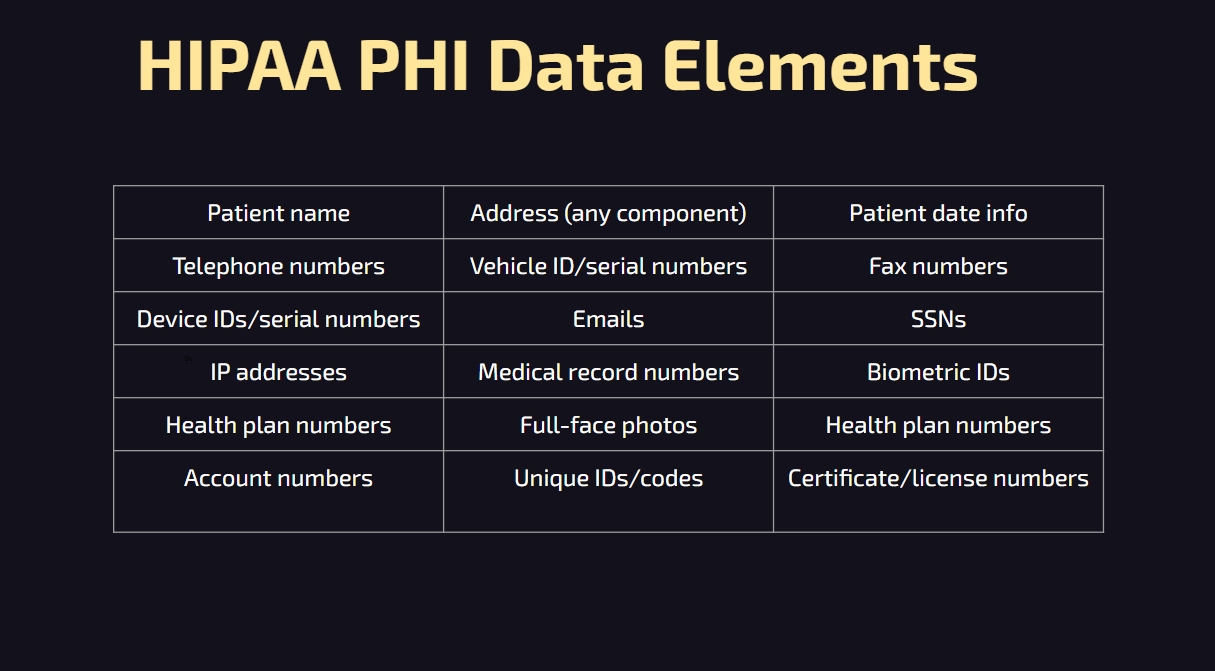
Healthcare organizations manage sensitive patient information, including medical records and personal health information (PHI). A DLP policy PDF for a healthcare organization would provide detailed instructions on safeguarding this data, complying with regulations like HIPAA, and ensuring that PHI is only accessible to authorized personnel.
Corporate enterprises often deal with proprietary information, intellectual property, and confidential business data. A DLP policy PDF for such an organization would include measures to protect trade secrets, proprietary algorithms, and other sensitive business information from being accessed or leaked by unauthorized parties.
Implementing a data loss prevention policy PDF addresses several critical risks and problems associated with data management and security.
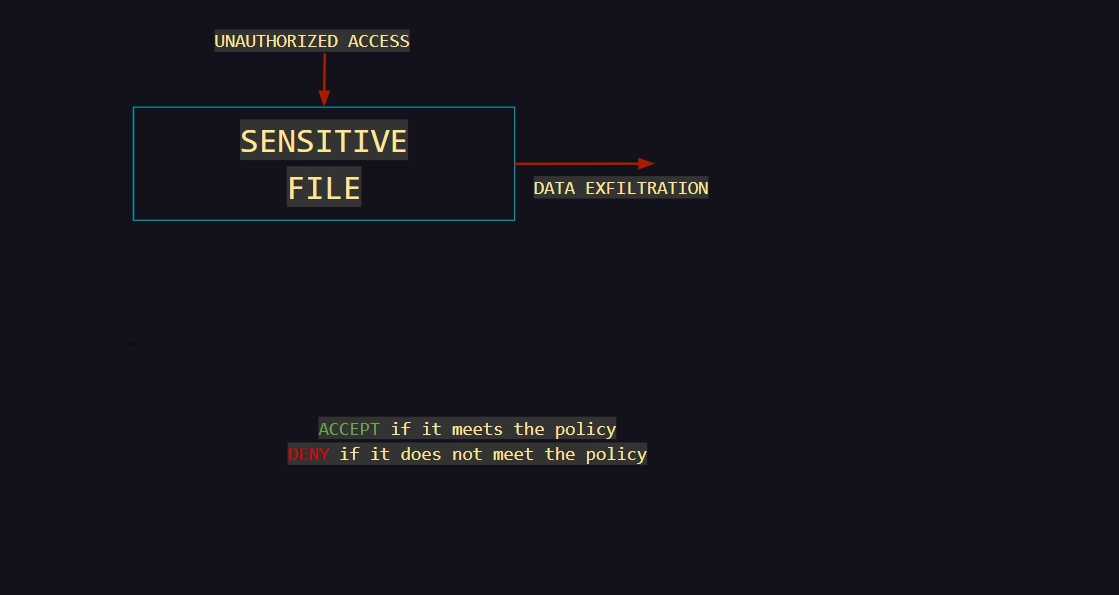
One of the primary risks addressed by a DLP policy is unauthorized access to sensitive data. This includes both external threats, such as hackers, and internal threats, such as employees accessing data they shouldn't. By defining clear access controls and monitoring protocols, a DLP policy helps mitigate this risk.
An organization may implement a DLP policy that includes monitoring and auditing employee access to sensitive data. This helps identify any unusual access patterns or unauthorized attempts to access restricted information, preventing insider threats.

Data breaches can result in significant financial and reputational damage to an organization. A DLP policy outlines the steps to prevent, detect, and respond to data breaches, ensuring that sensitive information remains secure.
A DLP policy PDF may include detailed breach response protocols, such as immediate notification to relevant stakeholders, containment measures, and steps to mitigate the impact of the breach. This ensures a swift and effective response, minimizing damage.
Organizations are often required to comply with various data protection regulations, such as GDPR, HIPAA, and PCI DSS. A DLP policy helps ensure compliance with these regulations, avoiding legal penalties and enhancing customer trust.
For organizations operating in the European Union, a DLP policy PDF would include specific measures to comply with GDPR requirements, such as data minimization, encryption, and the right to be forgotten. This ensures that the organization meets its legal obligations.
Creating an effective data loss prevention policy PDF involves several key components to ensure comprehensive data protection.
The policy should clearly define its objectives and scope, specifying the types of data it covers and the threats it aims to mitigate. This ensures that all employees understand the policy's importance and relevance.
Implementing strict access controls and authentication mechanisms is crucial to prevent unauthorized access. The policy should outline the roles and responsibilities of employees, specifying who can access sensitive data and under what conditions.
Data encryption and masking are essential techniques for protecting sensitive information. The policy should include guidelines for encrypting data at rest and in transit, as well as masking sensitive information in reports and logs.
Continuous monitoring and auditing are vital for detecting and preventing unauthorized access or data breaches. The policy should specify the tools and processes for monitoring data access and usage, as well as conducting regular audits.
A robust breach response and incident management plan is crucial for minimizing the impact of data breaches. The policy should include detailed procedures for identifying, reporting, and responding to security incidents.
The policy should include specific measures for meeting legal and regulatory requirements to ensure compliance with relevant regulations. These include data retention policies, consent management, and rights to access or delete personal information.
Strac offers a state-of-the-art SaaS and endpoint DLP solution designed to protect sensitive data across various platforms. Here's how Strac's modern features help enhance data security:
Strac supports a wide range of sensitive data detectors for compliance with PCI, HIPAA, GDPR, and other regulations. Customers can also configure custom data elements. Strac is unique in its ability to detect and redact sensitive information from images and perform deep content inspection on various document formats.
Strac helps organizations achieve compliance with major frameworks, including PCI, SOC 2, HIPAA, ISO 27001, CCPA, and NIST. This ensures that organizations meet their legal obligations and maintain customer trust.
Strac's solution can be integrated within minutes, providing instant DLP capabilities, including live scanning and redaction, across various SaaS applications.
Strac's machine learning models are trained on sensitive PII, PHI, PCI, and confidential data, ensuring high accuracy with minimal false positives and negatives.
Strac offers a vast array of SaaS and cloud integrations, making it a versatile solution for various business environments. Explore all integrations here.
Strac integrates with LLM APIs and AI platforms like ChatGPT, Google Bard, and Microsoft Copilot. These integrations help protect AI applications and safeguard sensitive data. Learn more in the developer documentation.
Strac provides a comprehensive endpoint DLP solution, offering robust protection for data on endpoints. Check out Strac's endpoint DLP capabilities here.
Strac offers APIs for developers to detect or redact sensitive data, providing flexibility and ease of use. The API documentation provides more details.
Strac's inline redaction feature masks or blurs sensitive text within attachments, enhancing data security in various formats.
Strac provides out-of-the-box compliance templates and flexible configurations to meet specific business needs. This ensures that data protection measures align with organizational requirements.
Strac has received positive feedback from customers, highlighting its effectiveness and ease of use. Read the reviews on G2.

A comprehensive data loss prevention policy PDF is essential for any organization handling sensitive information. By implementing clear guidelines and robust security measures, organizations can protect their data from unauthorized access, breaches, and regulatory non-compliance. Solutions like Strac enhance these efforts with advanced features, ensuring comprehensive data protection across various platforms. Investing in a strong DLP policy and solution is a crucial step toward safeguarding your organization's most valuable asset – its data.
.avif)


.gif)


.webp)