August 18, 2026

7
min read
Data Loss Prevention Objectives: A Comprehensive Guide
Learn the top data loss prevention objectives for 2026. Discover how modern DLP, DSPM, AI security, and Strac protect sensitive data across SaaS, cloud, and AI.
· Modern DLP objectives extend far beyond blockingfile transfers; they focus on continuously discovering, protecting, andremediating sensitive data wherever it lives.
· Organizations should prioritize reducing dataexposure across SaaS apps, cloud storage, AI tools, endpoints, APIs, andcollaboration platforms.
· EffectiveDLP objectives combine data discovery (DSPM), real-time protection, complianceautomation, and AI security.
· The best DLP platforms don't just detectsensitive data; they automatically remediate it through redaction, masking,blocking, quarantine, encryption, or coaching.
· Straccombines DSPM and DLP in one AI-native, agentless platform that protectssensitive data across modern SaaS environments, cloud storage, endpoints,browsers, APIs, and AI applications with minimal deployment effort.
A few years ago, most organizations defined Data Loss Prevention (DLP) with a simple goal:
Stop employees from emailing sensitive files outside the company.
That is no longer enough.
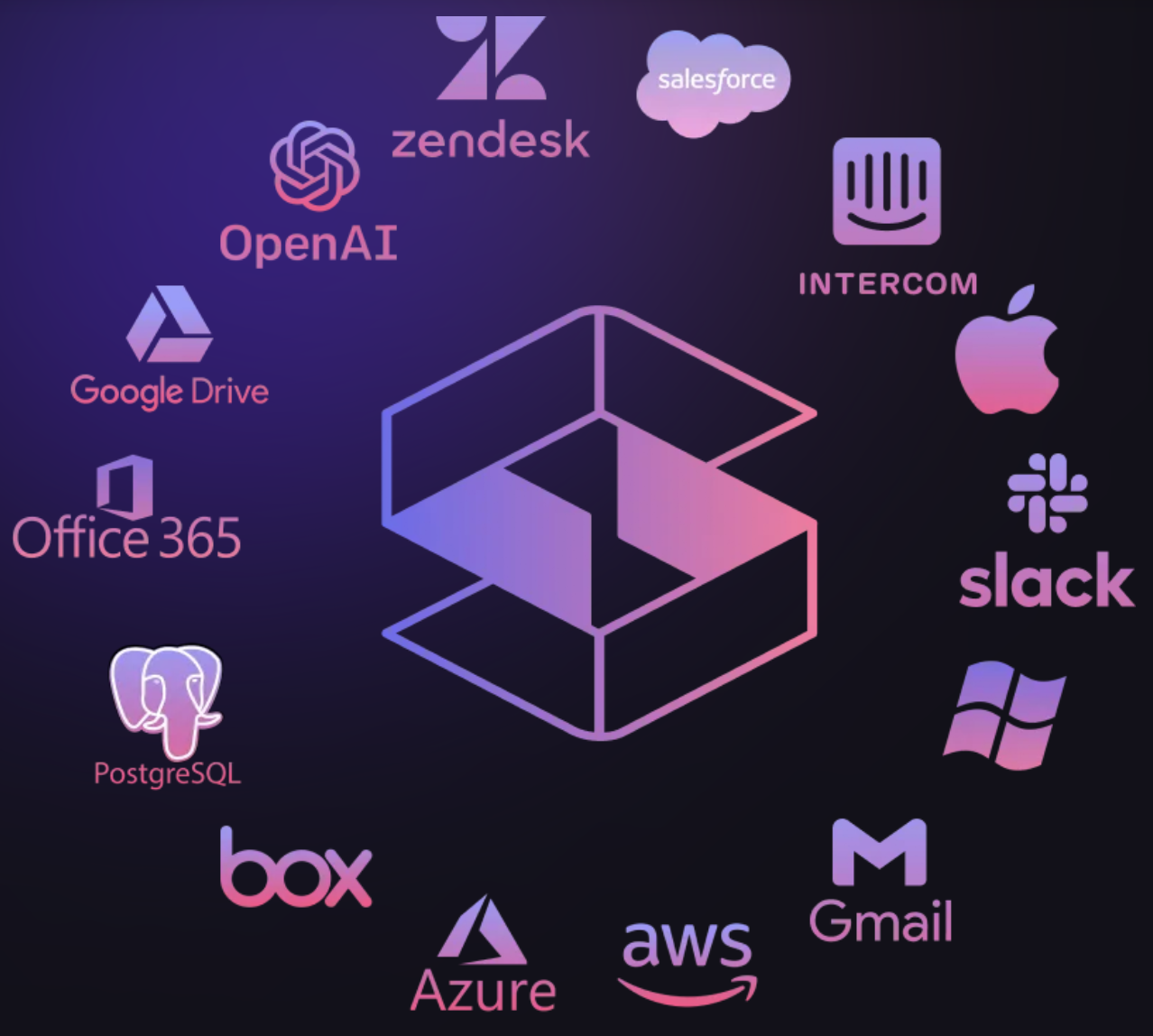
Today's sensitive information moves continuously between:
Data rarely stays in one location. It is copied, summarized, shared with AI models, uploaded into tickets, pasted into chats, synchronized across cloud services, and processed automatically by AI agents.
Because of this, modern DLP objectives are no longer just about preventing data loss.
They are about knowing where sensitive data exists, understanding how it moves, and automatically protecting it before it creates risk.

Data Loss Prevention (DLP) objectives are the measurable security goals an organization establishes to reduce the exposure of sensitive information while enabling employees to work productively.
These objectives typically include:
Rather than relying on manual security processes, modern DLP solutions continuously monitor and protect data wherever it lives.
The first objective is knowing where sensitive information exists.
Many organizations don't realize customer information exists inside:
Without continuous discovery, security teams are protecting only a fraction of their data.
Modern DLP solutions continuously discover structured and unstructured sensitive data across SaaS applications, cloud storage, endpoints, and AI environments.

Finding data isn't enough.
Organizations also need to understand what type of sensitive information they have.
This includes:
Accurate classification reduces false positives while ensuring the right policies are applied automatically.
One of the biggest additions to DLP objectives in 2026 is AI security.
Employees increasingly paste sensitive information into:
Without controls, confidential information can unintentionally leave approved environments.
Modern DLP objectives should include monitoring, detecting, and remediating sensitive information flowing into AI applications before exposure occurs.

Traditional DLP generated alerts.
Modern DLP automatically fixes problems.
Examples include:
Inline remediation significantly reduces response time while minimizing operational disruption.
Sensitive information no longer lives inside a single network.
Organizations need visibility across:
A modern DLP objective should be protecting data consistently regardless of where employees work.
Not every data breach comes from hackers.
Employees can accidentally expose sensitive information by:
Continuous monitoring and behavioral policies help reduce accidental and intentional insider threats.
Organizations must demonstrate compliance with regulations such as:
Instead of preparing for audits manually, DLP objectives should include continuous monitoring, automated remediation, policy enforcement, and reporting that simplifies compliance efforts.
Security should protect the business without slowing employees down.
Modern DLP solutions should minimize:
The goal is enabling secure collaboration instead of restricting productivity.
Organizations implementing modern DLP objectives reduce several major security risks.
Sensitive information is protected before it leaves approved environments.
Employees can safely adopt AI without exposing customer or regulated information.
Continuous monitoring helps identify suspicious behavior before sensitive data is lost.
Automated detection and remediation reduce the likelihood of regulatory penalties.
Organizations maintain visibility over proprietary information across cloud platforms and collaboration tools.
Continuous discovery provides visibility into where sensitive information accumulates across the SaaS ecosystem.
When evaluating DLP platforms in 2026, organizations should prioritize solutions that provide:
Solutions that only generate alerts are increasingly insufficient for today's data environments.
Traditional DLP platforms were built for email gateways and corporate networks.
Strac was designed for modern SaaS, cloud, AI, and distributed work environments.
Organizations use Strac to:
Rather than simply identifying sensitive data, Strac helps organizations continuously discover, classify, protect, and remediate it across the environments where modern work actually happens.
Data loss prevention is no longer just about stopping files from leaving the organization. In 2026, it is about continuously discovering sensitive data, understanding where it lives, monitoring how it moves across SaaS applications, cloud storage, AI assistants, browsers, and endpoints, and automatically remediating risks before they become incidents.
The most successful organizations treat DLP as a continuous data security strategy rather than a collection of blocking rules. By combining Data Security Posture Management (DSPM), AI-aware protection, inline remediation, and compliance automation, businesses gain complete visibility into their sensitive data while reducing operational overhead and compliance risk.
Strac helps organizations achieve these modern DLP objectives through a unified, agentless DSPM + DLP platform that continuously discovers, classifies, and protects sensitive information across SaaS applications, cloud platforms, endpoints, browsers, and AI workflows. Instead of simply alerting security teams after data has been exposed, Strac helps organizations automatically remediate risks in real time, making data protection faster, smarter, and significantly more effective.
The primary objectives of Data Loss Prevention are to discover sensitive data, classify it accurately, prevent unauthorized access or sharing, reduce insider risks, protect AI workflows, automate compliance, and remediate data exposure before it leads to a security incident. Modern DLP solutions also focus on providing continuous visibility across SaaS applications, cloud environments, endpoints, and browsers rather than only monitoring traditional networks.
AI has fundamentally changed how sensitive information moves within organizations. Employees now interact daily with tools like ChatGPT, Microsoft Copilot, Claude, and Gemini, creating new opportunities for accidental data exposure. Modern DLP objectives now include detecting sensitive information before it reaches AI models, monitoring AI interactions, protecting prompt and response data, and automatically redacting confidential information from AI workflows.
Traditional DLP focused primarily on blocking emails, USB devices, and network transfers. Modern DLP protects sensitive data across SaaS applications, cloud storage, endpoints, browsers, APIs, AI assistants, and collaboration platforms. It also combines continuous data discovery, Data Security Posture Management (DSPM), machine learning-based detection, and automated remediation to provide much broader protection than legacy DLP solutions.
Data Security Posture Management (DSPM) complements DLP by continuously discovering where sensitive data exists, identifying misconfigurations, mapping data exposure risks, and providing visibility into the organization's entire data estate. When combined with DLP, DSPM enables organizations to not only prevent data loss but also understand where sensitive information resides before it becomes vulnerable.
Strac combines DSPM and DLP into a single, agentless platform that continuously discovers, classifies, monitors, and protects sensitive data across SaaS applications, cloud platforms, endpoints, browsers, APIs, and AI tools. Using content-aware machine learning, OCR, and inline remediation, Strac can automatically detect, redact, mask, quarantine, block, or encrypt sensitive information in real time, helping organizations reduce security risks while simplifying compliance with frameworks such as GDPR, HIPAA, PCI DSS, SOC 2, ISO 27001, and more. Spicy
.avif)


.gif)


.webp)