August 18, 2026

7
min read
A Deep Dive into DLP Monitoring and Its Role in Cybersecurity
Understanding DLP Monitoring: Safeguarding Sensitive Data in a Complex Digital Landscape
Sensitive data breaches pose significant risks to organizations, threatening financial stability and reputational integrity. Data Loss Prevention (DLP) monitoring is crucial in safeguarding this information by continuously tracking data movements and enforcing protection policies.
Strac.io addresses these challenges by offering a robust DLP solution that integrates seamlessly with existing systems. With its real-time monitoring and extensive SaaS and cloud integrations, Strac.io enhances data protection by accurately detecting, classifying, and redacting sensitive information, ensuring compliance & minimizing the risk of unauthorized access.
Data Loss Prevention (DLP) monitoring is a critical component of data security strategies aimed at protecting sensitive data from unauthorized access, theft, & loss. It involves the continuous observation of data across various environments—on-premises, cloud, and endpoint devices—to identify and mitigate risks before data breaches occur.
DLP monitoring enhances visibility into data handling practices within an organization, enabling the enforcement of data protection policies and ensuring compliance with regulatory standards.

DLP monitoring is vital for protecting sensitive information from breaches, securing compliance with regulations like GDPR & HIPAA, and maintaining organizational integrity. By providing visibility into data usage patterns & potential vulnerabilities, DLP monitoring helps organizations respond swiftly to threats and minimize risks associated with data loss.
To effectively implement data handling policies, organizations should:


DLP monitoring can initiate various remediation actions when violations are detected:
Additional actions include labeling, deletion, encryption, and establishing approval workflows for accessing sensitive information.
In practice, DLP monitoring helps organizations mitigate risks associated with insider threats, accidental leaks, and compliance failures. By implementing robust DLP solutions, businesses can protect their intellectual property while adhering to regulatory requirements.
Endpoint DLP focuses on monitoring devices such as laptops and mobile phones that store or process sensitive data. This type of DLP ensures that even when devices are offline, they remain protected by enforcing policies related to file transfers, printing, and clipboard usage.

Common threats addressed by DLP solutions include:
Implementing DLP can be challenging due to the variety of file formats that need monitoring and the complexity of managing multiple cloud endpoints where sensitive data may reside. Organizations must develop comprehensive strategies that encompass all potential breach vectors to overcome these challenges.
Effective tactics include establishing clear data classification protocols, implementing user access controls based on roles, regularly training employees on data handling best practices, and utilizing encryption for sensitive information both at rest and in transit.
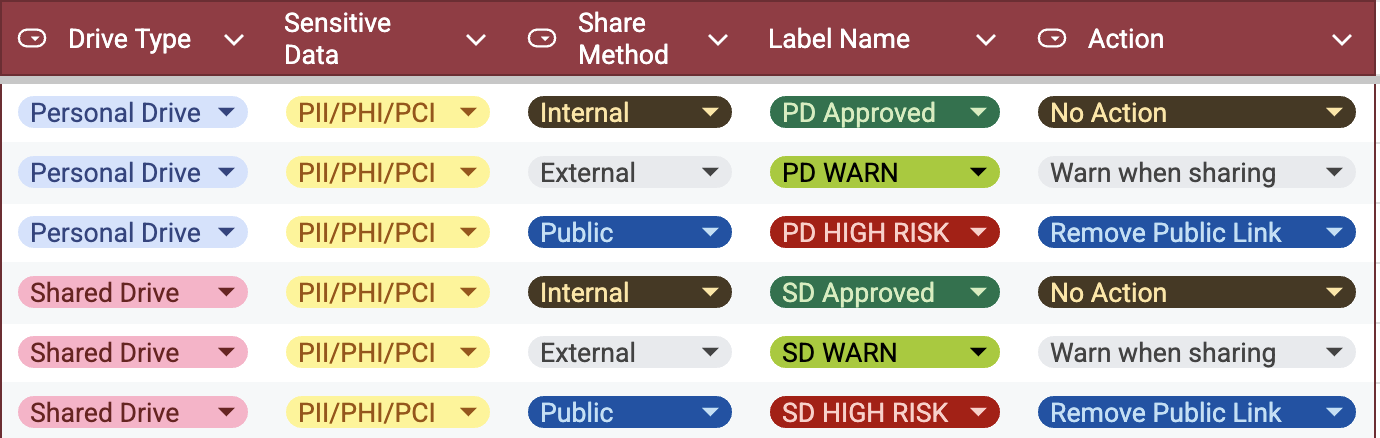
DLP solutions often integrate various tools such as network monitoring tools to track data in transit; endpoint protection software for device-level monitoring; and cloud security solutions for safeguarding cloud-stored data.
Organizations should adopt a phased approach when deploying DLP solutions:
Strac.io provides a comprehensive solution for enhancing Data Loss Prevention strategies through its advanced monitoring capabilities. Here’s how Strac.io can significantly improve an organization's approach to DLP:


By leveraging Strac.io’s innovative features—such as machine learning models for accurate detection of sensitive information—organizations can minimize false positives while effectively safeguarding their critical assets against potential breaches. The platform's ability to provide inline redaction capabilities ensures that sensitive text is masked or blurred within attachments before being shared externally.
Data Loss Prevention (DLP) monitoring is key to keeping sensitive information safe. It watches over data in places like offices, the cloud, and on devices. This makes sure data protection rules are followed and laws are kept.
Organizations face challenges when trying to protect data. They have to deal with different types of data and many devices. A step-by-step plan is needed. This includes checking current methods, setting goals, picking tools, and training staff.
Strac.io is a top choice for DLP. It has advanced tools for finding, classifying, and analyzing data in real-time. It also works well with cloud apps. Strac.io helps spot threats, hide sensitive info, and report on compliance.
Using Strac.io helps reduce false alarms. It gives full protection to sensitive data. This boosts security and meets legal standards in our digital world.
No. Good DLP monitoring focuses on sensitive data and risky actions, not spying on employees. The goal is to identify when PII, PHI, PCI, credentials, intellectual property, or other confidential data is exposed or moved somewhere it should not be. Modern DLP can then enforce policy with actions such as redaction, masking, blocking, or alerting.
Because sensitive data no longer lives behind one corporate perimeter. It moves through SaaS apps, cloud storage, endpoints, support tickets, email, browsers, APIs, and GenAI tools. DLP that monitors only email, networks, or endpoints leaves major blind spots; modern programs need visibility and enforcement across the full data journey.
Absolutely not. Overblocking creates frustrated employees, false positives, and security workarounds. Effective DLP understands what the data is, where it is going, and what action is appropriate; then applies controls such as audit, warn, redact, mask, block, delete, or encrypt instead of treating every event the same.
It can, but only if the DLP actually covers GenAI workflows. Modern DLP should inspect prompts, uploads, and other AI interactions for sensitive information before exposure occurs. This is increasingly important as employees use AI tools alongside SaaS, cloud, and endpoint workflows.
Modern DLP goes beyond generating alerts. Platforms such as Strac combine sensitive data discovery and classification with real-time enforcement across SaaS, cloud, endpoints, and AI workflows; remediation can include redaction, masking, blocking, and deletion. The result is a shift from “we detected a leak” to “we prevented the sensitive data from leaking.”
.avif)


.gif)


.webp)