Compare the top data loss prevention products in 2026 including Strac, Zscaler, Netskope, Trend Micro, and Acronis. Learn which DLP platform is best for SaaS, Cloud, GenAI, Browser, and Endpoint protection, and why modern organizations are moving toward unified DLP + DSPM solutions like Strac.
Modern DLP is no longer just endpoint or email protection. Organizations now need unified protection across SaaS apps, Cloud, Browser, GenAI tools like ChatGPT and Copilot, and employee endpoints.
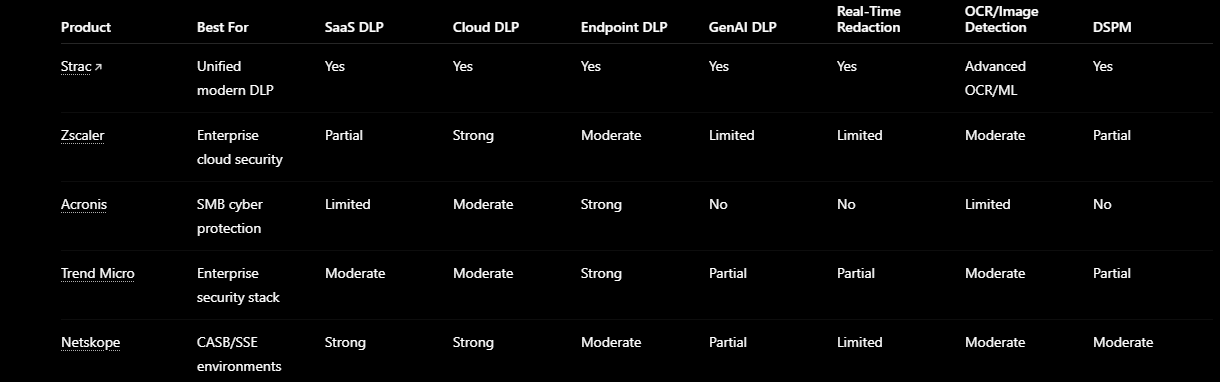
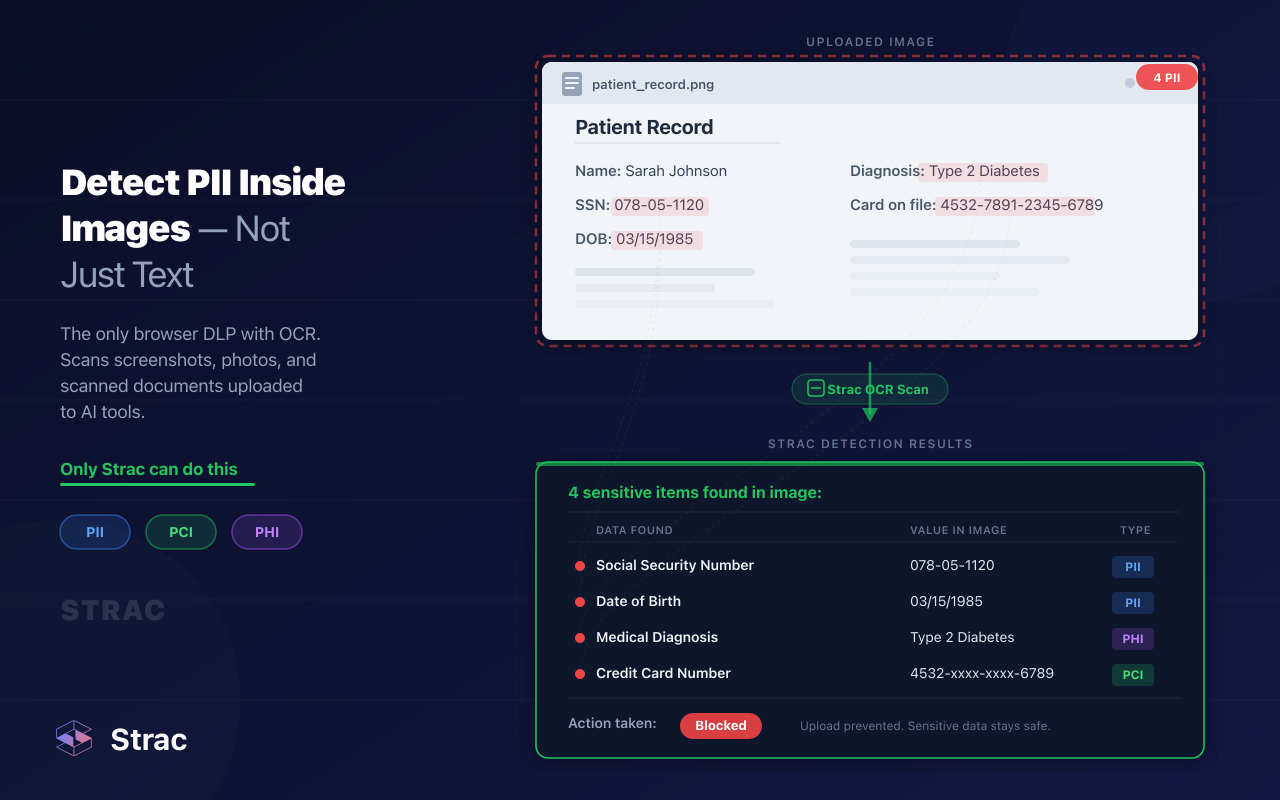
Strac stands out as a modern unified DLP + DSPM platform with real-time redaction, SaaS-native integrations, AI governance, OCR scanning, and Endpoint DLP in one solution.
Zscaler and Netskope are strong enterprise cloud security platforms but are more infrastructure and CASB-focused.
Trend Micro and Acronis provide broader cybersecurity suites but are less specialized for modern SaaS and GenAI DLP workflows.
Modern buyers increasingly prioritize real-time remediation, AI prompt protection, OCR for screenshots/files, low false positives, and unified DSPM + DLP visibility across their entire data ecosystem.
Legacy DLP tools were built for networks and endpoints. Modern organizations now need unified visibility across SaaS, Cloud, GenAI, Browser, and Endpoints with real-time remediation; not just alerting. This updated data loss prevention products comparison looks at how leading platforms stack up in today’s AI-driven environments, with a deeper focus on why Strac has become one of the most modern DLP + DSPM platforms in the market.
Why Traditional DLP Is Failing in 2026
Here's the section with links. None of them repeat a URL from the previous section.
Most traditional DLP products were designed before SaaS exploded and before employees started uploading internal documents into AI tools. Today, sensitive data lives in Slack threads, Zendesk tickets, Salesforce records, screenshots, PDFs, Google Drive folders, AI prompts, browser sessions, and cloud databases.
That creates several problems legacy DLP struggles with:
This is exactly where newer platforms like Strac differentiate.
✨ Data Loss Prevention Products Comparison Table
DLP Product Compariison
🎥 1. Strac — Best Unified DLP + DSPM Platform
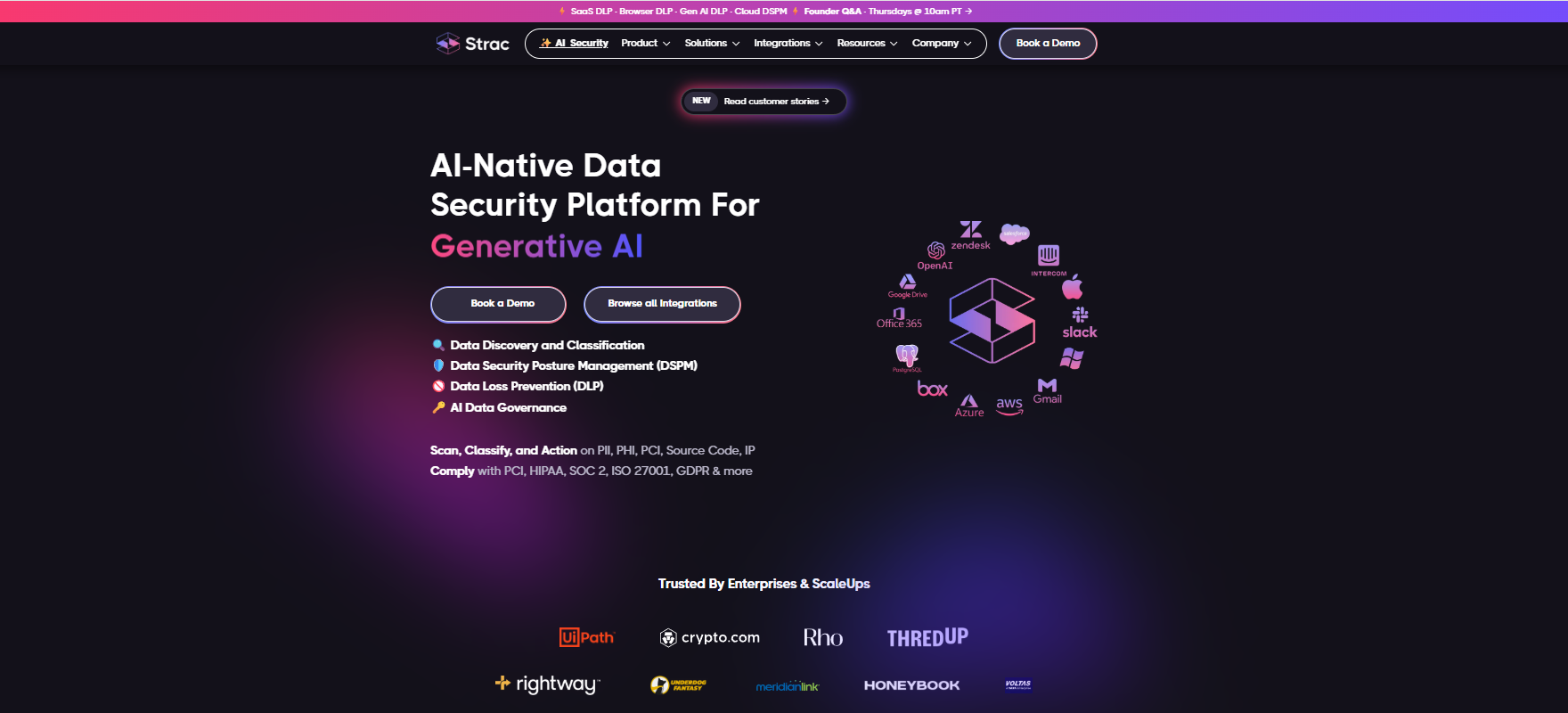
Strac is one of the few platforms built specifically for modern SaaS, Cloud, GenAI, Browser, and Endpoints. Instead of focusing only on email or endpoint agents, Strac unifies DSPM and DLP into a single platform with automated remediation.
What makes Strac different is that it is designed around how sensitive data actually moves in modern organizations:
SaaS applications
Cloud storage
AI prompts and responses
Browser sessions
Internal collaboration tools
Support tickets
Endpoints
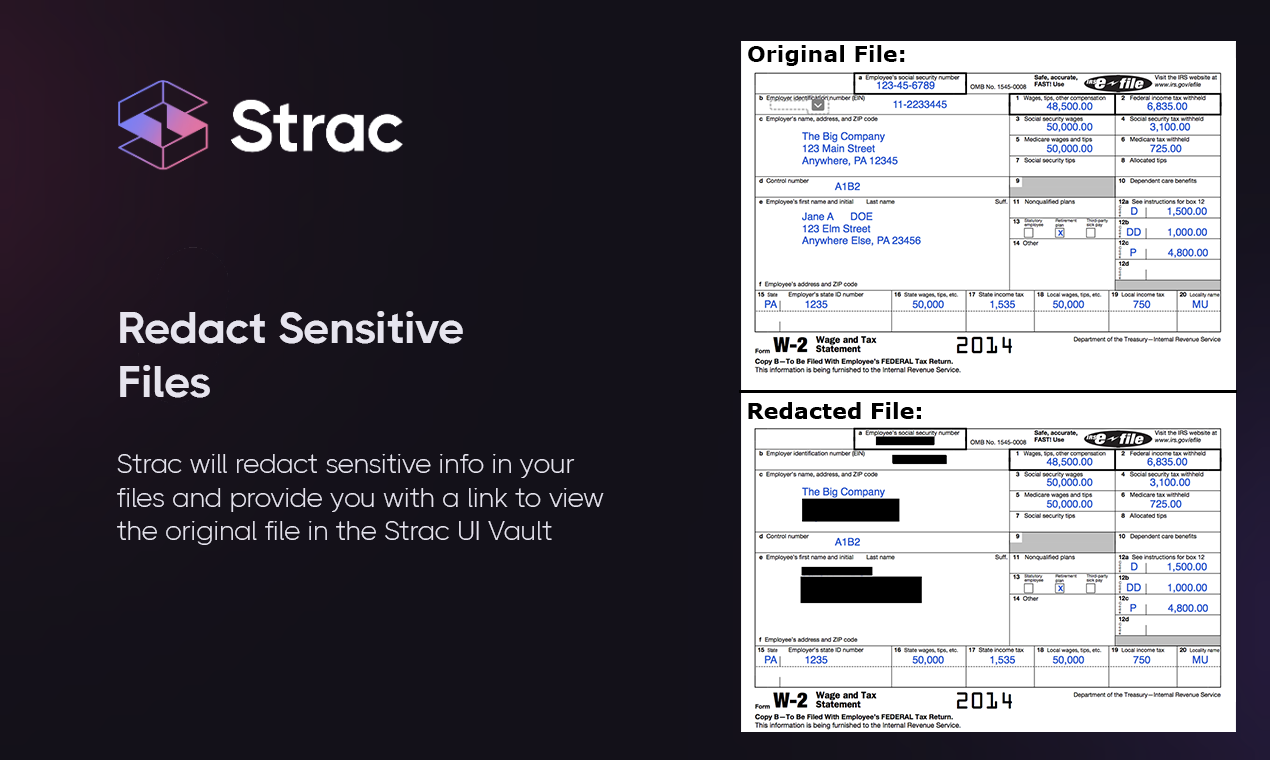
Unlike many legacy vendors that primarily alert, Strac focuses heavily on inline remediation:
Another major differentiator is remediation. Many tools stop at detection. Strac actively redacts or blocks sensitive data in real time inside SaaS workflows like Slack, Zendesk, Salesforce, and AI prompts.
Best For
Companies using heavy SaaS ecosystems
AI adoption governance
Organizations needing unified DLP + DSPM
Teams handling PII, PHI, PCI, or secrets
Fast-growing companies that want fast deployment without heavy agents
2. Zscaler
Zscaler is one of the largest enterprise cloud security vendors and is heavily adopted in large organizations pursuing Zero Trust architectures.
Zscaler’s strengths are:
SSE/SASE architecture
CASB functionality
Network security
Cloud access controls
Enterprise scalability
However, compared to newer DLP-native platforms, Zscaler can feel more infrastructure-heavy and network-centric.
Strengths
Strong cloud security ecosystem
Enterprise-grade architecture
Mature Zero Trust positioning
Large enterprise adoption
Weaknesses
GenAI governance is still evolving
SaaS remediation is less granular
More complex deployment
DLP experience can feel fragmented across modules
Best For
Large enterprises already invested in Zscaler infrastructure
Organizations prioritizing network-centric Zero Trust
3. Acronis
Acronis is more focused on backup, recovery, endpoint protection, and MSP-oriented cybersecurity services.
Its DLP capabilities are not as comprehensive as dedicated SaaS-first DLP vendors.
Strengths
Strong backup and disaster recovery
Good MSP ecosystem
Endpoint protection capabilities
Integrated cyber protection stack
Weaknesses
Limited SaaS-native DLP
Minimal GenAI governance
Less mature DSPM functionality
Limited real-time SaaS remediation
Best For
SMBs prioritizing backup + endpoint protection
MSP-managed environments
4. Trend Micro
Trend Micro has a mature enterprise security portfolio spanning endpoint, email, cloud, and workload security.
Trend Micro offers solid DLP functionality but is generally positioned as part of a broader cybersecurity ecosystem rather than a SaaS-native modern DLP platform.
Strengths
Mature enterprise security suite
Strong endpoint security
Broad security coverage
Good enterprise support
Weaknesses
More traditional DLP architecture
SaaS workflows less modernized
AI-native controls less mature
Heavier operational complexity
Best For
Enterprises already using Trend Micro security products
Traditional endpoint-heavy environments
5. Netskope
Netskope performs well in cloud access governance and SaaS visibility but often requires more tuning and operational overhead for modern DLP workflows.
Strengths
Strong CASB functionality
Good cloud visibility
Mature SSE/SASE positioning
Enterprise scalability
Weaknesses
AI governance still maturing
Real-time remediation can be complex
SaaS-native inline redaction less extensive
Operational tuning overhead
Best For
Enterprises building SSE/SASE architectures
Organizations prioritizing CASB visibility
✨Why Strac Is Emerging as a Modern DLP Leader
The DLP market is changing rapidly because sensitive data no longer lives only on endpoints or inside email systems.
Modern organizations now need:
SaaS DLP
AI DLP
Browser DLP
Cloud DLP
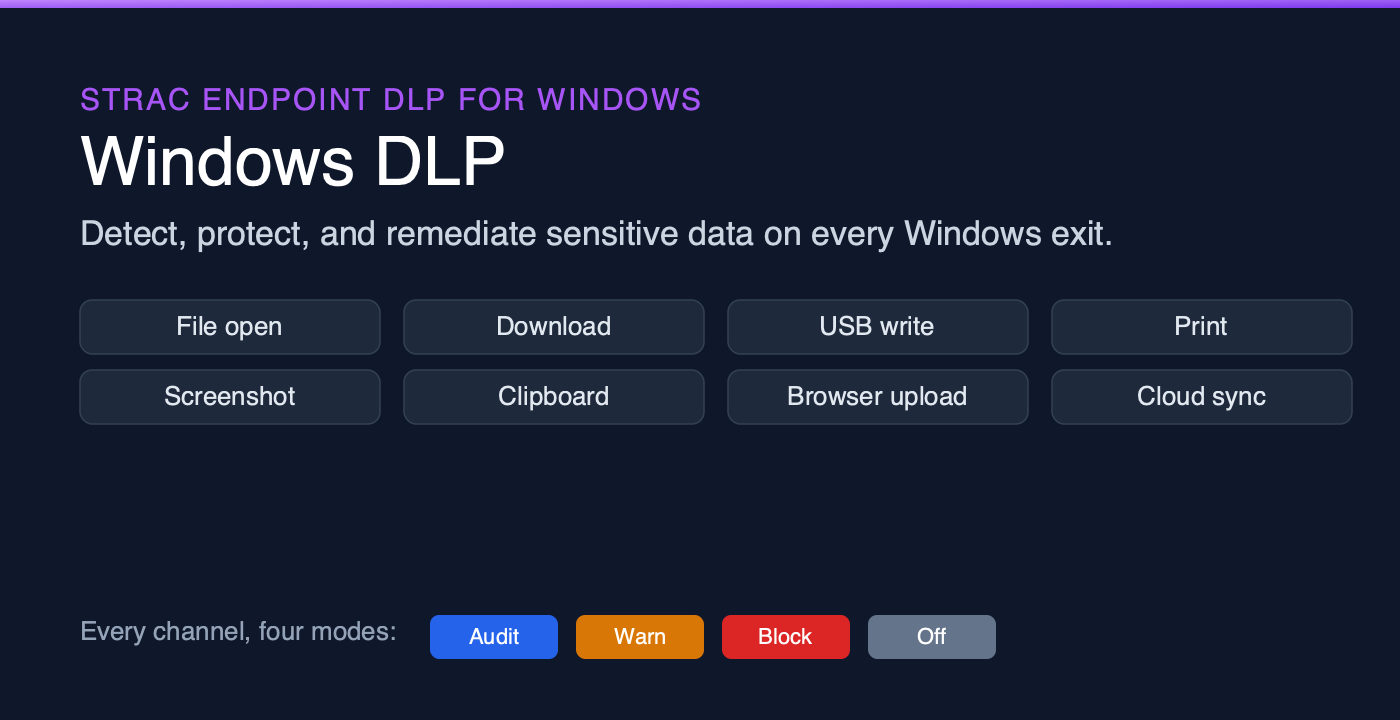
Endpoint DLP
DSPM
Real-time remediation
OCR for screenshots and files
AI governance
This is where Strac differentiates itself from older architectures.
Instead of bolting AI governance onto legacy systems, Strac was built around:
SaaS-first workflows
AI-era data movement
Real-time redaction
Unified discovery + remediation
Low-friction deployment
Modern integrations
The result is a platform that feels significantly more aligned with how companies actually operate in 2026.
Bottom Line
Choosing the right data loss prevention platform now depends less on traditional endpoint controls and more on how well the platform protects sensitive data across SaaS, AI, cloud, browsers, and endpoints together.
For organizations heavily using Slack, Google Workspace, Salesforce, Zendesk, AI tools, and cloud environments, modern unified DLP platforms like Strac are becoming increasingly attractive because they combine:
Legacy DLP still works for many traditional environments. But for SaaS-heavy and AI-driven organizations, the market is clearly shifting toward platforms designed specifically for modern data movement patterns.
🌶️ Spicy FAQs About Data Loss Prevention Products
What is the best DLP product in 2026?
For modern SaaS, AI, and cloud-heavy organizations, Strac is emerging as one of the strongest modern DLP + DSPM platforms because it combines SaaS, Cloud, Endpoint, Browser, and GenAI protection in one solution.
Which DLP products support ChatGPT and AI tools?
Modern platforms like Strac support AI governance for ChatGPT, Gemini, Claude, and Copilot with browser and GenAI DLP capabilities.
What is the difference between DSPM and DLP?
DSPM focuses on discovering, classifying, and understanding sensitive data posture, while DLP focuses on preventing exposure or exfiltration. Modern platforms increasingly combine both together.
Which DLP solution has the best SaaS integrations?
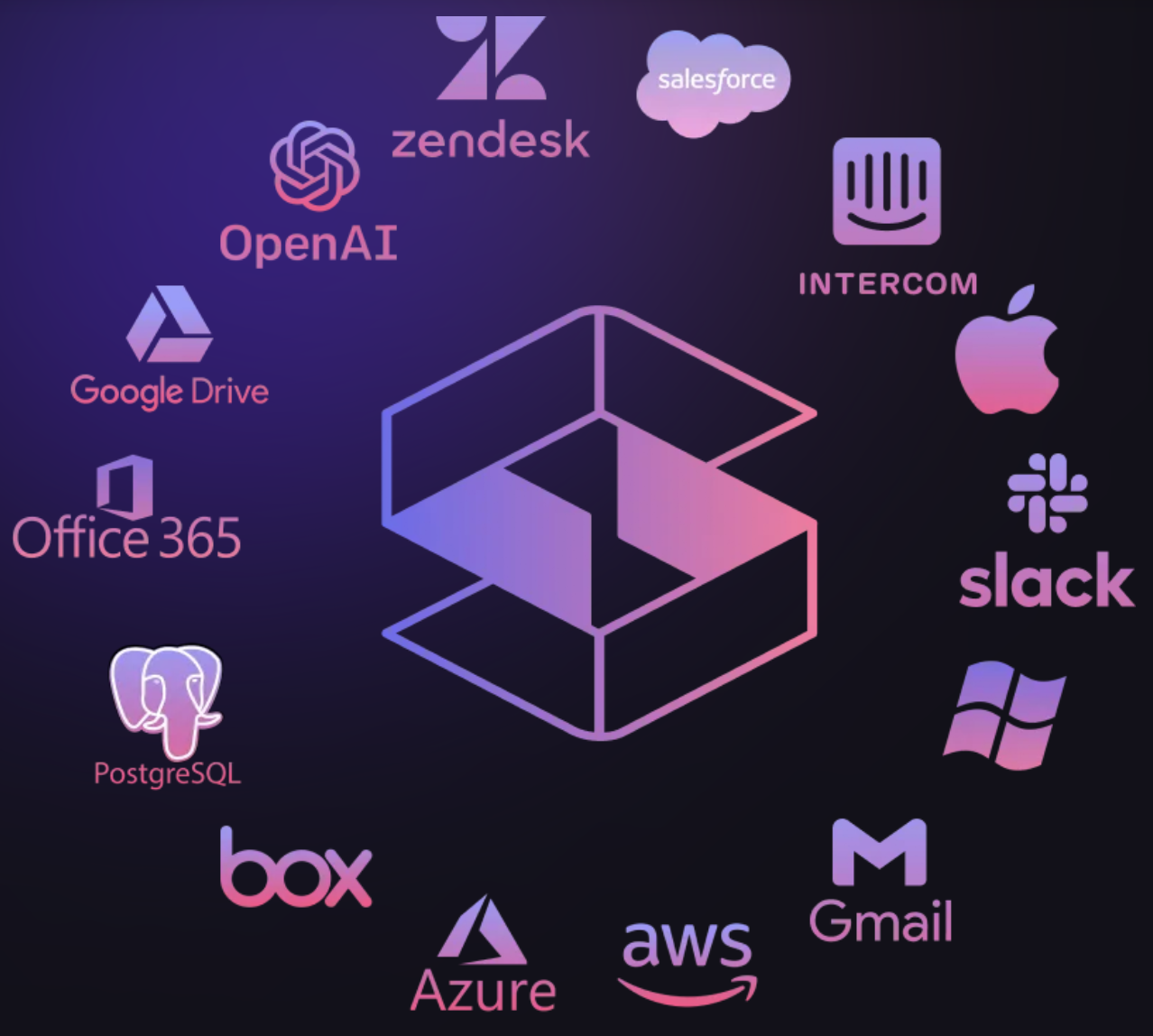
Strac stands out for broad SaaS-native integrations including Slack, Zendesk, Salesforce, Gmail, Google Drive, Intercom, Notion, O365, Jira, Confluence, and more.
Why are traditional DLP tools struggling with AI?
Most legacy DLP tools were designed before GenAI workflows existed and often lack browser-level prompt inspection, AI response scanning, or inline AI remediation capabilities.
Discover & Protect Data on SaaS, AI, MCP, Endpoints & Cloud
Strac provides end-to-end data loss prevention for all SaaS and Cloud apps. Integrate in under 10 minutes and experience the benefits of live DLP scanning, live redaction, and a fortified SaaS environment.


.webp)







.avif)




.gif)
