September 15, 2026

7
min read
Data Loss Prevention Procedures
Learn what data loss prevention procedures are, why they matter in 2026, and how to protect sensitive data across SaaS, cloud, AI, endpoints, browsers, and MCP environments.
· Data loss prevention (DLP) procedures are thepolicies, workflows, and technologies organizations use to prevent sensitivedata from being exposed or leaving approved environments.
· Modern DLP extends beyond email and endpoints toprotect SaaS applications, cloud storage, browsers, AI tools, and MCP servers.
· Effective procedures reduce insider risk,accidental data leaks, regulatory violations, and AI-driven data exposure.
· A modern DLP strategy should combine datadiscovery, classification, real-time monitoring, inline remediation, andcontinuous policy enforcement.
· Strachelps organizations protect sensitive data across SaaS, cloud, endpoints,browsers, GenAI applications, and MCP environments from a single platform.
Data loss prevention (DLP) procedures are the policies, processes, and technologies organizations use to identify, monitor, and protect sensitive information throughout its lifecycle.
The goal isn't simply to stop data from leaving your organization. It's to ensure confidential information is only accessed, shared, and stored in approved ways, regardless of where employees work.
In 2026, sensitive data moves through dozens of business applications every day. Employees collaborate in Slack, upload files to Google Drive, paste customer information into ChatGPT, share documents in Microsoft 365, and interact with AI assistants inside CRM platforms. Modern DLP procedures must protect data across all of these environments, not just email or company laptops.
Rather than relying solely on blocking actions, modern DLP combines continuous visibility with automated remediation, allowing organizations to detect, redact, quarantine, encrypt, or coach users before sensitive information is exposed.
Organizations continuously monitor SaaS applications like Google Workspace, Microsoft 365, Salesforce, Slack, Zendesk, and Jira for sensitive information. When regulated data is detected, policies can automatically redact, quarantine, or restrict access before it becomes a security risk.
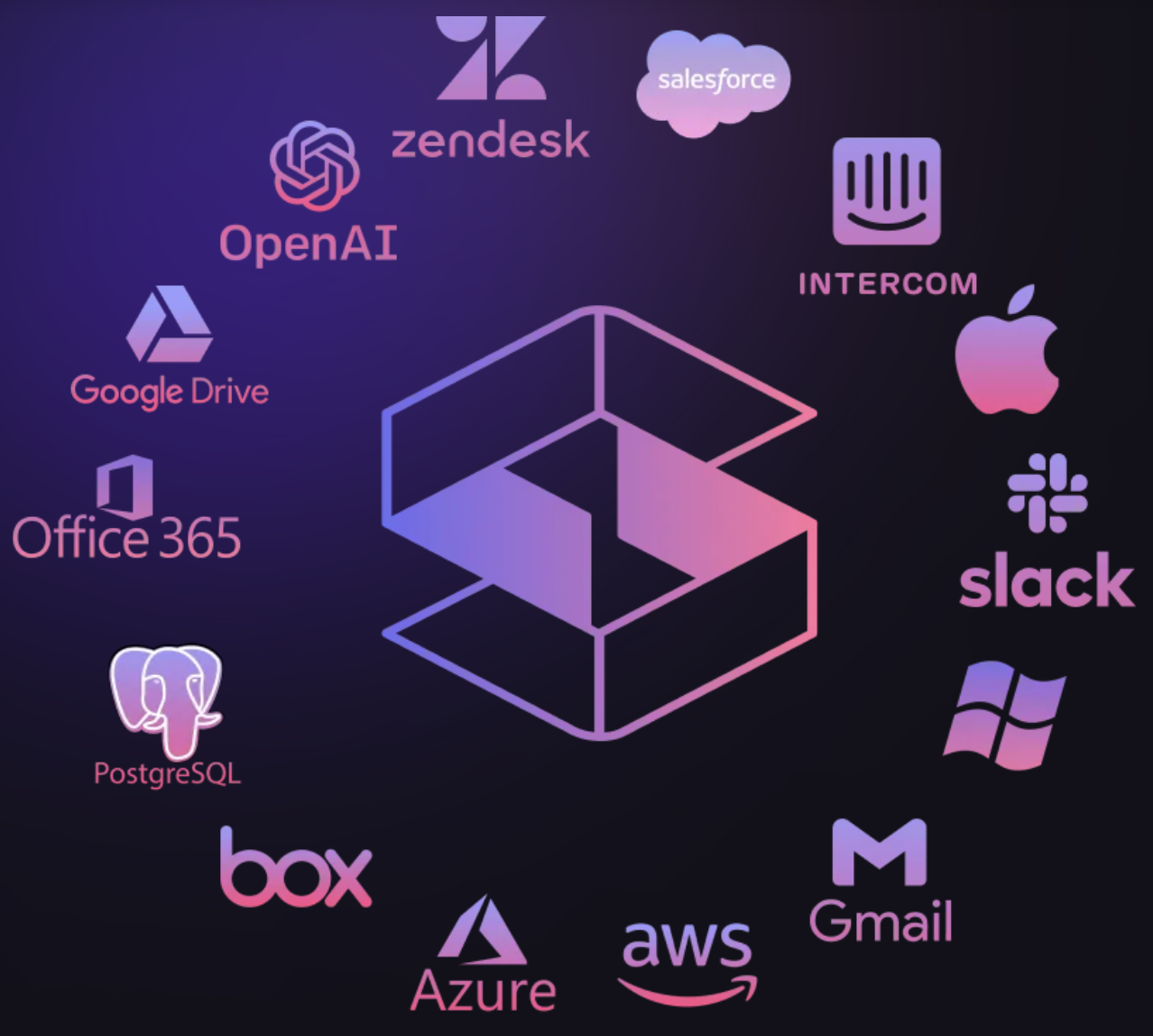
Example: A customer support agent accidentally pastes a customer's credit card number into a Slack channel. The DLP policy automatically masks the card number before other employees can view it.
Sensitive information is increasingly exposed through browser uploads and copy-and-paste actions rather than traditional file transfers.
Modern DLP procedures inspect data before it reaches websites, cloud applications, or personal accounts.
.gif)
Example: An employee attempts to upload an internal financial report to a personal Google Drive account. The upload is blocked because the document contains confidential financial data.
AI assistants have introduced an entirely new data loss vector.
Organizations now implement DLP procedures that inspect prompts, responses, attachments, and AI-generated content before sensitive information reaches public or private language models.
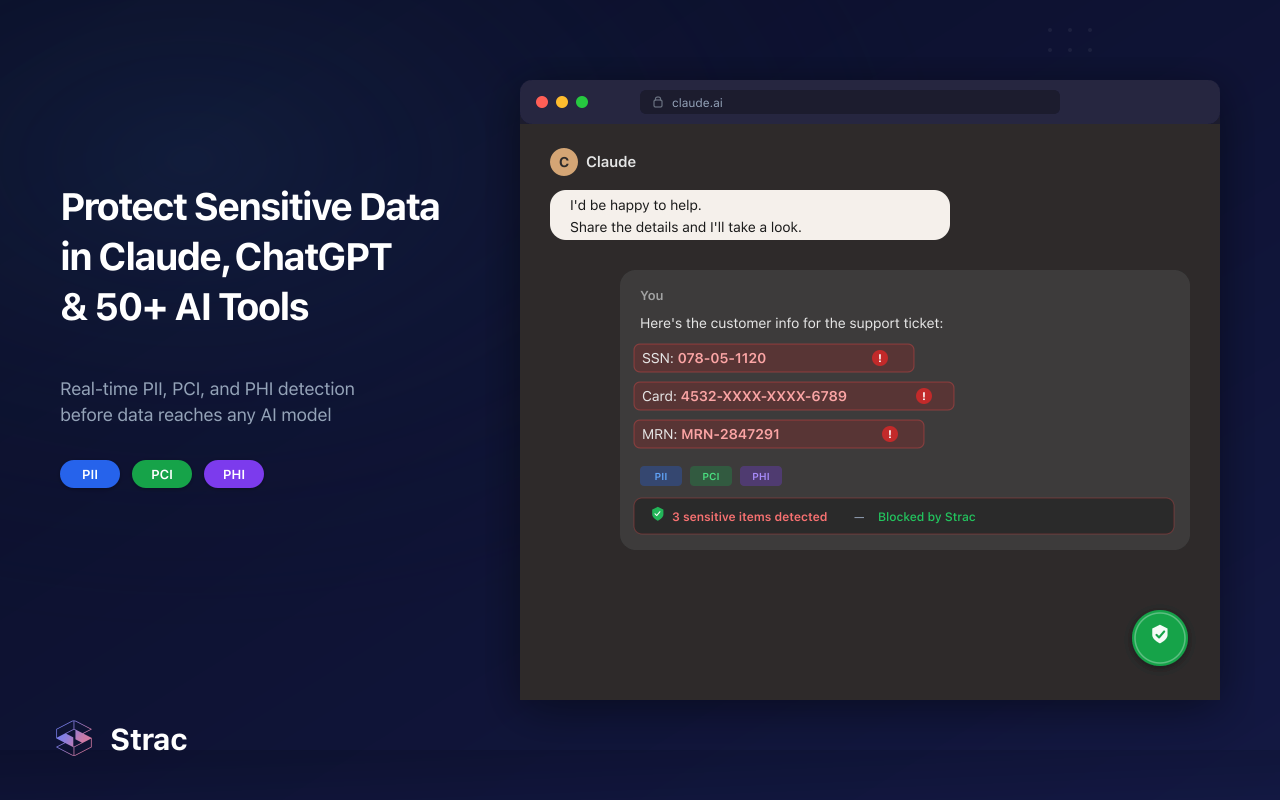
Example: An engineer pastes proprietary source code into ChatGPT. The DLP policy detects intellectual property and automatically redacts the sensitive sections before the prompt is submitted.
As Model Context Protocol (MCP) adoption grows, AI agents gain direct access to enterprise systems, databases, APIs, and business applications.
Modern DLP procedures inspect information flowing between AI agents and MCP servers to prevent sensitive business data from being unintentionally exposed.
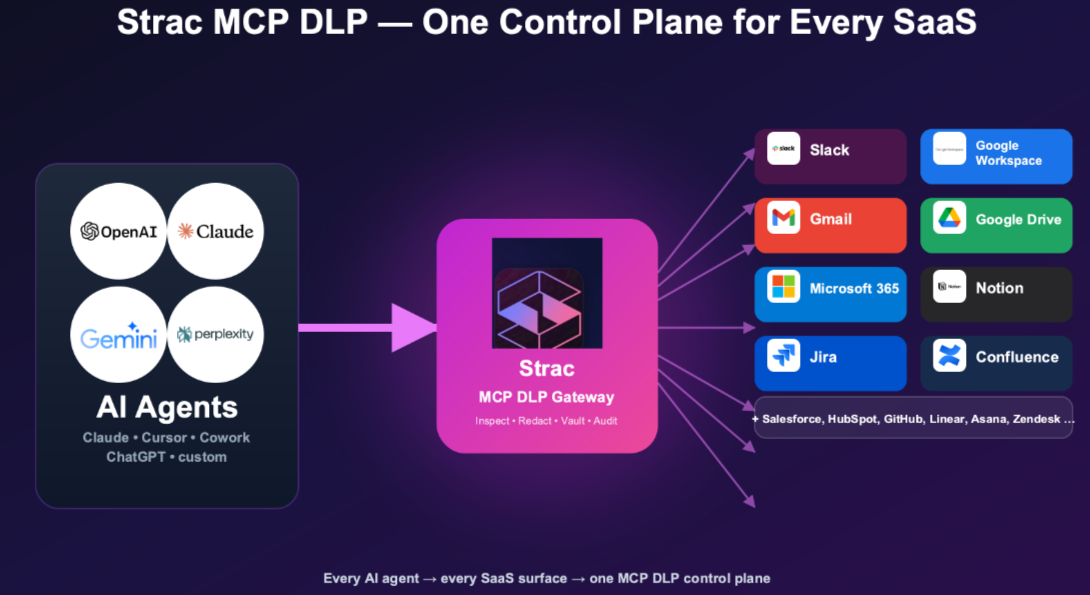
Example: An AI agent retrieves payroll records from an HR system through an MCP connector. Before the response reaches the user, the DLP policy automatically masks employee Social Security numbers and bank account details.
Endpoints remain one of the most common sources of data loss.
Modern endpoint DLP procedures monitor file transfers, USB devices, local applications, screenshots, and clipboard activity to reduce insider risk without disrupting productivity.
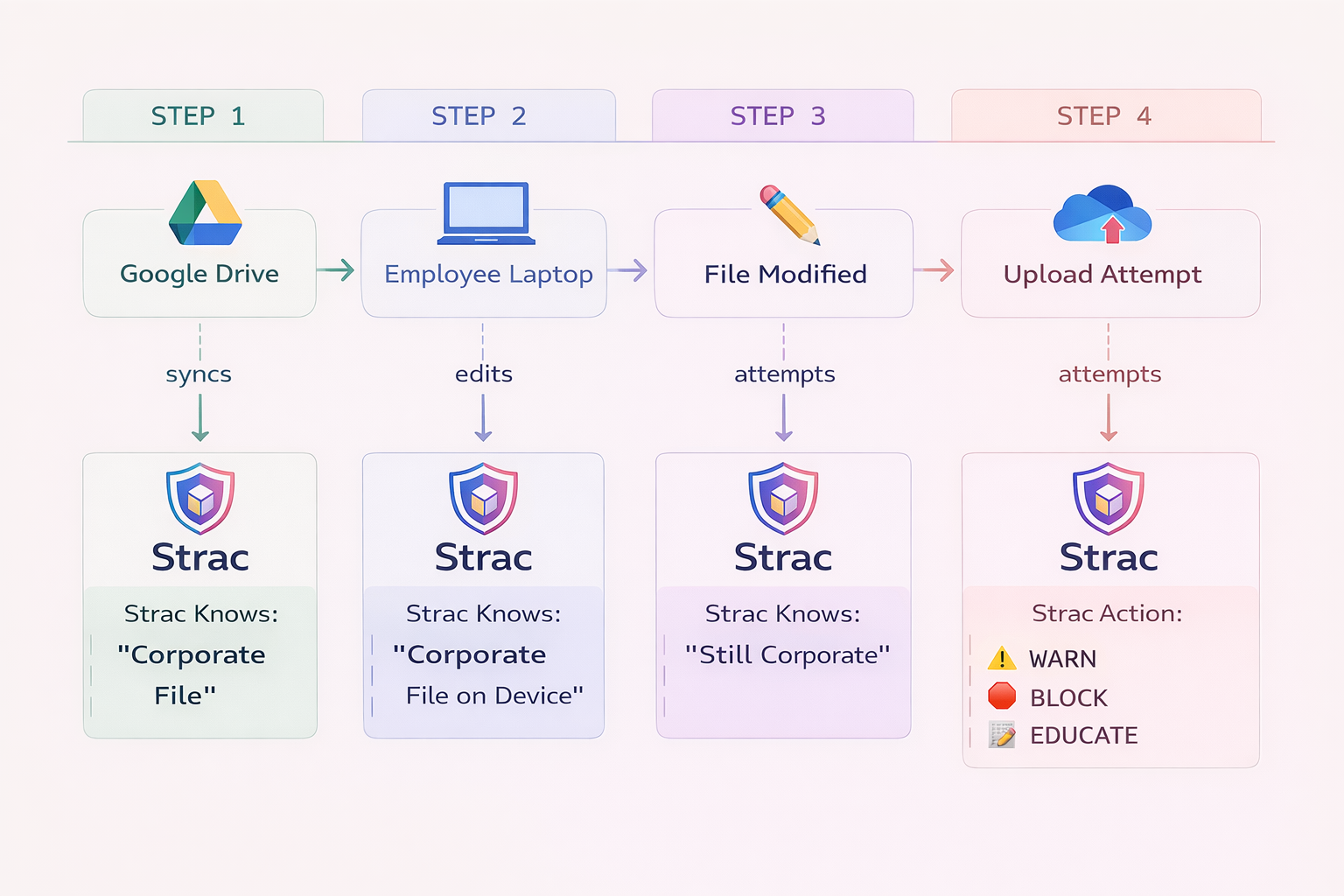
Example: An employee attempts to copy thousands of customer records onto a USB drive before leaving the company. The transfer is blocked, security is alerted, and the event is logged for investigation.
Sensitive data moves constantly between SaaS apps, cloud storage, AI tools, browsers, endpoints, and internal systems. Without clear DLP procedures, it's easy for confidential information to be accidentally shared or stolen.
Modern DLP procedures help organizations:
Employees can accidentally share sensitive information through email, cloud storage, chat apps, or AI tools. DLP helps catch these mistakes before data leaves your organization.
Whether intentional or accidental, employees can expose confidential data. DLP monitors risky activity like unauthorized uploads, downloads, and file sharing.
AI assistants have become a new source of data leakage. Modern DLP inspects prompts, responses, and uploads to prevent sensitive information from being shared with AI models.
As AI agents connect to business systems through MCP, organizations need visibility into what data those agents can access and share. DLP helps secure these interactions.
DLP procedures help protect regulated data and support compliance with standards like PCI DSS, HIPAA, GDPR, SOC 2, and ISO 27001.
Find and classify sensitive data wherever it lives, from SaaS apps and cloud storage to endpoints and AI platforms.
Modern DLP uses machine learning and OCR to accurately identify sensitive data, reducing the false positives common with regex-only detection.
Monitor data as it moves across your environment so threats can be stopped immediately.
The best DLP solutions don't just detect risks. They can automatically redact, block, quarantine, encrypt, or mask sensitive data before it's exposed.
Create policies based on users, departments, applications, or compliance requirements without slowing down business.
Traditional DLP was built for email and corporate networks. Modern organizations need protection across SaaS, cloud, endpoints, browsers, AI tools, and MCP environments.
Strac combines DSPM and DLP into one platform that discovers, monitors, and protects sensitive data wherever it lives.
Secure SaaS applications, cloud storage, endpoints, browsers, AI platforms, APIs, and MCP servers from a single platform.
Use machine learning and OCR to identify PII, PHI, PCI data, source code, secrets, and other sensitive information with fewer false positives.
Automatically redact, mask, block, quarantine, or encrypt sensitive data before it leaves your organization.
Get started quickly with an agentless platform that integrates easily into modern cloud environments.
Support PCI DSS, HIPAA, GDPR, SOC 2, ISO 27001, and other compliance frameworks with continuous monitoring and automated policy enforcement.
Data loss prevention procedures are no longer just about securing email or blocking USB drives. Today's organizations need to protect sensitive data wherever it moves, including SaaS applications, cloud storage, browsers, endpoints, AI tools, and MCP-connected systems.
The most effective DLP procedures combine data discovery, content-aware detection, real-time monitoring, and automated remediation to stop data leaks before they happen. By adopting a modern DLP platform like Strac, organizations can reduce risk, simplify compliance, and confidently embrace AI without compromising security.
Data loss prevention (DLP) procedures are the policies and security controls organizations use to detect, monitor, and protect sensitive data from unauthorized access, sharing, or loss across cloud, SaaS, endpoints, AI tools, and other business systems.
They help prevent data breaches, reduce insider risk, protect confidential business information, and support compliance with regulations like PCI DSS, HIPAA, GDPR, SOC 2, and ISO 27001.
Modern DLP should protect sensitive data across SaaS applications, cloud storage, browsers, endpoints, email, collaboration tools, AI assistants, APIs, and MCP environments—not just traditional networks.
DLP procedures define how an organization protects sensitive data through policies and processes. DLP software provides the technology to automatically discover, monitor, and enforce those procedures across the organization's data.
Strac combines DSPM and DLP into one platform that discovers, classifies, and protects sensitive data across SaaS, cloud, browsers, endpoints, GenAI, and MCP environments. It uses content-aware detection and automated remediation to reduce risk while minimizing false positives.
.avif)


.gif)


.webp)