October 1, 2026

6
min read
Data Loss Prevention Management
Learn how modern data loss prevention management protects sensitive data across SaaS, cloud, endpoints, GenAI, browsers, and MCP workflows.
· DLP management is the ongoing process ofdiscovering sensitive data, applying policy, monitoring how it moves, andremediating risky exposure.
· Modern programs must protect data across SaaS,cloud, endpoints, browsers, GenAI, and MCP-connected agent workflows, not emailalone.
· Discovery and classification without enforcementleave risk in place; DLP management needs controls that can redact, block,mask, quarantine, encrypt, delete, or coach users in context.
· Strong programs use data type, destination, useractivity, and channel context to reduce alert noise and apply proportionalcontrols.
· Stracunifies DSPM and DLP to help teams discover, classify, monitor, and remediatesensitive data across their modern data estate.
Data loss prevention management used to mean watching email and blocking a few risky file transfers. That model no longer matches where sensitive data moves. Today, customer records, credentials, source code, financial data, and health information flow through SaaS apps, cloud storage, browsers, employee endpoints, generative AI tools, and AI agents.
Effective DLP management gives security teams the visibility to find sensitive data, the context to understand risk, and the controls to act before an accidental share or deliberate exfiltration becomes an incident. This guide explains what modern DLP management involves, the risks it addresses, and how Strac brings DSPM and DLP together in one platform.
Data Loss Prevention management is the ongoing practice of protecting sensitive data from unauthorized access, disclosure, misuse, or loss. It combines the people, policies, processes, and technology needed to answer four practical questions:
It is not a one-time software deployment. A useful DLP program continuously discovers and classifies data, adapts policy to new systems and workflows, monitors risky movement, and provides evidence that controls are working.
DLP software is one part of DLP management. The broader program includes data ownership, data classification standards, access rules, incident response, exception handling, employee guidance, and ongoing policy tuning.For example, a policy may allow a marketing image to be shared externally, warn an employee who is about to paste a customer record into an unsanctioned AI tool, and block an attempt to upload cardholder data to a personal cloud drive. The technology enforces those decisions; the management program defines why they are appropriate and reviews whether they remain effective.
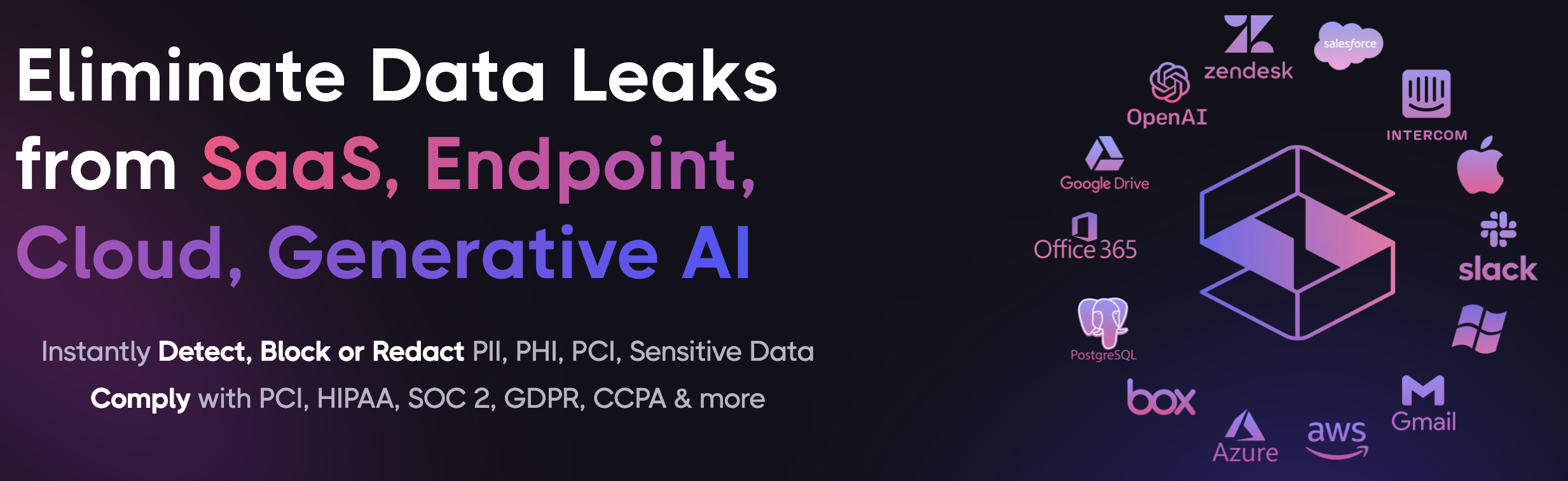
The attack surface for sensitive data is much broader than it was a few years ago. A support agent can receive PHI in a ticket attachment. A developer can accidentally paste an API key into a public repository. An employee can upload a customer spreadsheet into a GenAI prompt. An AI agent can call an MCP tool and retrieve or transmit data far faster than a person could.
The common problem is not simply that data exists in many places. It is that data can move between systems, people, and AI workflows before security teams see it. Modern DLP management has to protect those flows without turning every business process into a manual approval queue.
Many data incidents are unintentional: a customer sends a payment card number through a support ticket, an employee shares the wrong Google Drive link, or a teammate attaches an export containing personal data to a Slack message. Context-aware controls can intervene at the moment of sharing, rather than relying on someone to notice the problem later in an alert queue.
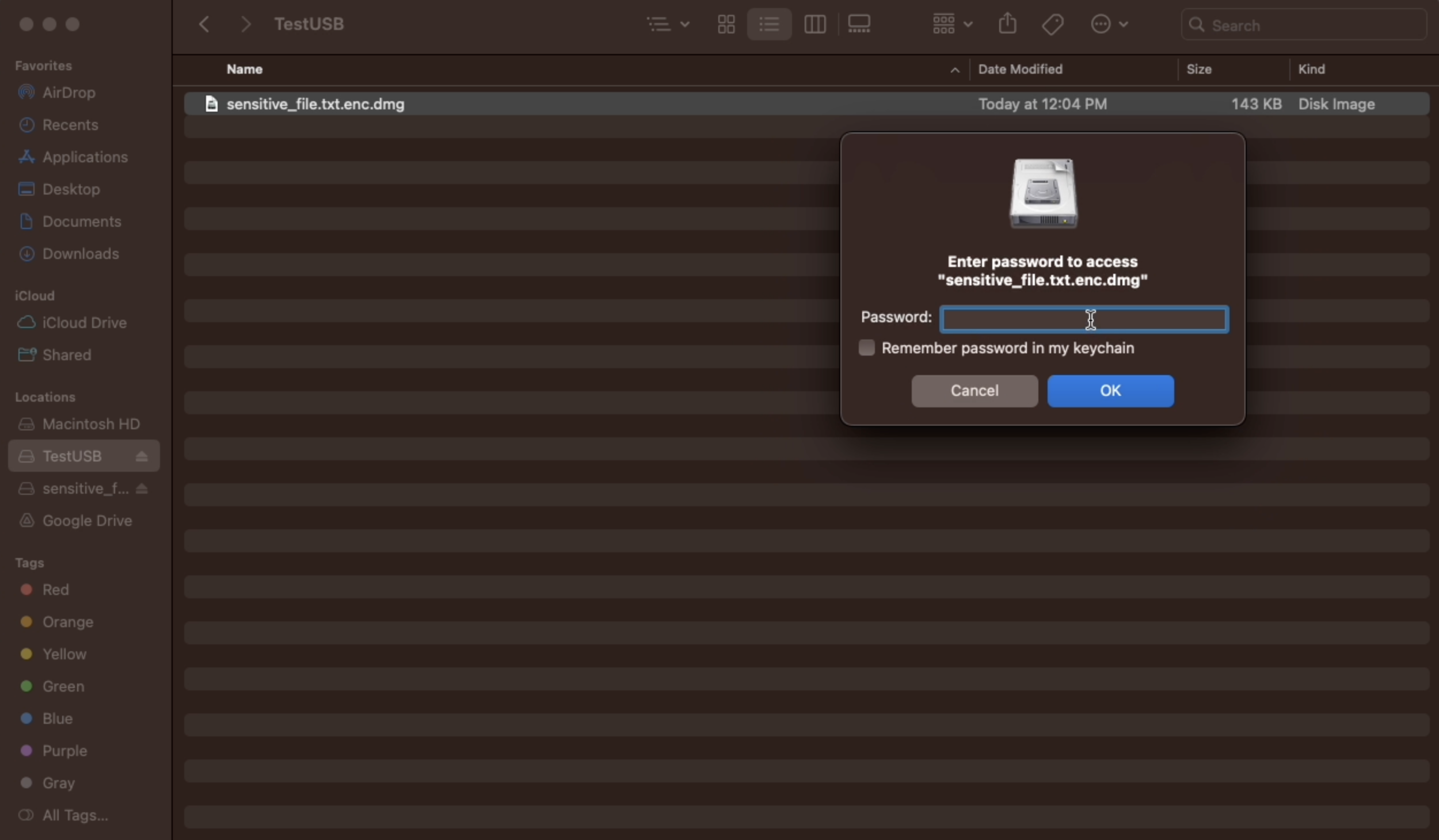
Not every harmful action is accidental. Departing employees, compromised accounts, and malicious insiders can use everyday channels such as browser uploads, USB devices, personal email, cloud storage, or collaboration apps to move sensitive information out of the organization. DLP policies make those paths visible and enforce rules based on the type of data and the channel involved.
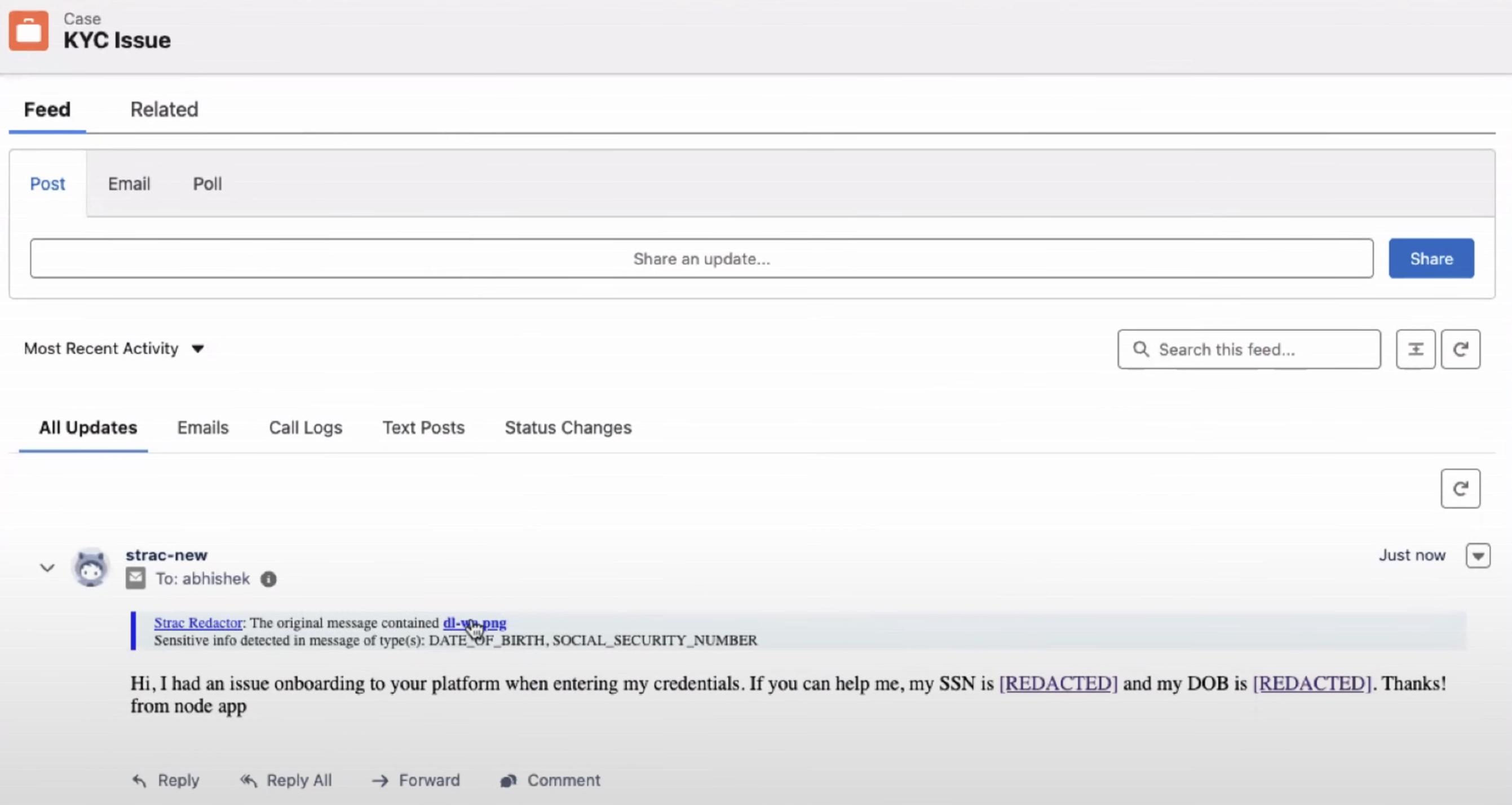
Sensitive information is often spread across support tools, collaboration platforms, CRMs, file stores, data warehouses, and cloud infrastructure. A DLP program needs discovery and posture context to show where that data resides, followed by controls that reduce exposure in the places employees actually use every day.
.gif)
GenAI introduces a new data-loss path: prompts, attachments, outputs, and connected tools. Shadow AI makes that path harder to govern because employees may use unapproved AI services without security review. Agentic workflows raise the stakes further, particularly when Model Context Protocol (MCP) connectors allow an AI agent to access internal data or take actions in other systems.DLP management for AI should apply policy to the data entering and leaving these workflows. That can mean detecting and redacting sensitive text or files before a prompt is sent, blocking prohibited transfers, enforcing rules on MCP tool calls, and recording events for investigation and audit.
Organizations handling PII, PHI, PCI data, credentials, or confidential business information need demonstrable safeguards. A well-run DLP program can support controls associated with frameworks and obligations such as HIPAA, PCI DSS, GDPR, SOC 2, ISO 27001, and privacy laws. It does not make an organization compliant by itself; it helps teams implement, monitor, and evidence the data-protection controls required by their broader compliance program.
Strac combines Data Security Posture Management (DSPM) and Data Loss Prevention (DLP) so teams can move from identifying sensitive data to actively protecting it. Instead of managing one tool for discovery and another for enforcement, security teams can use a unified platform to discover, classify, monitor, and remediate sensitive data across the environments where it lives and moves.
Strac helps teams discover and classify sensitive data across SaaS, cloud, and other connected environments. Its detectors cover common regulated data types such as PII, PHI, and PCI data, as well as secrets and confidential business information. Teams can also define custom sensitive-data elements for their own policies.
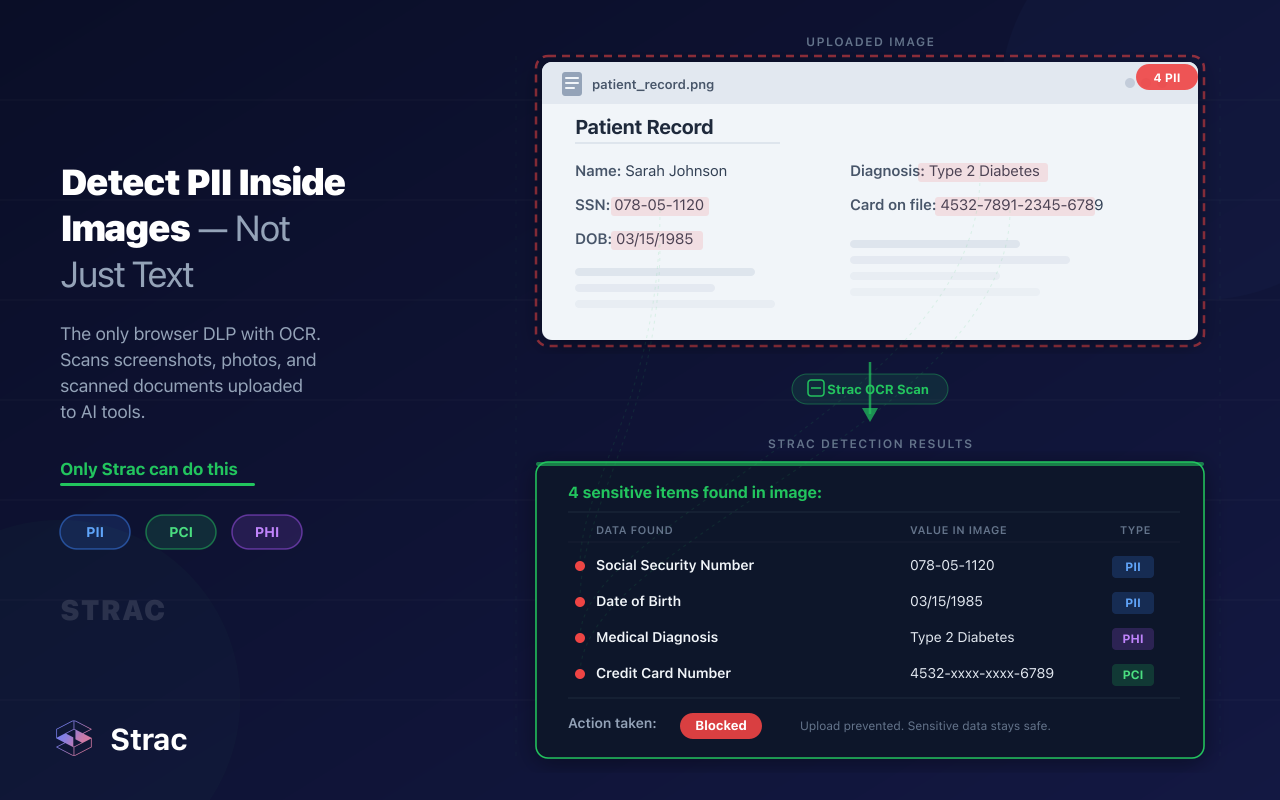
Strac inspects structured and unstructured content, including messages, documents, attachments, and images. OCR and deep document inspection help identify sensitive content in images and formats such as PDFs, Office files, spreadsheets, archives, and screenshots.
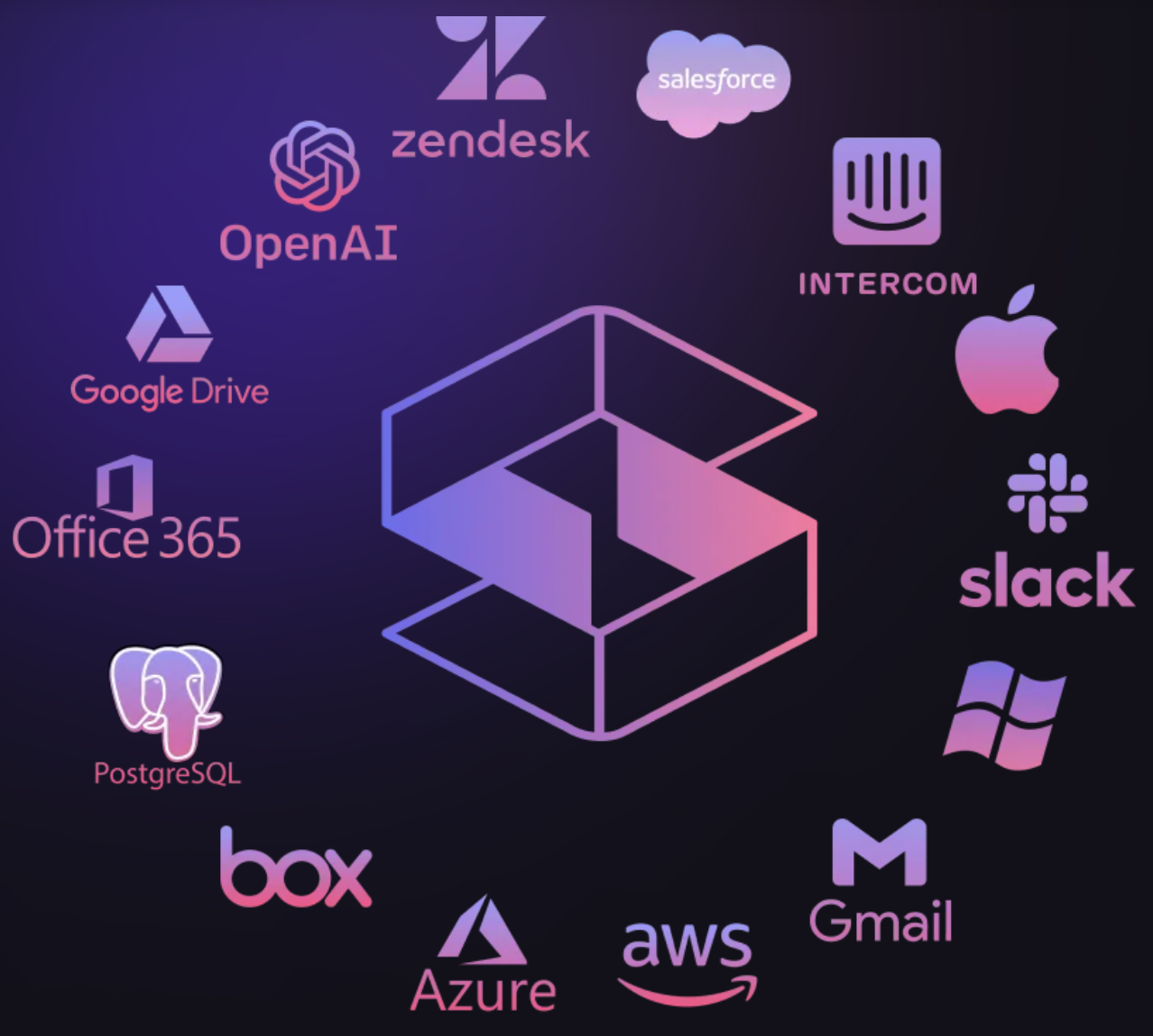
Strac helps organizations apply data-aware controls across a modern data estate rather than limiting protection to a single channel. Teams can build policies around data type and destination, then apply them in the SaaS, cloud, browser, and endpoint workflows relevant to their environment.
When policy finds a risk, Strac can support actions such as blocking, redaction, masking, quarantine, deletion, encryption, auditing, and user coaching. This allows organizations to protect sensitive data while using the lightest control appropriate for each scenario.
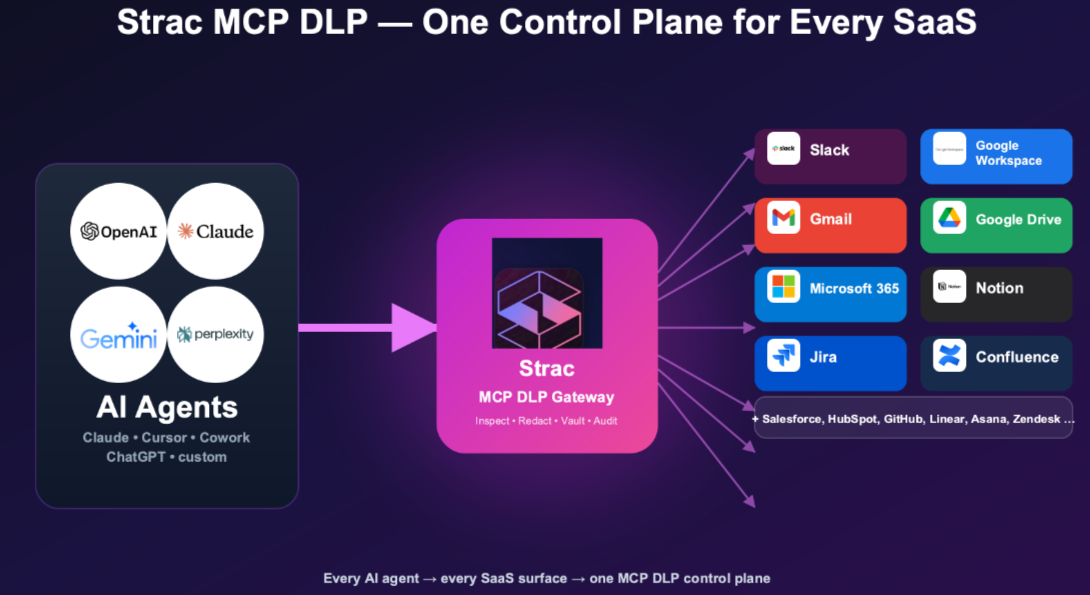
Strac helps organizations extend DLP controls into GenAI and agentic workflows. This includes protecting sensitive information in AI prompts and attachments, increasing visibility into Shadow AI exposure, and enforcing policy around MCP-connected tools and agent actions.
That matters because an AI workflow can quickly connect sensitive enterprise data with external models, services, and tools. Applying DLP policy before or during those interactions helps teams maintain governance as AI use expands.
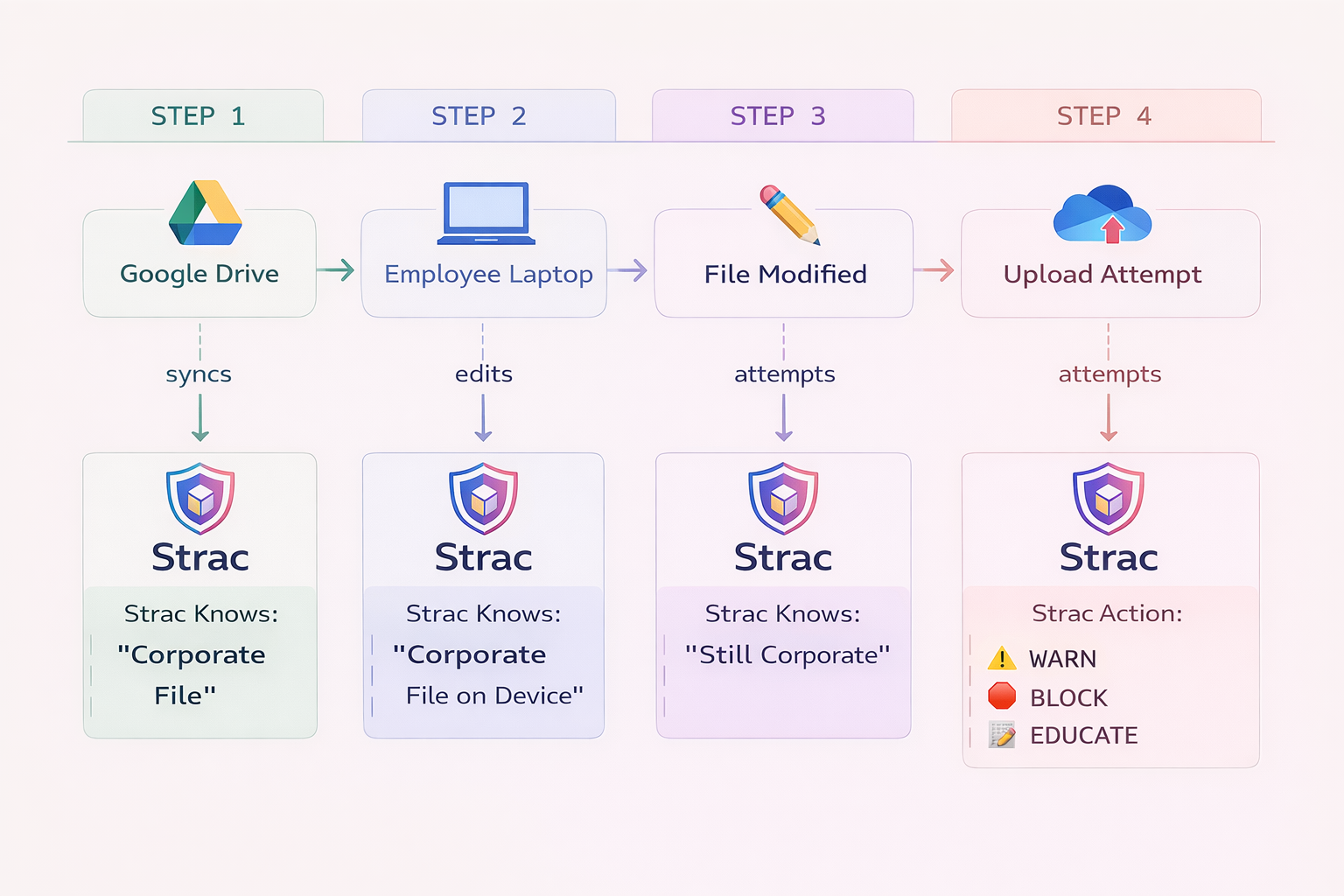
Strac Endpoint DLP helps security teams apply policy to the channels where data leaves or moves around employee devices. With endpoint data lineage, teams gain additional context around how sensitive data was handled, supporting more informed investigations and better policy decisions across actions such as browser uploads, removable media transfers, clipboard use, printing, and local file activity.
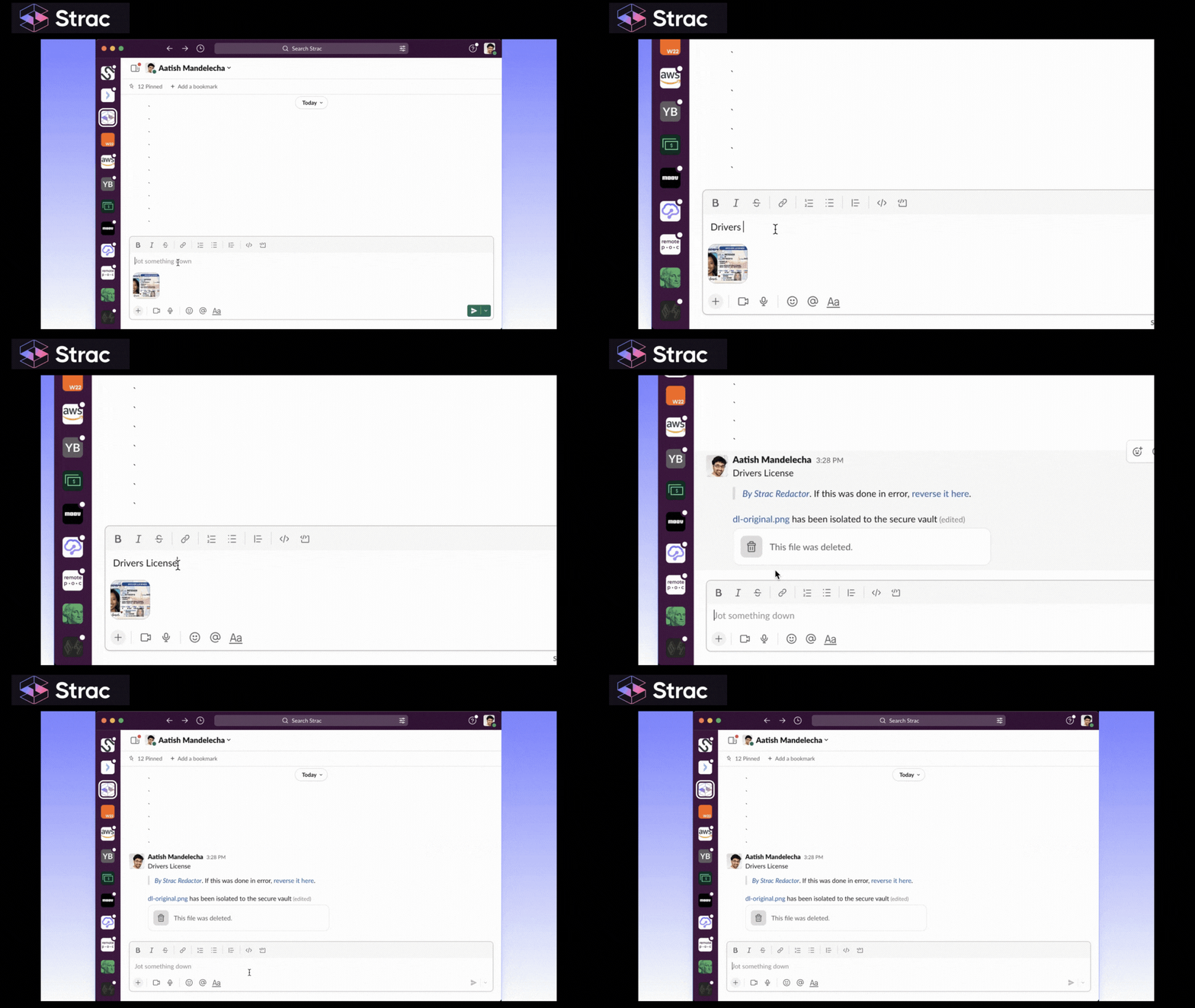
Detection is only valuable when teams can act on it. Strac supports inline remediation so sensitive data can be handled according to policy at the time of exposure. That reduces the risk that an alert sits unactioned after information has already been shared.
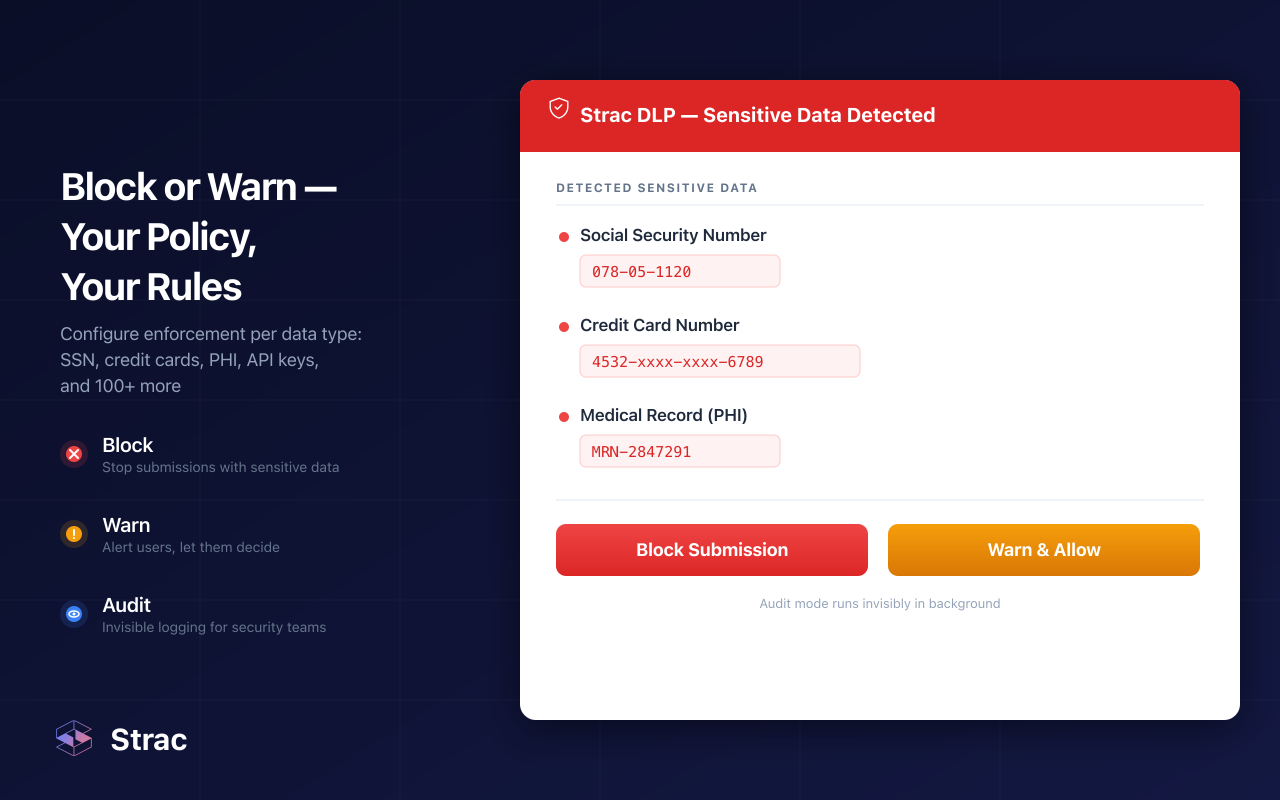
The same data may create different risk depending on where it is going. A policy should consider the data type, destination, user, application, device, and channel. For example, an organization might permit internal sharing of an approved document, require encryption for an external transfer, warn a user before copying sensitive information to a clipboard, and block the same data from being uploaded to an unsanctioned AI tool.
This approach is more useful than binary, all-or-nothing blocking. It protects high-risk activity while giving users clear guidance when a safer action is available.
Alert-only DLP leaves security teams to investigate after data has already moved. Inline enforcement lets teams take action at the point of risk. Depending on the channel and policy, an organization may redact or mask sensitive content, block a transfer, quarantine a file, delete exposed data, encrypt an approved transfer, or coach the user through a safer alternative.
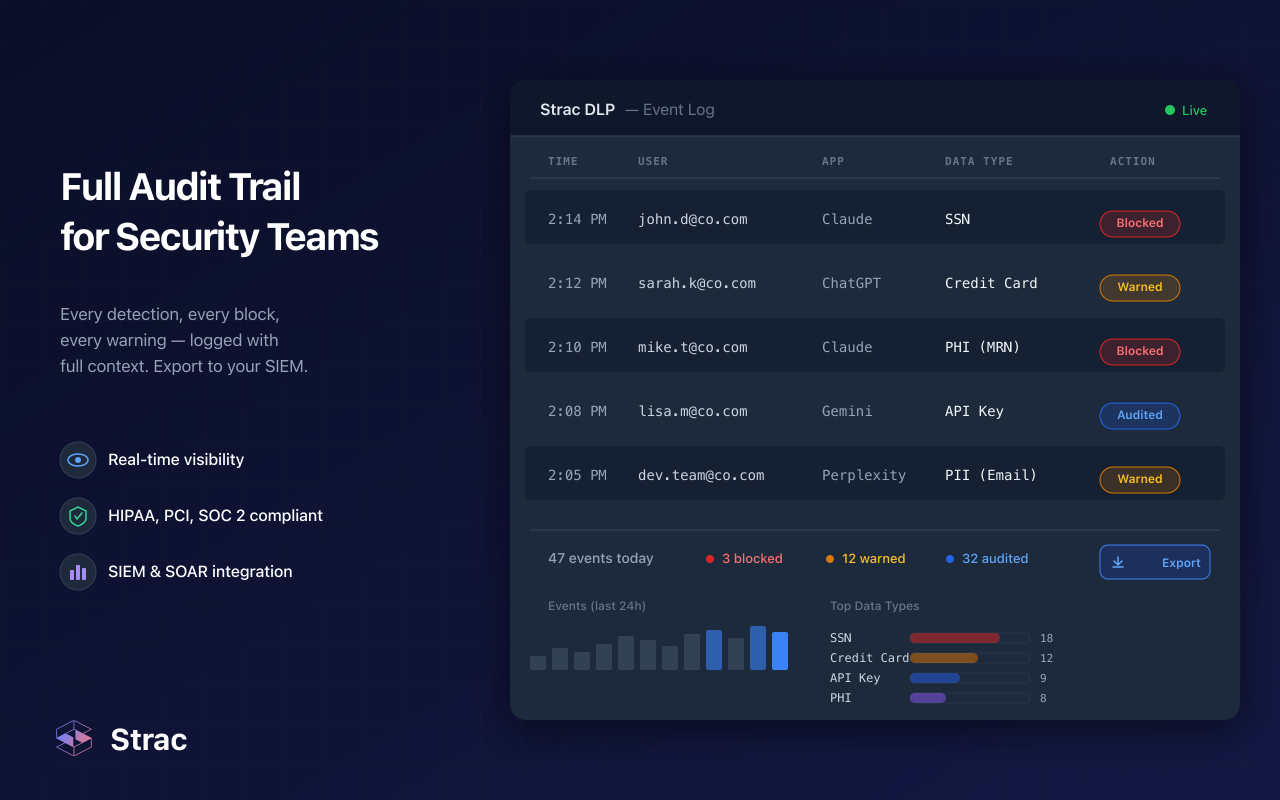
Strac provides visibility into sensitive-data detections, policy actions, and remediation events. Security and compliance teams can use that context to investigate incidents, improve controls, and support evidence collection for their broader privacy and security programs.
Before selecting a platform, security teams should look beyond a feature checklist. Ask:
Data loss prevention management is no longer a narrow email-security project. It is an ongoing program for understanding where sensitive data lives, controlling how it moves, and applying policy across SaaS, cloud, endpoints, browsers, GenAI, and agentic workflows.
Strac gives organizations a unified DSPM + DLP approach to discover sensitive data, understand exposure, and remediate risky movement in the same platform.
Related reading:
No. Traditional DLP often focuses on email, files, or endpoints in isolation. Modern data loss prevention management combines data discovery, classification, posture management, policy enforcement, remediation, and audit evidence across SaaS, cloud, browsers, endpoints, GenAI, APIs, and MCP-connected AI agents.
It can, when the DLP solution supports browser and GenAI controls. Strac can detect sensitive data in prompts and attachments, then apply policy-based actions such as warning the user, redacting the content, or blocking the transfer before regulated or confidential information reaches an unapproved AI service.
MCP allows AI agents to connect to enterprise tools and data sources. Without controls, an agent can retrieve, expose, or send sensitive data through those connected tools at machine speed. MCP DLP applies policies to agent and tool interactions so organizations can govern what sensitive information an AI agent can access, use, or transmit.
No. Data discovery tells you where sensitive information exists and helps identify exposure, but it does not stop risky sharing or exfiltration. Effective DLP management combines discovery with policy enforcement and remediation, such as redaction, masking, blocking, encryption, quarantine, or user coaching.
Yes. Endpoint DLP can monitor and enforce policies across common data-movement channels, including browser uploads, removable media, clipboard activity, printing, and local file transfers. With data lineage, security teams can also understand how sensitive data moved through a device and investigate risky activity with more context.
.avif)


.gif)


.webp)