Data Loss Prevention Features in 2026: What Modern Organizations Actually Need
Discover Strac's seamless data loss prevention download process to ensure quick deployment. Learn about key DLP features, risks mitigated, and standout integration capabilities.
Traditional DLP is no longer enough. Sensitive data now moves across SaaS apps, browsers, cloud platforms, GenAI tools, AI agents, and MCP-connected environments.
Modern DLP must combine data discovery, classification, AI-powered detection, and real-time remediation to stop data leaks before they happen.
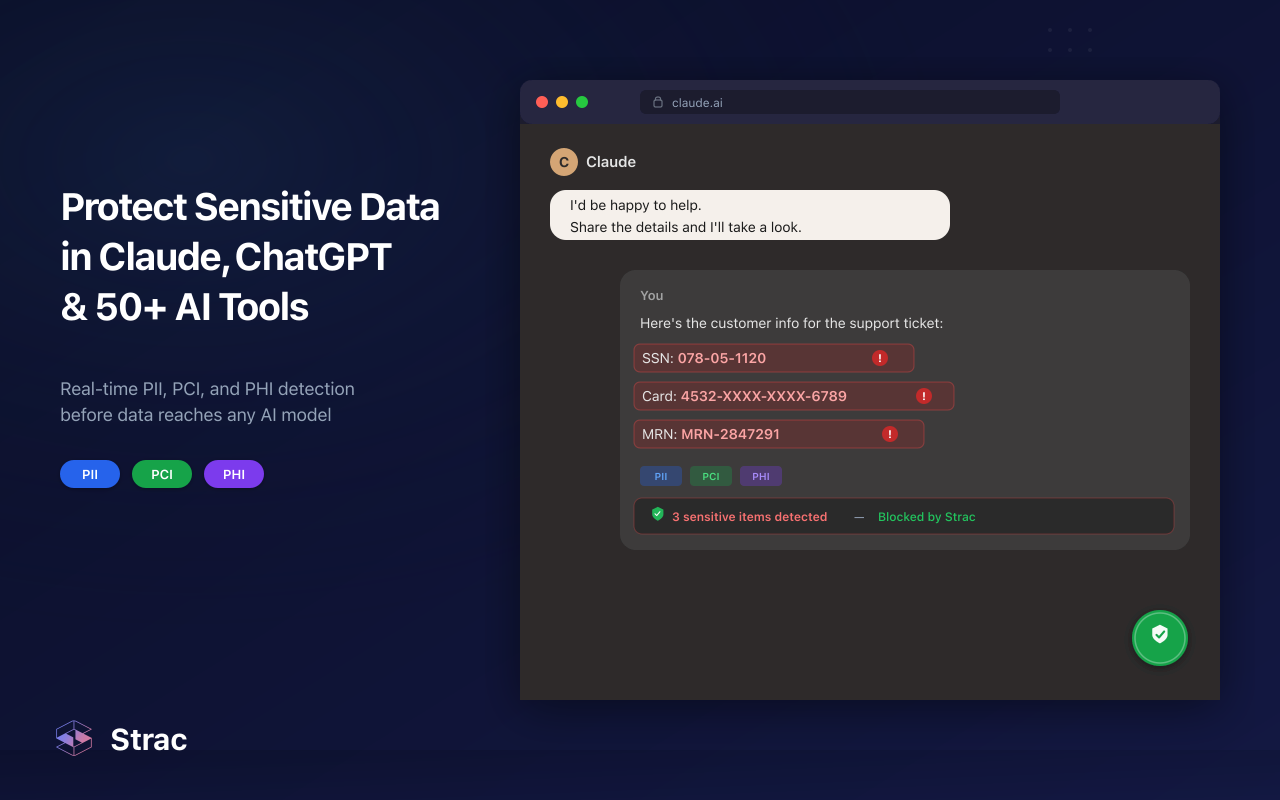
Organizations face new risks from ChatGPT, Claude, Microsoft Copilot, browser uploads, Shadow AI, AI agents, and MCP workflows that legacy DLP tools were never designed to address.
The most effective DLP platforms in 2026 unify DSPM and DLP, providing visibility into where sensitive data lives, how it moves, and how to automatically protect it.
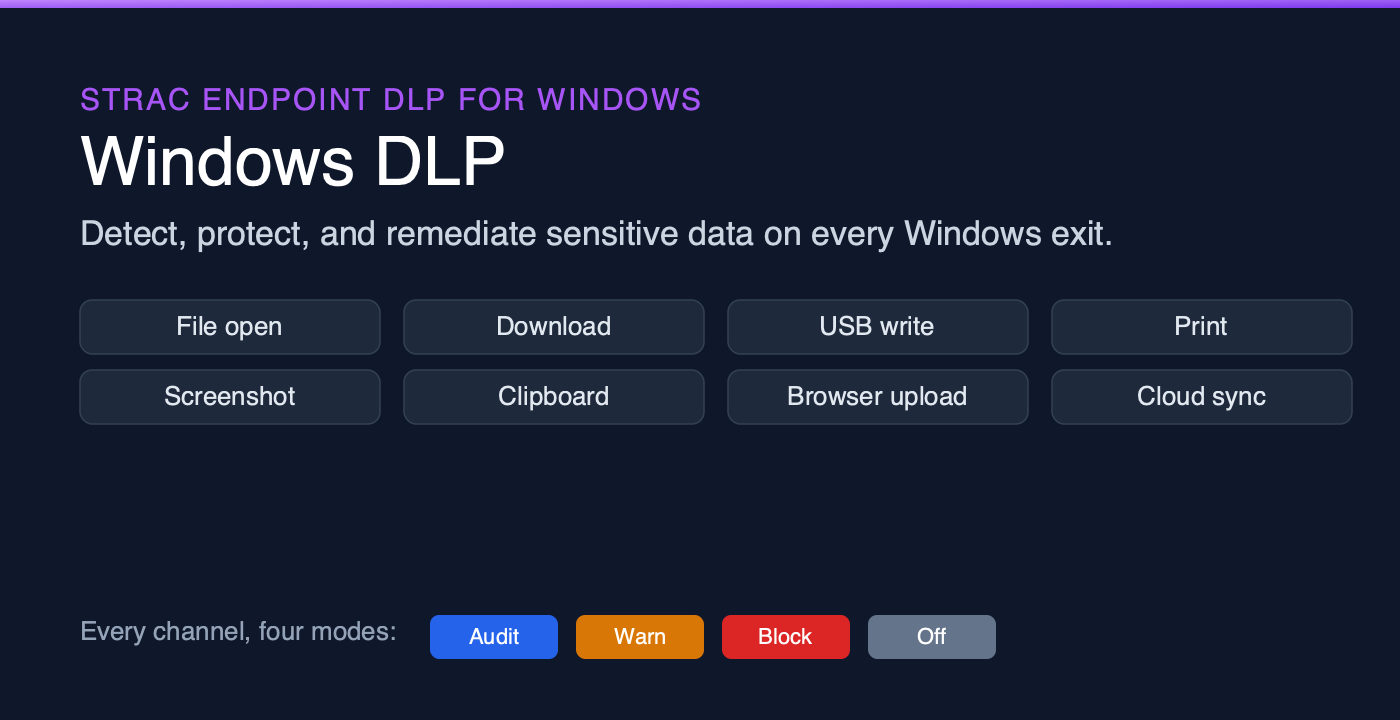
Strac delivers agentless, content-aware protection across SaaS, cloud, browsers, endpoints, GenAI, and MCP environments with real-time actions such as redaction, masking, blocking, encryption, and user coaching.
Sensitive data is no longer confined to email inboxes and file shares. Today, customer records, source code, financial data, healthcare information, and intellectual property move continuously across SaaS applications, AI assistants, support tickets, browser sessions, cloud storage, APIs, and agentic workflows.
This shift requires a new generation of DLP capabilities that go beyond simple detection and alerting.
In this guide, we'll explore the data loss prevention features that matter in 2026 and how modern platforms like Strac help organizations discover, monitor, govern, and protect sensitive data across their entire digital ecosystem.
Why Traditional DLP Is No Longer Enough
Legacy DLP solutions were built for an era dominated by email gateways, network appliances, and endpoint controls.
Today's security teams face entirely different challenges:
Employees paste customer information into ChatGPT and Claude.
Organizations need visibility into where sensitive data exists, how it moves, and the ability to stop exposure in real time—not hours later through an alert.
Generative AI adoption has created one of the fastest-growing data security challenges.
Employees regularly share source code, customer records, contracts, financial information, and proprietary business data with AI systems. Without proper controls, organizations lose visibility into what information is being shared and where it ends up.
Modern DLP must inspect prompts, responses, uploads, and AI-generated content before sensitive information leaves the organization.
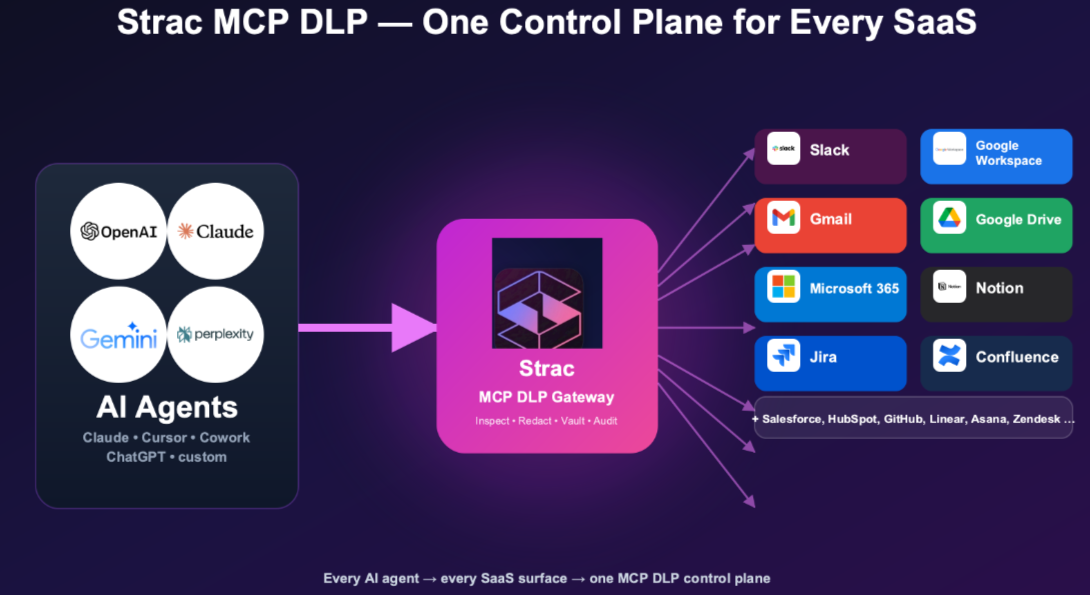
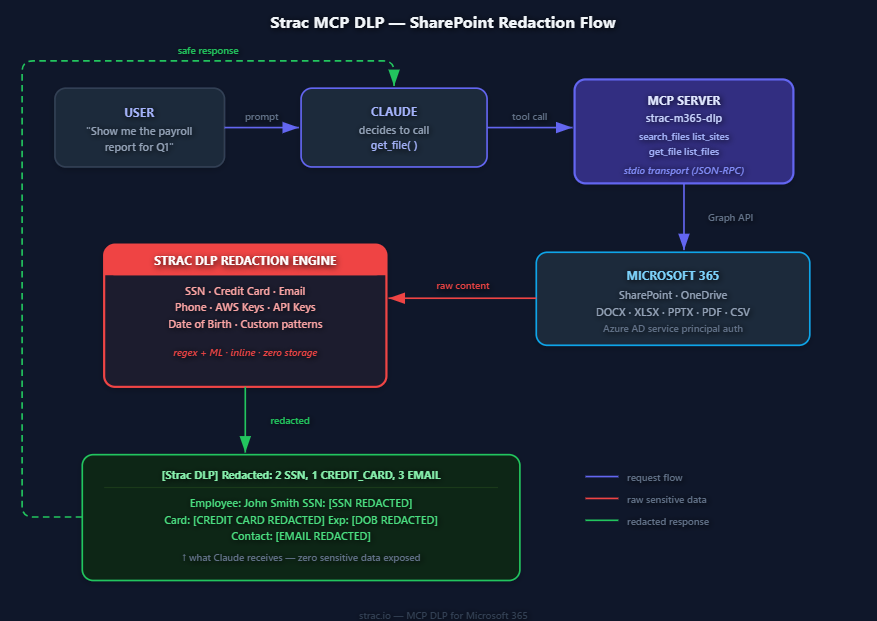
Model Context Protocol (MCP) servers have enabled AI agents to access business systems, cloud environments, code repositories, ticketing platforms, and internal knowledge bases.
While powerful, MCP introduces entirely new attack surfaces.
Organizations need visibility into what data AI agents can access, what information they retrieve, and what data they send externally.
Users can upload spreadsheets, screenshots, PDFs, source code, and customer records to external applications within seconds.
Modern DLP requires visibility into browser uploads, downloads, copy-paste activity, and unknown destinations.
🎥 Essential Data Loss Prevention Features for 2026
Sensitive Data Discovery and Classification
You cannot protect data you cannot find.
A modern DLP solution should continuously discover and classify:
PII
PCI
PHI
Financial data
Intellectual property
Source code
Credentials and secrets
Custom business data
Discovery should span SaaS applications, cloud storage, databases, endpoints, browsers, AI systems, and collaboration platforms.
AI-Powered Detection
Regex alone is no longer sufficient.
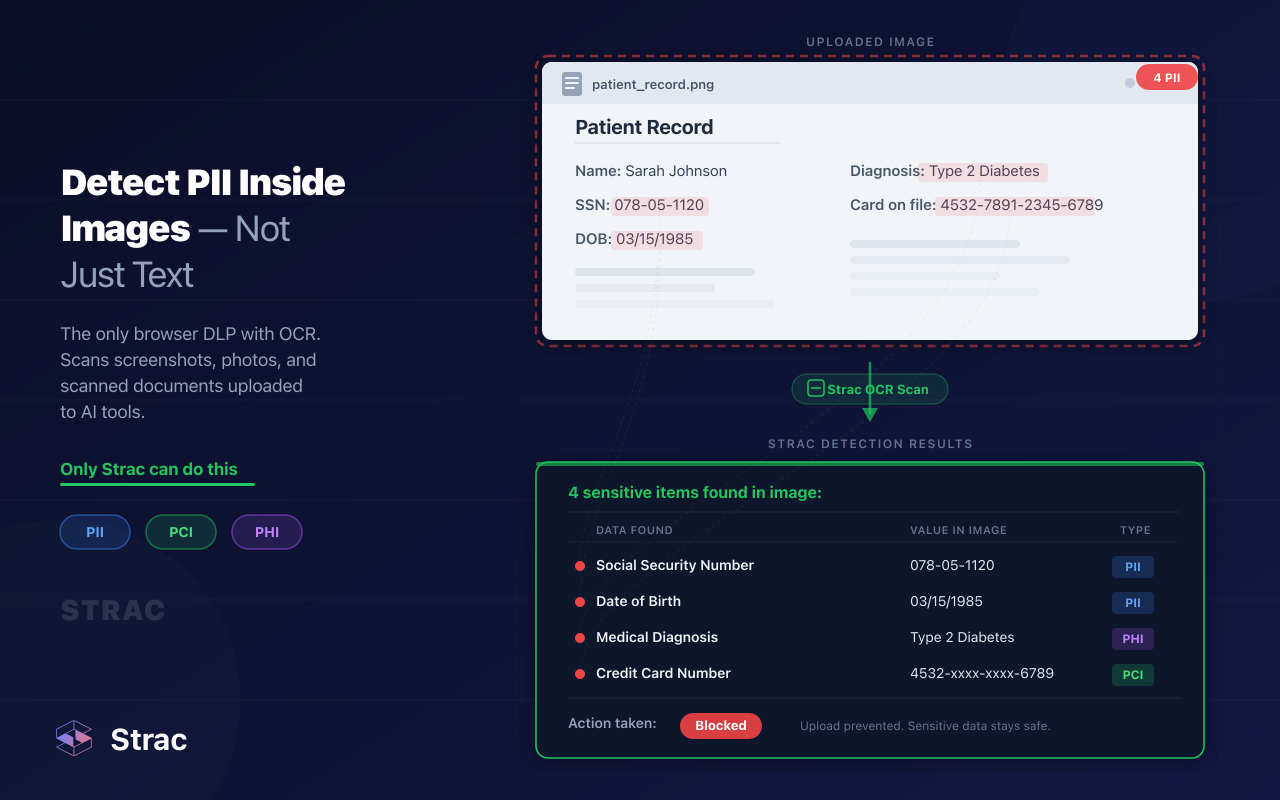
Modern DLP platforms use machine learning, OCR, and LLM-powered classification to accurately identify sensitive content across:
Structured data
Unstructured documents
PDFs
Images
Screenshots
Spreadsheets
AI prompts and responses
The result is significantly lower false positives and fewer missed detections.
Real-Time Inline Remediation
Detection without action creates operational noise.
Organizations need the ability to automatically:
Redact
Mask
Block
Quarantine
Delete
Encrypt
Coach users
before sensitive data reaches unauthorized destinations.
Inline remediation dramatically reduces risk while minimizing security team workload.
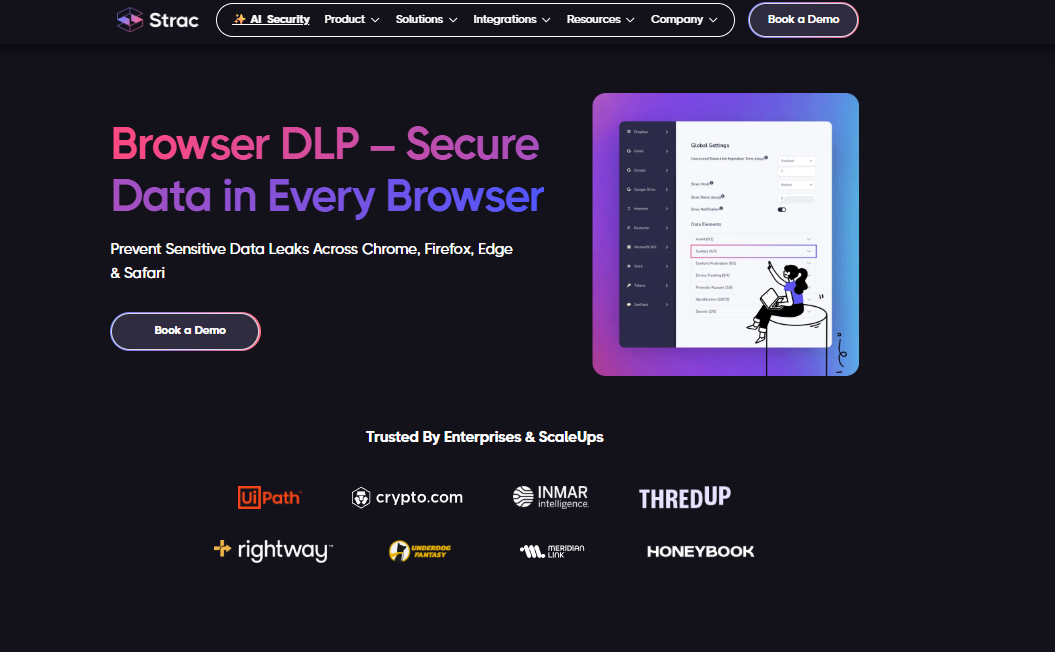
Browser DLP
As work increasingly happens inside browsers, browser-based controls have become critical.
Effective browser DLP should monitor:
File uploads
Copy and paste activity
AI interactions
Form submissions
Unknown destinations
Personal accounts
This provides protection regardless of where users work.
AI DLP and AI Governance
AI adoption demands specialized controls.
Organizations need the ability to:
Inspect prompts before submission
Detect sensitive data in AI conversations
Govern AI usage across multiple providers
Monitor Shadow AI adoption
Enforce AI-specific policies
Maintain audit trails for compliance
These capabilities have become foundational requirements for enterprise AI adoption.
MCP Security Controls
As AI agents become more common, organizations need visibility and governance around MCP-connected environments.
Modern DLP should:
Monitor MCP interactions
Inspect agent activity
Govern data access permissions
Prevent sensitive data exposure through agent workflows
Apply policies consistently across human and AI-driven actions
Unified DSPM and DLP
Security teams increasingly want a single platform for both discovery and enforcement.
Combining DSPM (Data Security Posture Management) and DLP enables organizations to:
Discover sensitive data
Understand exposure risks
Classify information
Monitor movement
Enforce policies
Remediate violations
all from a single platform.
✨How Strac Approaches Data Protection in 2026
Strac was built for the modern data landscape where sensitive information moves across SaaS, cloud, browsers, AI systems, endpoints, and MCP-connected environments.
Unlike legacy solutions that focus primarily on alerting, Strac combines DSPM and DLP into a single platform that discovers, classifies, monitors, and remediates sensitive data in real time.
Key capabilities include:
Agentless Deployment
Deploy across SaaS, cloud, AI, browser, and endpoint environments without complex infrastructure or heavy operational overhead.
AI-Powered Detection
Use machine learning, OCR, and content-aware analysis to accurately identify sensitive information across structured and unstructured data.
Real-Time Remediation
Automatically redact, mask, block, quarantine, delete, encrypt, or coach users when sensitive data is detected.
SaaS, Cloud, AI, Browser, and Endpoint Coverage
Protect data across modern business environments rather than relying on isolated point solutions.
AI and MCP Protection
Secure ChatGPT, Claude, Microsoft Copilot, AI agents, MCP servers, and emerging agentic workflows.
Gain a centralized view of sensitive data posture, policy violations, remediation actions, and risk exposure across the organization.
The Future of Data Loss Prevention
The future of DLP is no longer about monitoring email attachments and USB drives.
It is about securing data wherever it moves—including SaaS applications, cloud platforms, browsers, AI assistants, AI agents, and MCP-connected systems.
Organizations that adopt modern, content-aware, real-time DLP capabilities will be significantly better positioned to embrace AI innovation while maintaining security, compliance, and customer trust.
As AI and agentic workflows continue to expand, the most effective DLP platforms will be those that combine discovery, classification, governance, and enforcement into a single unified experience.
That's exactly where modern platforms like Strac are leading the next generation of data security.
✨ Spicy FAQs on DLP Features
1. Why are traditional DLP solutions struggling with AI tools like ChatGPT, Claude, and Microsoft Copilot?
Most legacy DLP platforms were designed for email, network traffic, and endpoint monitoring—not AI interactions. They often lack visibility into prompts, responses, file uploads, browser sessions, and AI-generated content. Modern AI DLP solutions like Strac can inspect, redact, block, or govern sensitive data before it is shared with AI models, helping organizations safely adopt GenAI without increasing data exposure.
2. What is the difference between DSPM and DLP, and do organizations need both?
DSPM (Data Security Posture Management) helps organizations discover, classify, and understand where sensitive data exists and how exposed it is. DLP focuses on preventing sensitive data from being leaked or shared improperly. In 2026, most organizations need both. Platforms that combine DSPM and DLP provide complete visibility and real-time protection across SaaS, cloud, AI, browser, and endpoint environments.
3. How can organizations prevent sensitive data leaks through AI agents and MCP servers?
AI agents and MCP-connected applications can access customer records, internal documents, code repositories, cloud storage, and business applications. Organizations should implement controls that monitor agent activity, inspect data requests, classify sensitive information, and enforce policies before data is shared externally. Without these controls, AI agents can become one of the largest unmonitored data exposure risks in the enterprise.
4. What are the most important Data Loss Prevention features to look for in 2026?
The most effective DLP platforms now include AI-powered detection, browser DLP, SaaS DLP, AI DLP, MCP security controls, OCR for images and screenshots, real-time remediation, DSPM capabilities, and low false-positive detection. Organizations should prioritize solutions that can automatically discover, classify, monitor, and remediate sensitive data across all modern workflows—not just email and endpoints.
5. Can DLP prevent employees from uploading sensitive files to ChatGPT, Claude, or unknown websites?
Yes. Modern browser-based DLP solutions can monitor uploads, copy-paste activity, prompts, attachments, and browser sessions in real time. When sensitive information such as PII, PCI, PHI, source code, or intellectual property is detected, policies can automatically block, redact, mask, encrypt, or quarantine the content before it leaves the organization. This has become a critical requirement as AI adoption and browser-based work continue to grow.
Discover & Protect Data on SaaS, AI, MCP, Endpoints & Cloud
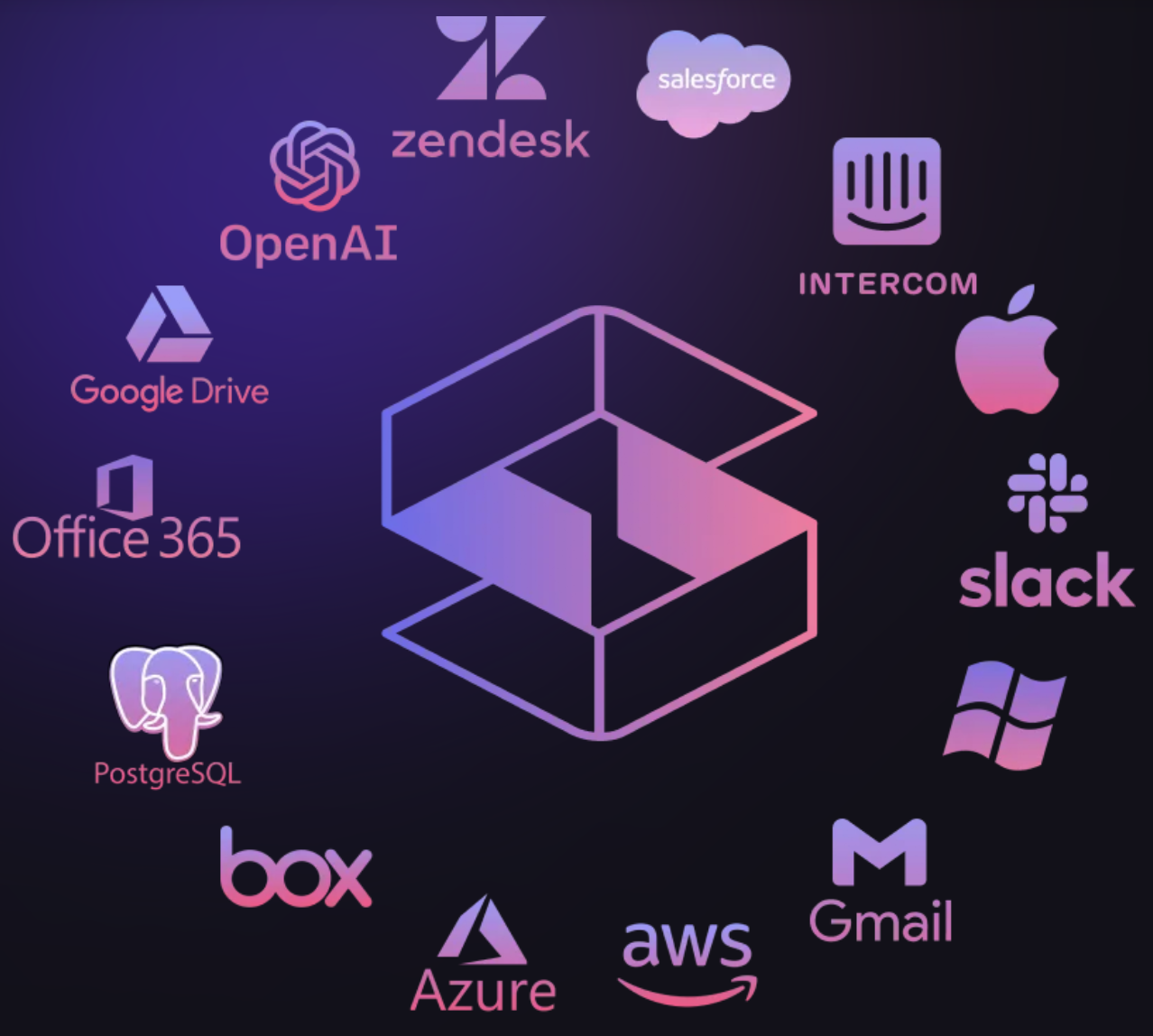
Strac provides end-to-end data loss prevention for all SaaS and Cloud apps. Integrate in under 10 minutes and experience the benefits of live DLP scanning, live redaction, and a fortified SaaS environment.


.webp)








.avif)




.gif)
