October 1, 2026

7
min read
Advantages of Data Loss Prevention Solutions
The real advantages of data loss prevention: what DLP gives you across SaaS, endpoints, browsers and AI tools, and where most programs stall.
· Data Loss Prevention (DLP) is the practice ofdiscovering sensitive data across SaaS, cloud, endpoints, browsers and AItools, then automatically redacting, blocking or restricting it when it movessomewhere it should not go.
· The advantage is no longer mainly aboutcompliance paperwork. It is that the number of ways data leaves a company grewfaster than the number of ways to watch it: one paste into a chatbot, oneshared Drive link, one agent call over MCP.
· Identity tools tell you who logged in. Networktools tell you where traffic went. Neither one reads the customer record insidethe file, which is why most stacks catch the event after the data is alreadygone.
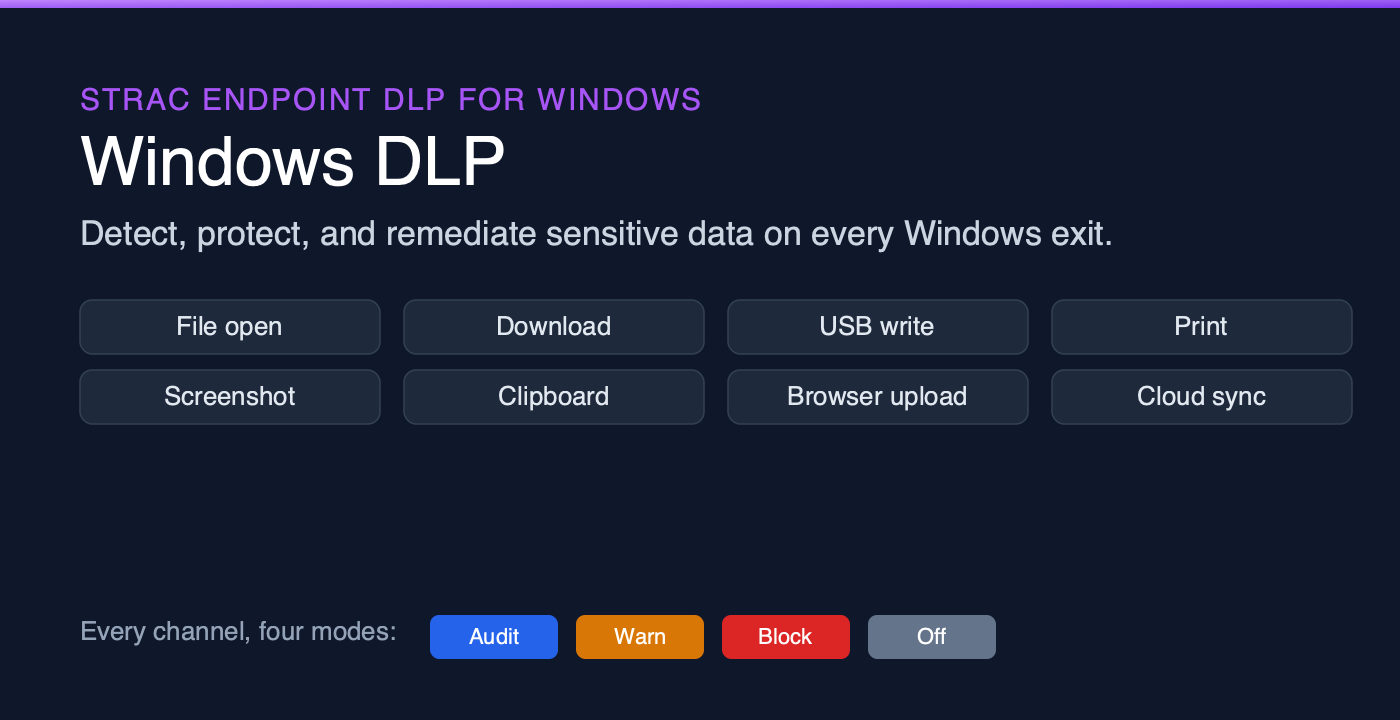
· Strac works at the data layer across SaaS, Cloud, Browser, endpoint DLP,AI DLP and MCP DLP, withremediation that runs on its own instead of waiting on a ticket.
· IfAI tools are the reason DLP is back on your roadmap, start from the pillar on AI data governance.
Data Loss Prevention is a set of controls that discovers sensitive data, classifies it, and enforces what can happen to it. Sensitive data means the things that carry real consequences when they leave: payment card numbers, Social Security numbers, patient records, credentials, API keys, contracts, source code.
A modern DLP reads content rather than trusting file names. It inspects documents, spreadsheets, PDFs, images, chat messages, tickets and archives, decides what class of data sits inside, and then acts on the policy attached to that class.
That last step is what separates DLP from data discovery. Discovery tells you the customer export exists in a public Drive folder; DLP is what takes the data out of it.
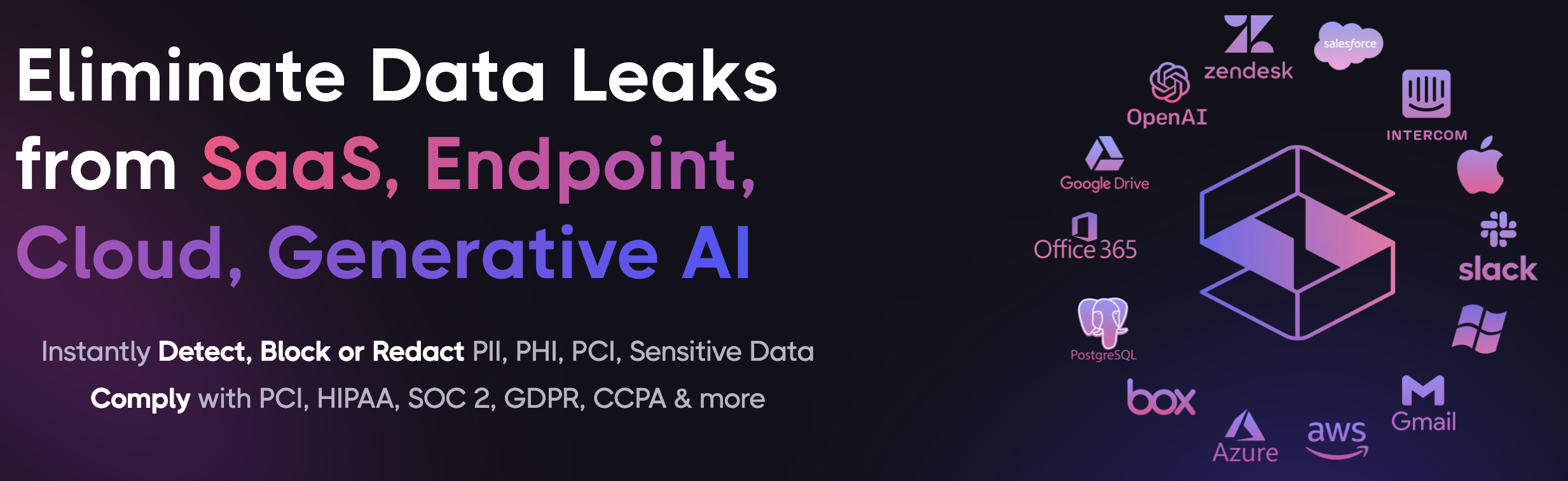
DLP used to guard a small number of exits: email, USB, a file server. Those exits still matter, and they are no longer the ones that leak first.
Data now leaves through paths that look like ordinary work:
None of those look like an attack, and none of them trip a firewall. The exit is instant, it is invisible to identity logs, and the person doing it is usually trying to be helpful.

You cannot protect what nobody has counted. Discovery across Google Workspace, Microsoft 365, Slack, Salesforce, Jira, Zendesk, Box, S3 and endpoints produces the one thing most programs never had: an inventory of where sensitive data actually sits, and who can reach it.
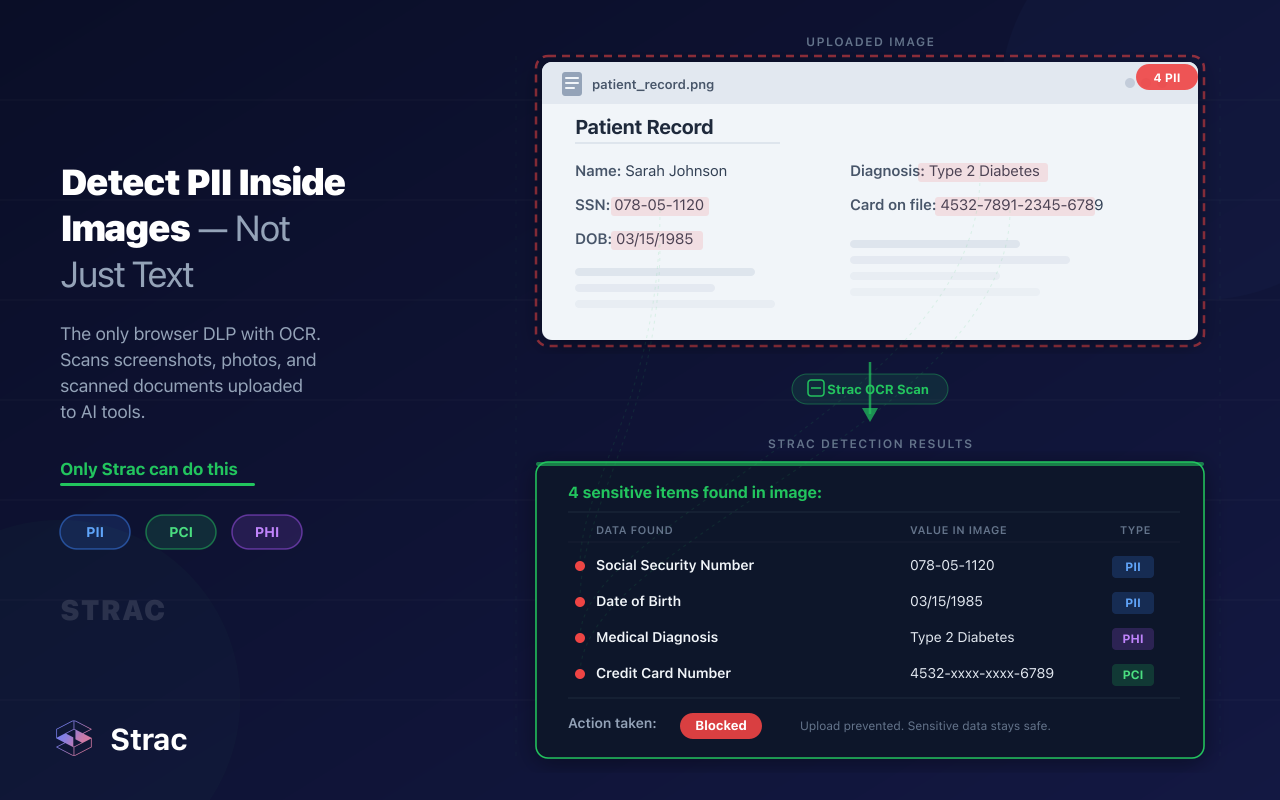
Metadata lies. A file called notes.xlsx holds 9,000 card numbers, and a file called pci-audit.pdf holds nothing sensitive at all. Detection that inspects the content catches the first one and stops alerting on the second, which is how false positives fall to a level a small team can live with.
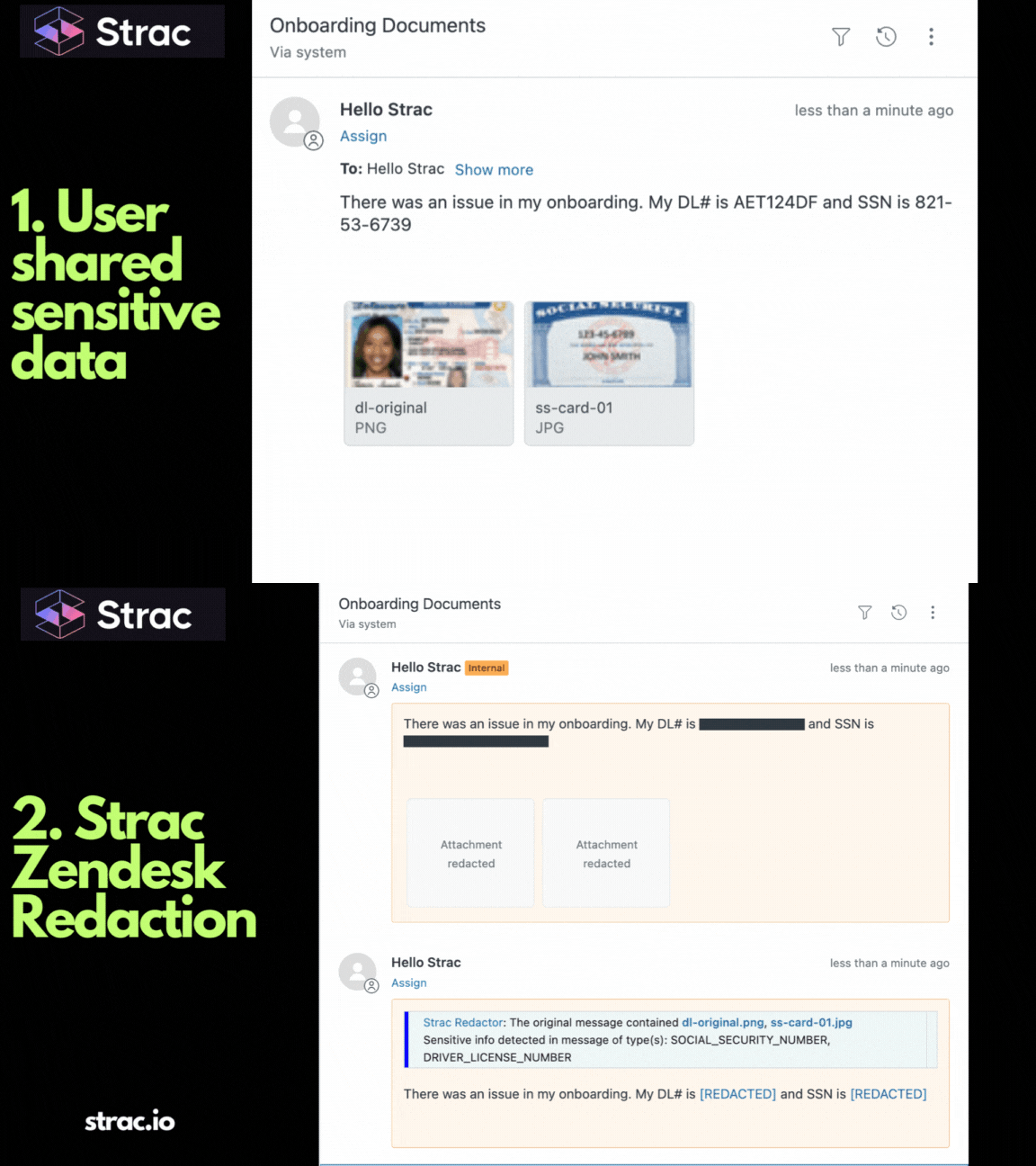
An alert is a task. A remediation is a fix. This is the split that decides whether a DLP program survives its second quarter, because a queue of 4,000 findings nobody works is worse than no findings at all.
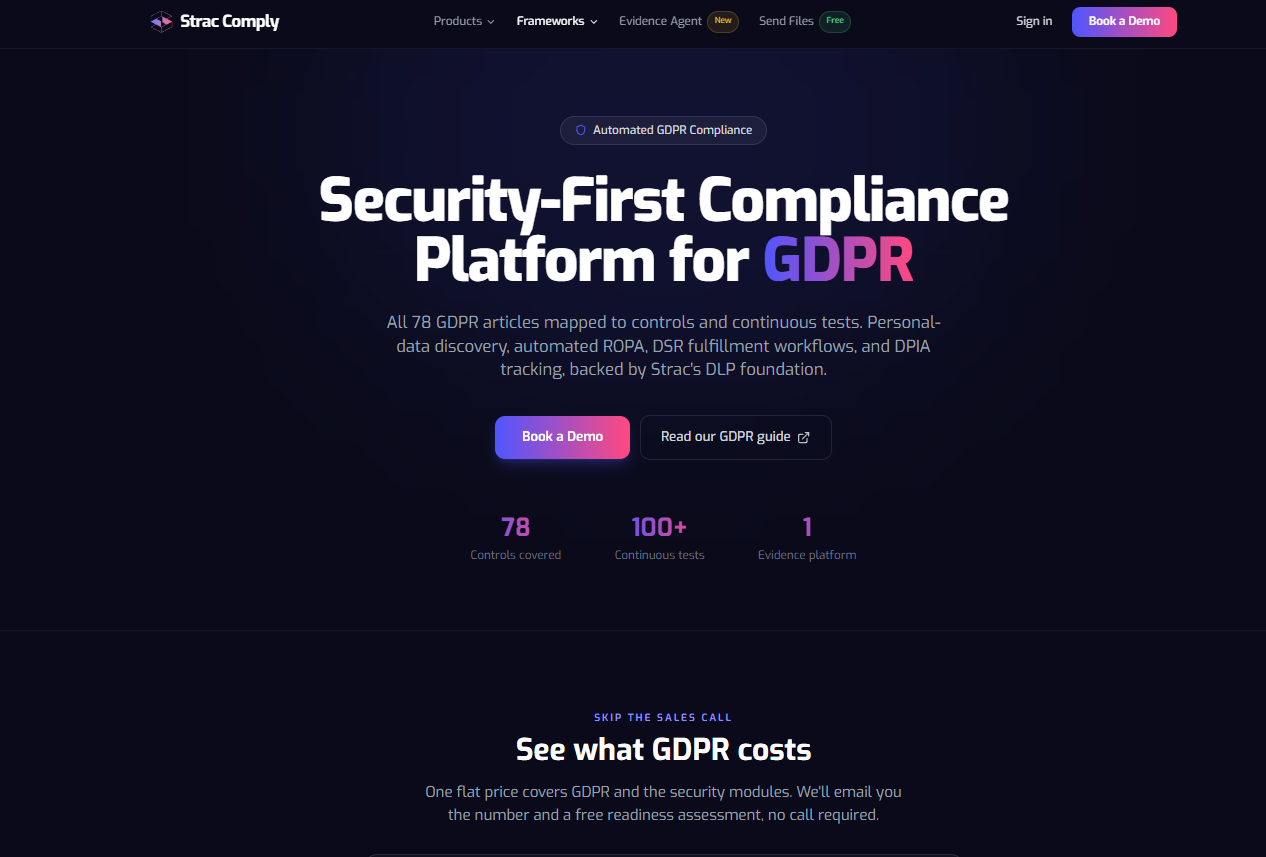
HIPAA, PCI DSS, GDPR, SOC 2, ISO 27001 and the EU AI Act all ask a version of the same question: show that sensitive data is controlled. A DLP answers it with logs of what was found, what was redacted, and what was blocked, on which surface, at which time.
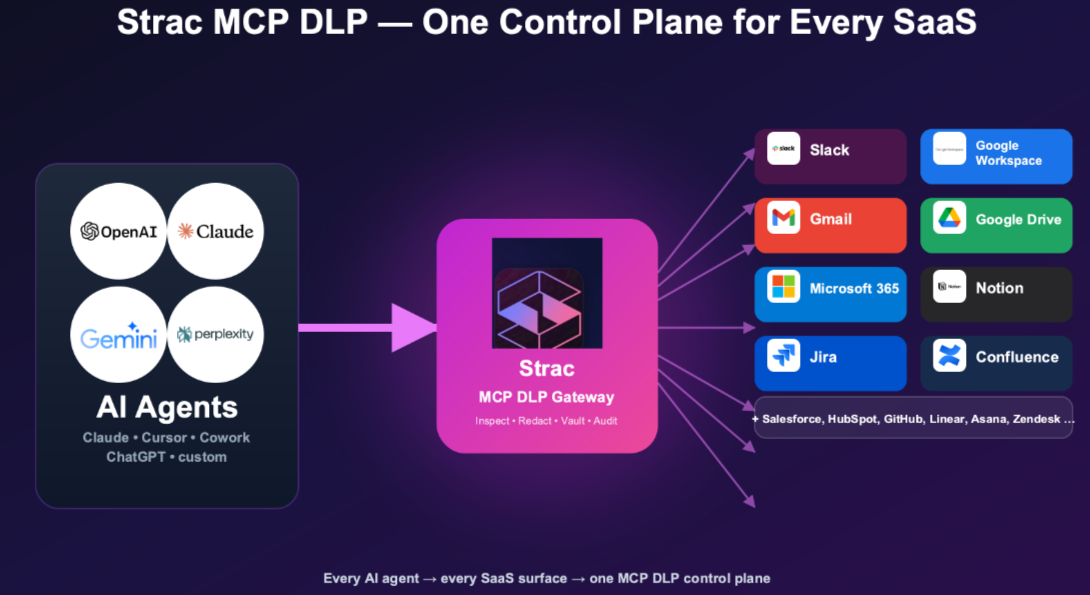
Most data loss is not malicious. It is a rushed action taken by someone with legitimate access, which is exactly the case identity controls are built to allow. Watching data movement instead of watching employees catches the mistake and keeps the program defensible.
Legacy DLP inspects email and file shares. It does not see a paste into a browser tab or a tool call from an agent, and those are now the two fastest paths out. This is the reason why legacy DLP fails for AI comes up in almost every renewal conversation.
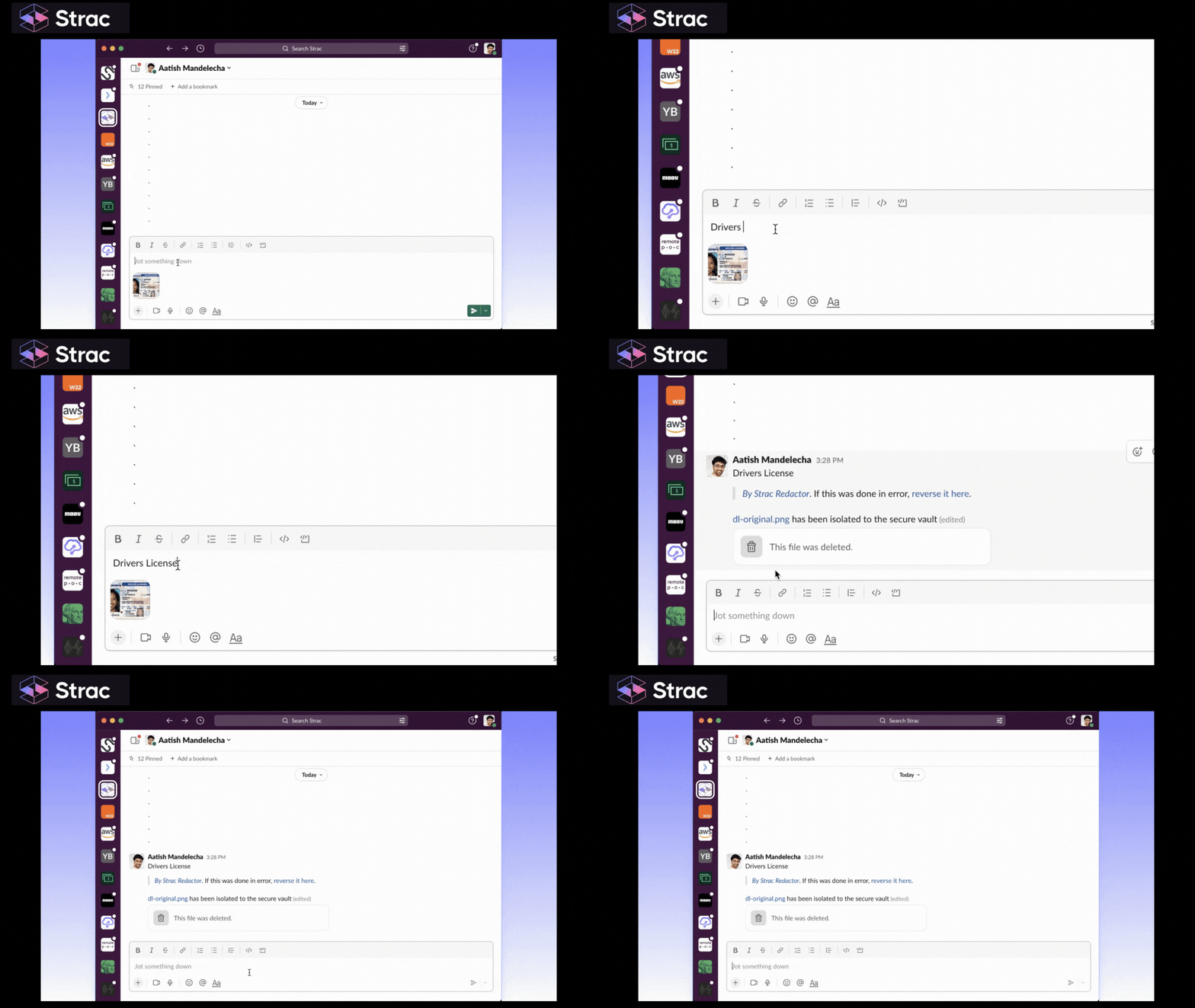
Every control in front of the data eventually fails. Credentials get phished, a prompt gets injected, a share link gets forwarded, a token stays valid too long. The data layer is the backstop, because it acts on the content itself rather than on the actor's intent.
Strac applies four remediation actions, in this order:
Strac detects and redacts sensitive data in real time, which is what makes a compromise stay a compromise instead of becoming a breach.
Most DLP programs stall for a structural reason, not a technical one: each surface arrives as a separate product with its own detectors, its own console and its own definition of what counts as a card number. The endpoint tool flags a file the SaaS tool ignores, the browser tool has no idea the same record was already redacted in Slack, and the security team spends its quarter reconciling three sets of findings instead of reducing exposure.
Strac runs one detection engine behind every surface. A custom detector written for your contract IDs applies the same way to a Drive file, a Slack message, a USB copy, a paste into Claude and an agent response over MCP, so tuning done once holds everywhere and the numbers reported to the risk owner add up. That is also what makes coverage additive rather than sequential: adding Browser DLP in week three does not restart the classification work done in week one.
Readiness check:
The advantages of Data Loss Prevention come down to one shift in where the control sits. Identity, network and model controls all decide whether an action is allowed; DLP decides what the data looks like when that action happens. Get that right and a compromise never becomes a breach. Book a demo to see Strac find and redact sensitive data across SaaS, Cloud, Browser, Endpoints, AI and MCP.
Control at the data layer. Every other control governs an actor or a route; DLP governs the sensitive value itself, so a mistake, a stolen session or a hijacked agent produces a redacted record instead of a real one.
DSPM tells you where sensitive data sits and how exposed it is. DLP acts when that data moves. Strac runs both, which is why the inventory and the enforcement work off one set of detectors instead of two.
Because it was built for email and file shares, not for a paste into a browser tab or a tool call over MCP. Coverage has to sit on the endpoint, in the browser and at the agent layer. See AI DLP and MCP DLP.
Not if the default action is redaction rather than blocking. Sensitive values get masked and vaulted while the work continues, so the workflow survives and the raw data never leaves.
Not entirely. Someone with legitimate access and enough patience can photograph a screen. DLP removes the fast, scalable paths, which is what turns a mass export into a slow manual effort that other controls can catch.
.avif)


.gif)


.webp)