The Essential Role of Data Scanning in Ensuring Security and Compliance
Data scanning in 2026 means finding and protecting sensitive data across SaaS, cloud, endpoints, AI, and MCP workflows. Learn what modern data scanning should cover and how Strac helps reduce exposure faster.
In 2026, data scanning is not just about finding a few credit card numbers in a document. It’s about knowing where sensitive data lives across your business, spotting risky exposure, and being able to take action before that data is shared, pasted into AI, overshared internally, or left sitting in the wrong place.
✨What is data scanning?
Data scanning is the process of searching your business systems for sensitive information.
That can include:
PII like names, emails, phone numbers, government IDs, and addresses
PHI and healthcare data
PCI and financial information
Payroll records, tax details, and banking data
Customer records, contracts, support conversations, and attachments
API keys, secrets, and internal company data
At a basic level, data scanning helps answer a few important questions:
Where does sensitive data exist?
What kind of data is it?
Which apps, files, or teams are involved?
Is it sitting somewhere it shouldn’t be?
If you can’t answer those questions, you can’t build a strong data protection program.
Why data scanning looks different in 2026
A few years ago, scanning mostly meant checking file servers, email, or cloud storage for obvious patterns.
That’s no longer enough.
Today, sensitive data moves through:
SaaS apps like Slack, Zendesk, Salesforce, Jira, Intercom, Notion, Confluence, and Google Workspace
Cloud storage and data platforms like AWS, Azure, Snowflake, SharePoint, OneDrive, and Google Drive
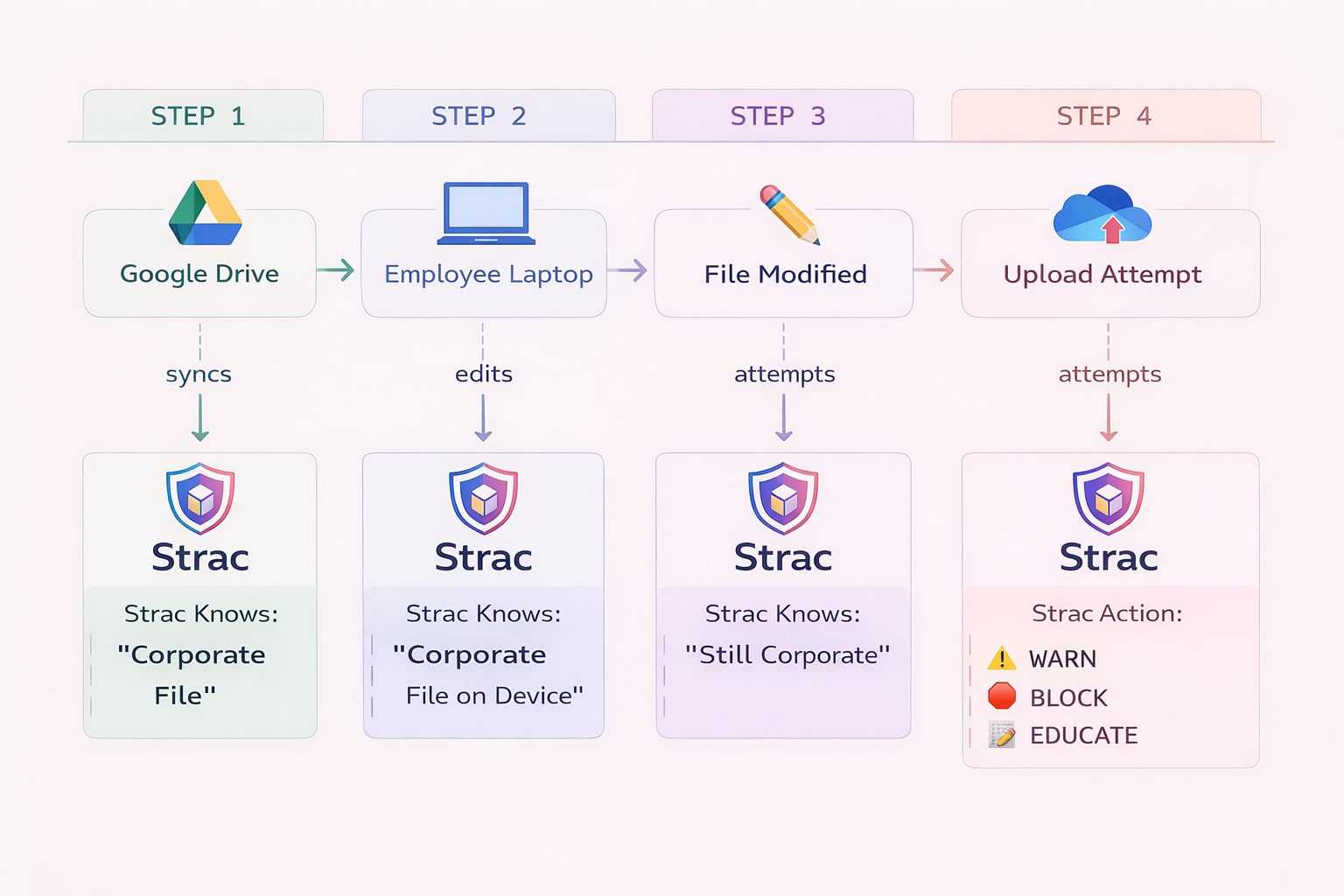
Endpoints and browsers, where employees download files, copy data, upload documents, and paste content into apps
GenAI tools like ChatGPT, Gemini, Claude, and Copilot
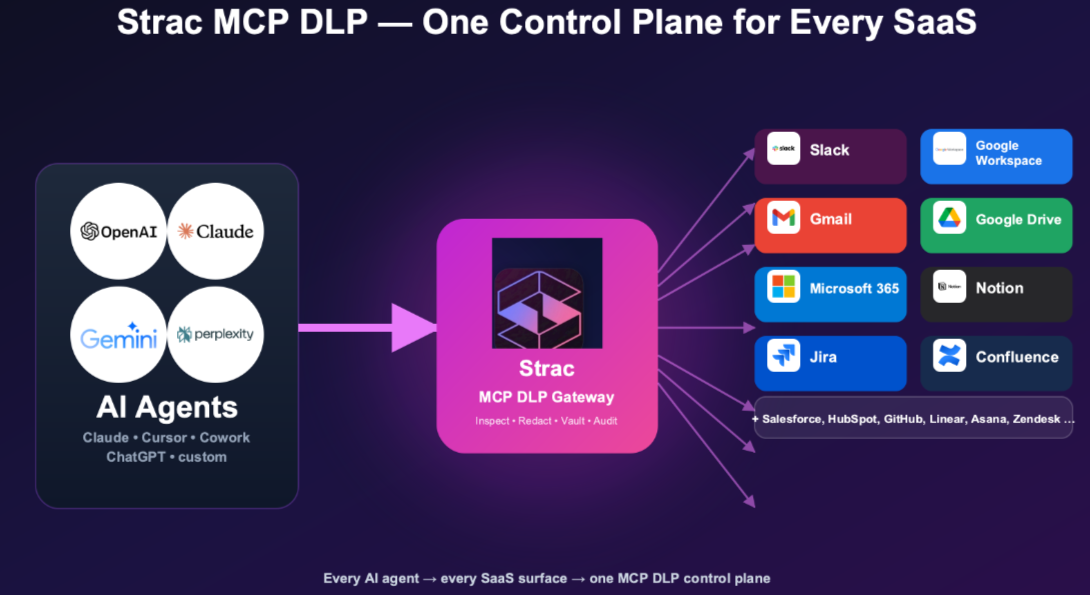
MCP and agentic workflows, where AI tools can access internal systems and move data across them
The problem isn’t just where data is stored. It’s how fast it moves.
That’s why modern data scanning needs to cover more than static files. It needs to help security teams see sensitive data across the systems employees actually use every day.
Data scanning vs DLP
Data scanning and DLP are related, but they do different jobs.
Data scanning helps you find and classify sensitive data. DLP helps you control what happens next.
So if scanning tells you there’s PHI in a Zendesk ticket or PCI data in a Slack message, DLP is the layer that can help redact it, block it, quarantine it, or alert the right team.
The easiest way to think about it is this:
Data scanning = visibility
DLP = protection and remediation
You need both. Discovery without action creates backlog. Action without discovery leaves blind spots.
What modern data scanning should cover
If you’re evaluating a data scanning tool in 2026, it should go well beyond “can it find a card number in a PDF?”
Here’s what matters now.
1) SaaS apps where teams actually work
A lot of sensitive data exposure now happens inside everyday SaaS tools, not just email.
That includes:
Customer support tickets in Zendesk, Intercom, or Salesforce
Slack and Teams messages with customer details, credentials, screenshots, or internal notes
Shared docs and folders in Google Drive, SharePoint, OneDrive, Box, or Dropbox
Jira tickets and Confluence pages containing incident data, customer information, or secrets
If a scanning tool can’t reach these systems, it’s missing a big part of the picture.
2) Cloud storage and backend systems
Sensitive data also piles up in cloud storage, warehouses, and internal systems.
Examples include:
Snowflake tables with customer, health, or payroll data
Cloud buckets full of exports, reports, and backups
SharePoint and OneDrive libraries with contracts, HR docs, and financial files
This is where scanning supports both security and compliance. It helps teams understand what regulated data exists, where it sits, and what needs to be cleaned up.
3) Endpoints and browser activity
A lot of data leakage still starts on the endpoint.
Employees download reports, move files between apps, upload spreadsheets through the browser, sync data to personal accounts, or paste sensitive information into forms and AI tools.
That means modern scanning should help teams understand:
What sensitive files already live on employee devices
What’s being uploaded through the browser
Whether users are copying or moving regulated data into risky destinations
This matters because many real-world leaks don’t begin in a cloud app. They begin on a laptop.
4) GenAI workflows
This is one of the biggest changes in the market.
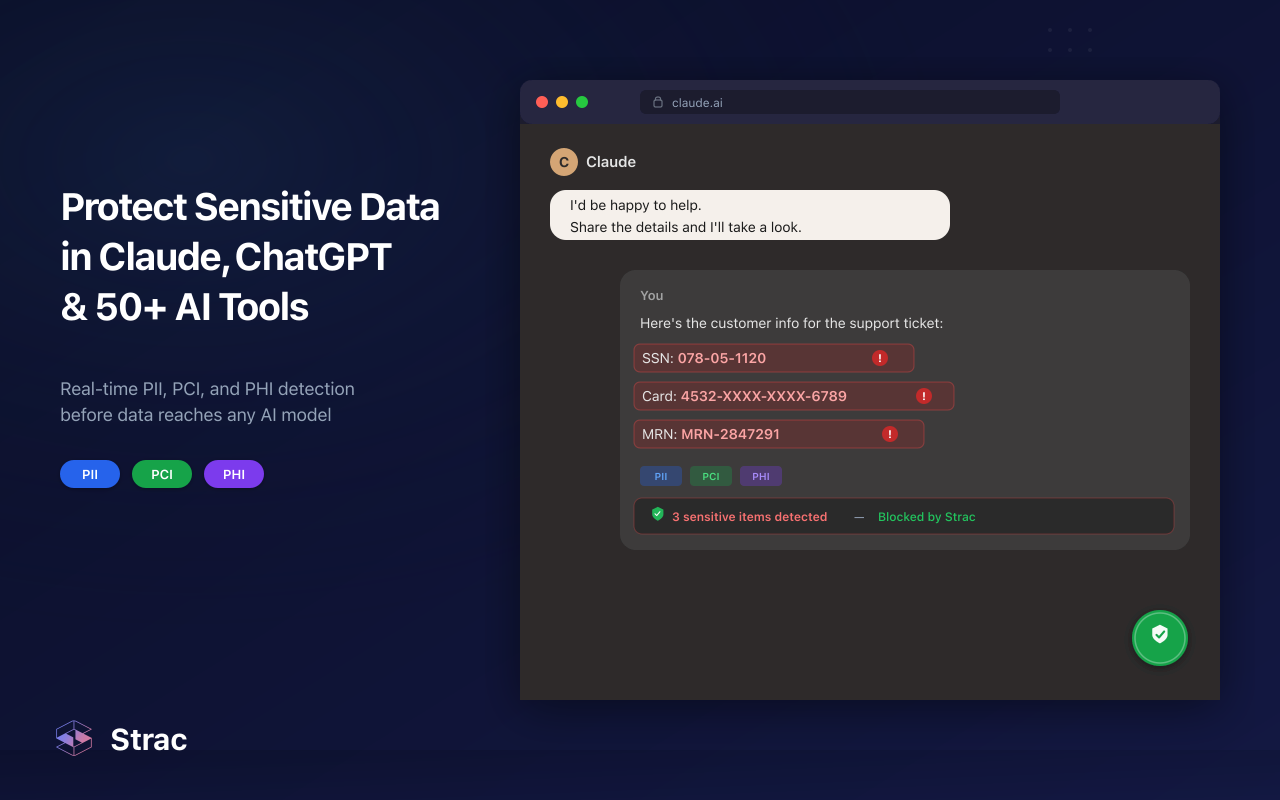
Employees now paste customer records, source code, contracts, internal notes, and support conversations into AI tools every day. Sometimes that’s in a prompt. Sometimes it’s in a file upload. Sometimes it’s through an internal copilot connected to business data.
If your data scanning strategy ignores AI, it’s already behind.
5) MCP and agentic workflows
MCP introduces another layer of risk.
When AI tools can connect to your docs, support systems, SaaS apps, cloud storage, and local environments, they can move sensitive data much faster than a person manually copying it from one app to another.
That’s why data scanning in 2026 has to account for MCP-connected workflows too. It’s not enough to know what data exists. You need visibility into the systems and paths through which that data can now travel.
What good data scanning looks like
A modern data scanning platform should do more than run regex against a few files.
It should support:
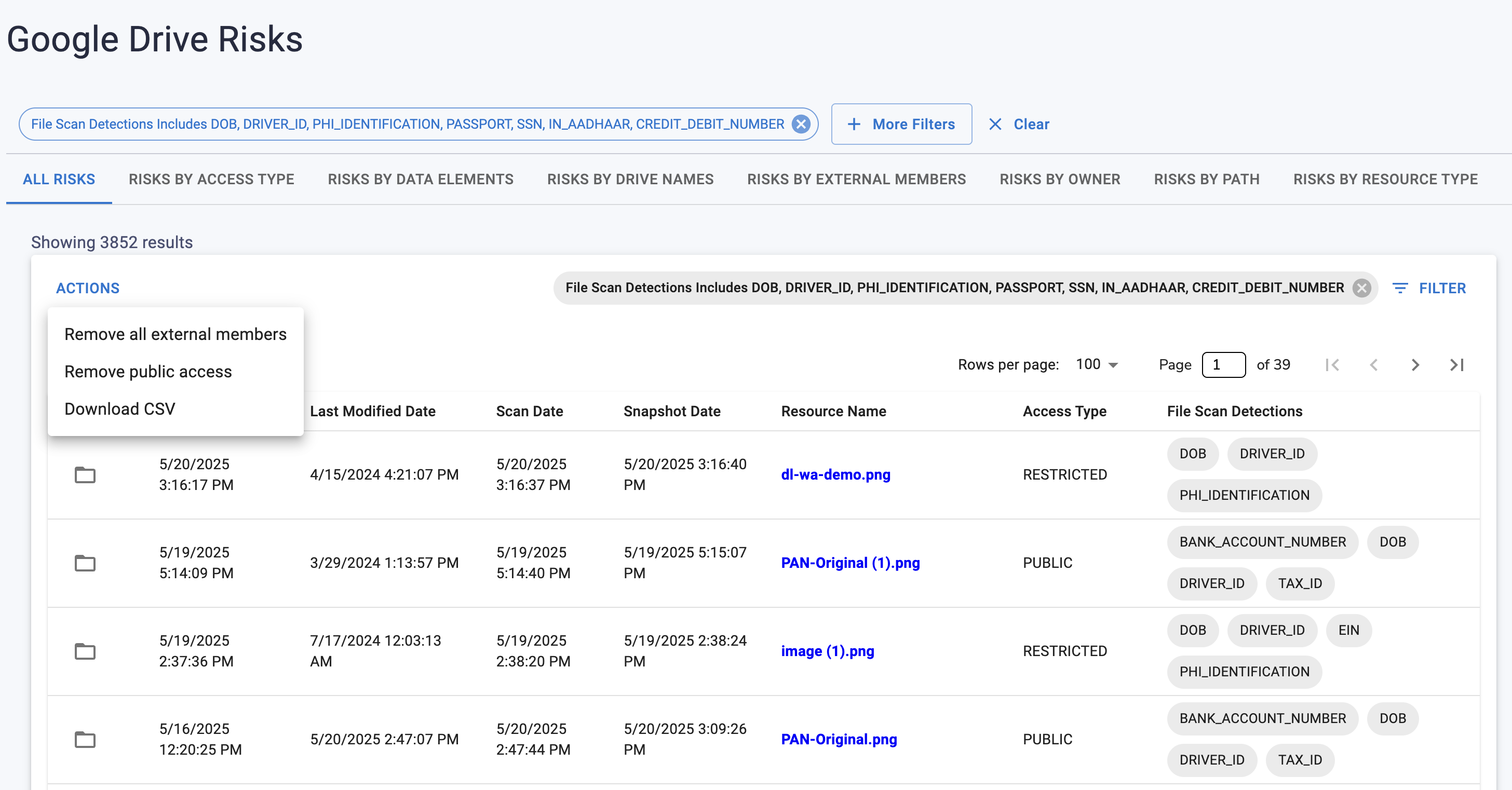
Historical scanning to find older sensitive data already sitting in your environment
Real-time scanning to catch new exposure as it happens
Structured and unstructured data detection across messages, documents, attachments, spreadsheets, tickets, and records
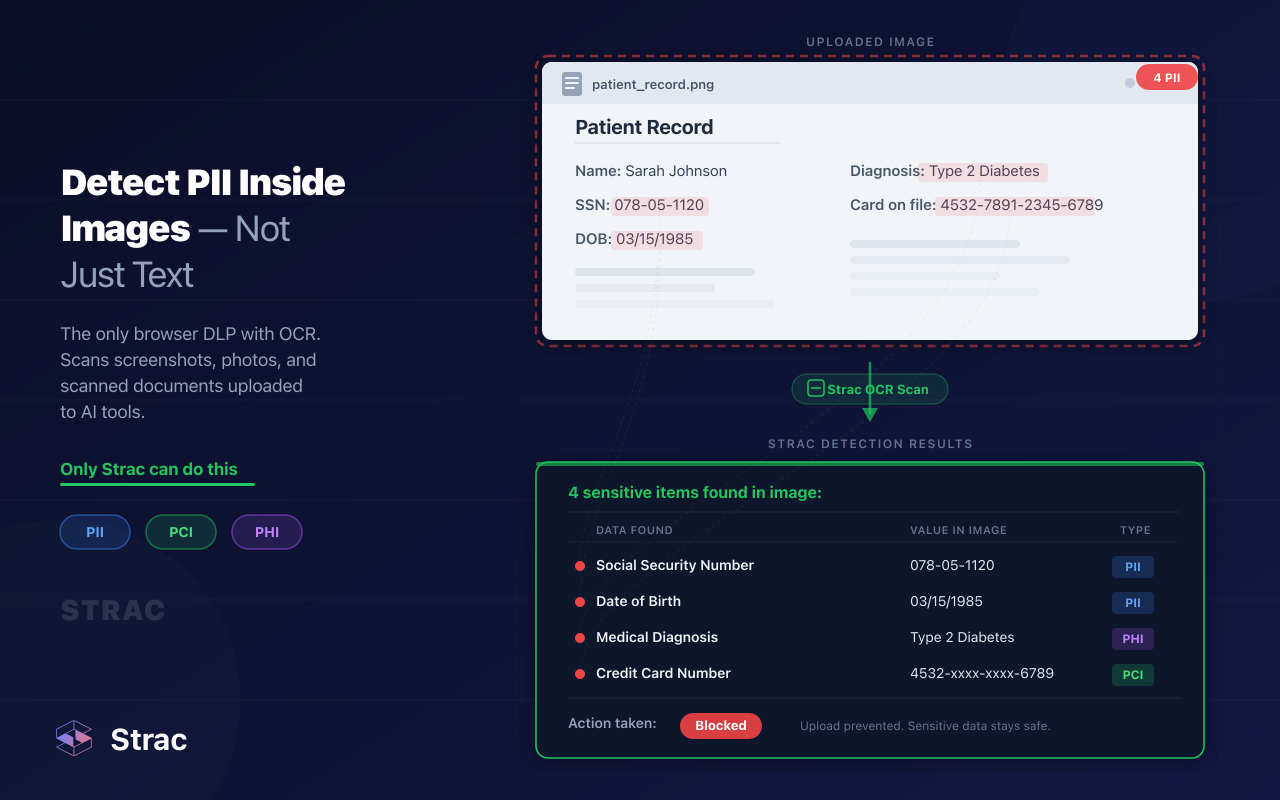
OCR support for screenshots, scanned PDFs, and image-based files
Content-aware detection that goes beyond basic pattern matching
Flexible remediation like redaction, masking, quarantine, deletion, blocking, or alerting
In other words, it should help you find the problem and do something useful about it.
🎥 How Strac approaches data scanning in 2026
Strac is built for the way sensitive data moves today, not the way it moved in legacy email-only environments.
Instead of treating scanning as a one-off discovery project, Strac combines data discovery, scanning, DSPM, and DLP across modern business systems.
Coverage across the environments that matter
Strac is designed to scan and protect sensitive data across SaaS apps, cloud storage, support platforms, endpoints, email, browser-based workflows, and AI tools. That broader coverage matters because most businesses don’t have a single data problem. They have dozens of smaller ones spread across the stack.
Historical scans plus real-time visibility
Strac can help teams uncover legacy data that has been sitting in apps, folders, and tickets for years, while also supporting real-time protection as new data moves through support, collaboration, and AI workflows.
Content-aware detection across messy business data
Sensitive data doesn’t always sit neatly in a database field. It shows up in chats, comments, PDFs, screenshots, attachments, and spreadsheets. Strac’s positioning leans heavily on content-aware scanning, OCR, and broader support for unstructured data, which is a big part of what modern teams actually need.
Remediation, not just alerts
One of the biggest problems with old-school scanning is that it gives you a report and leaves the rest to you. Strac is designed around action too: redaction, masking, blocking, quarantine, deletion, and other remediation options depending on the workflow.
One place for discovery, posture, and protection
Strac’s value is not just that it scans. It’s that it helps connect discovery with posture and response. That makes it easier for security teams to answer practical questions like:
Where is our sensitive data today?
Which apps or systems are highest risk?
What is being overshared, exposed, or pasted into AI?
You can’t protect regulated data if you don’t know where it lives.
That’s why scanning often plays a role in programs tied to:
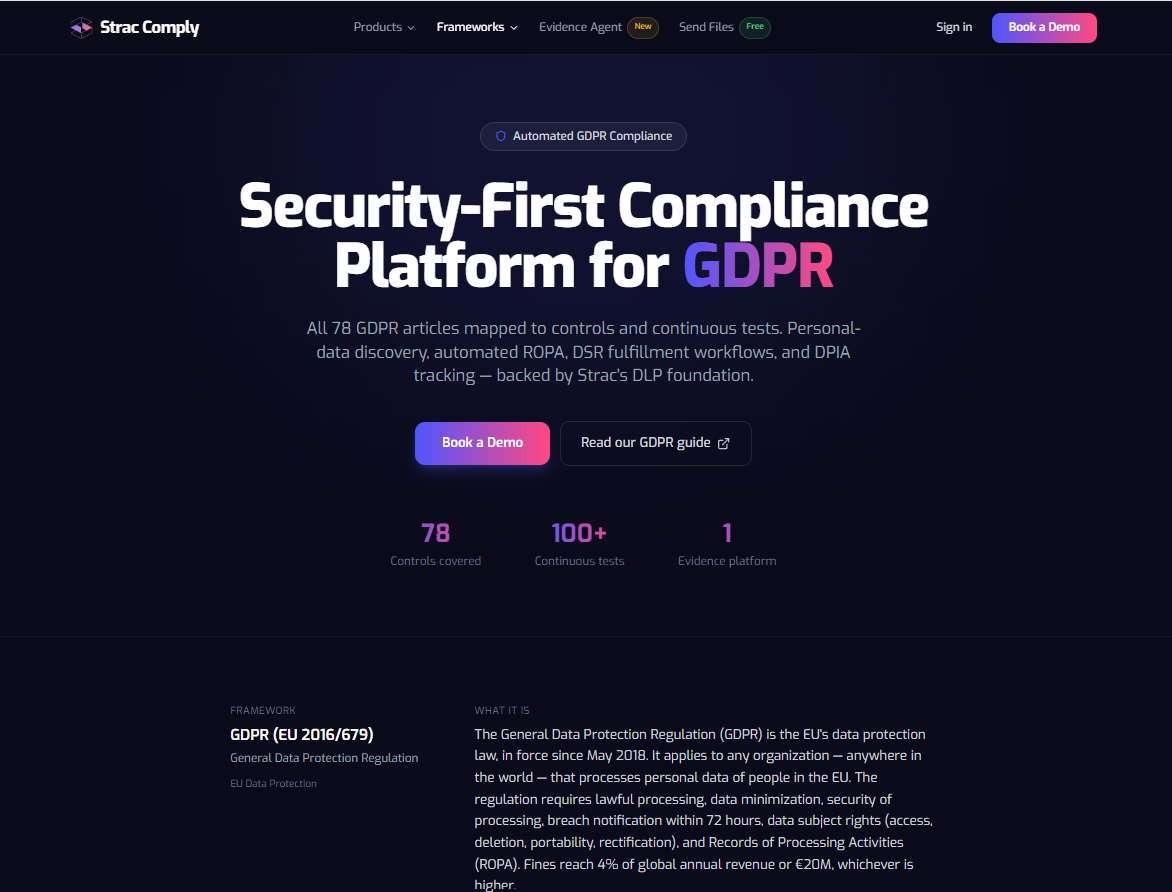
GDPR
HIPAA
PCI DSS 4.0
SOC 2
ISO 27001
CCPA and similar privacy requirements
Scanning alone does not make a company compliant. But it is one of the core ways teams build visibility into where sensitive data exists and where it may be exposed.
Bottom line
Data scanning in 2026 is no longer just about scanning files.
It’s about finding sensitive data across the real environments where work happens now: SaaS apps, cloud storage, endpoints, browsers, AI tools, and MCP-connected workflows. It’s about giving security teams visibility into what data exists, where it is exposed, and how to reduce that risk without relying on ten different point tools.
That’s why modern teams increasingly look for platforms that combine data scanning, data discovery, DSPM, and DLP in one place.
Strac fits that model. It helps organizations discover sensitive data across modern workflows, understand where the risk is, and take action before that data becomes a security incident or compliance problem.
Data scanning is the process of finding sensitive data across your business systems so you know what needs protection. In 2026, that means scanning more than files and email. It includes SaaS apps, cloud storage, support tools, endpoints, browser uploads, AI prompts, and MCP-connected workflows where sensitive data can move quickly across systems.
2. What is the difference between data scanning and DLP?
Data scanning helps you discover and classify sensitive data. DLP helps you control what happens next. For example, scanning can find PCI data in a support ticket or PHI in Slack, while DLP can redact it, block it, quarantine it, or alert the security team. In short, scanning gives you visibility; DLP gives you enforcement.
3. Why isn’t traditional data scanning enough anymore?
Because most sensitive data no longer lives in one file server or inbox. It’s spread across Slack, Google Drive, SharePoint, Salesforce, Zendesk, Snowflake, laptops, and AI tools like ChatGPT or Copilot. Traditional scanners built for static files and regex patterns miss a lot of the real risk in modern SaaS, cloud, endpoint, and AI environments.
4. Can data scanning help prevent AI and MCP data leaks?
Yes — if it’s built for modern workflows. Sensitive data is now regularly pasted into GenAI tools, uploaded through browsers, or exposed through MCP-connected agents that can access internal systems. Modern data scanning should help organizations identify sensitive content in these flows and pair that visibility with DLP controls such as redaction, blocking, or other remediation actions.
5. What should I look for in a data scanning solution in 2026?
Look for a platform that can scan across SaaS, cloud, endpoints, email, browser activity, and AI workflows — not just one environment. It should support structured and unstructured data, OCR for images and PDFs, historical scans for old data, real-time scanning for new exposure, and remediation actions such as redaction, masking, quarantine, or blocking. If it only gives you alerts, it’s only solving half the problem.
Discover & Protect Data on SaaS, AI, MCP, Endpoints & Cloud
Strac provides end-to-end data loss prevention for all SaaS and Cloud apps. Integrate in under 10 minutes and experience the benefits of live DLP scanning, live redaction, and a fortified SaaS environment.


.webp)








.avif)



.gif)
