October 19, 2026

5
min read
What is SaaS Security and What are the best practices?
Learn SaaS security best practices for 2026. Discover how to protect sensitive data across SaaS apps, GenAI tools, and cloud environments with modern SaaS DLP.
SaaS applications are now at the center of how most companies operate. Teams rely on tools like Slack, Google Workspace, Salesforce, and Zendesk every day to collaborate, manage customers, and move data quickly. But as the number of SaaS apps grows, so does the risk of sensitive information being exposed or shared in the wrong place.
The problem is that most traditional security tools were not built for the way data moves across modern SaaS environments. Without clear SaaS security best practices, organizations can quickly lose visibility over where sensitive data lives and how it is being used.
That’s why many companies are adopting modern data protection platforms like Strac, which help discover, classify, and protect sensitive data across SaaS applications, cloud environments, endpoints, and AI tools.
SaaS security is about protecting the data, users, and activity inside the Software-as-a-Service applications your company relies on every day. Tools like Slack, Google Workspace, Salesforce, and Zendesk are now where work actually happens; which means sensitive data is constantly being created, shared, and stored inside these platforms.
Because every SaaS application has its own permissions, settings, and integrations, managing security across them can quickly become complicated. In 2026, SaaS security is less about protecting infrastructure and more about protecting the data itself; knowing where it lives, who can access it, and preventing it from being exposed or leaked across SaaS apps, cloud storage, endpoints, and AI tools.
As companies adopt more SaaS tools, keeping everything secure becomes harder. Data moves quickly between apps, integrations, and users, which makes it easy for sensitive information to end up in the wrong place.
Some of the most common SaaS security challenges today include:
Implementing strong SaaS security best practices becomes much easier when you have the right platform protecting your data. Strac is built specifically for modern SaaS environments, helping security teams discover sensitive data, monitor how it moves across applications, and stop leaks before they spread.
Fast and easy SaaS integration
Strac connects quickly with popular SaaS tools like Slack, Google Workspace, Salesforce, and Zendesk, allowing security teams to start scanning for sensitive data and enforcing protection policies almost immediately.

Accurate detection of sensitive data
Using machine learning and content-aware detection, Strac identifies sensitive information such as PII, PHI, PCI data, and confidential business data across messages, files, attachments, and tickets; helping reduce false positives while improving visibility.
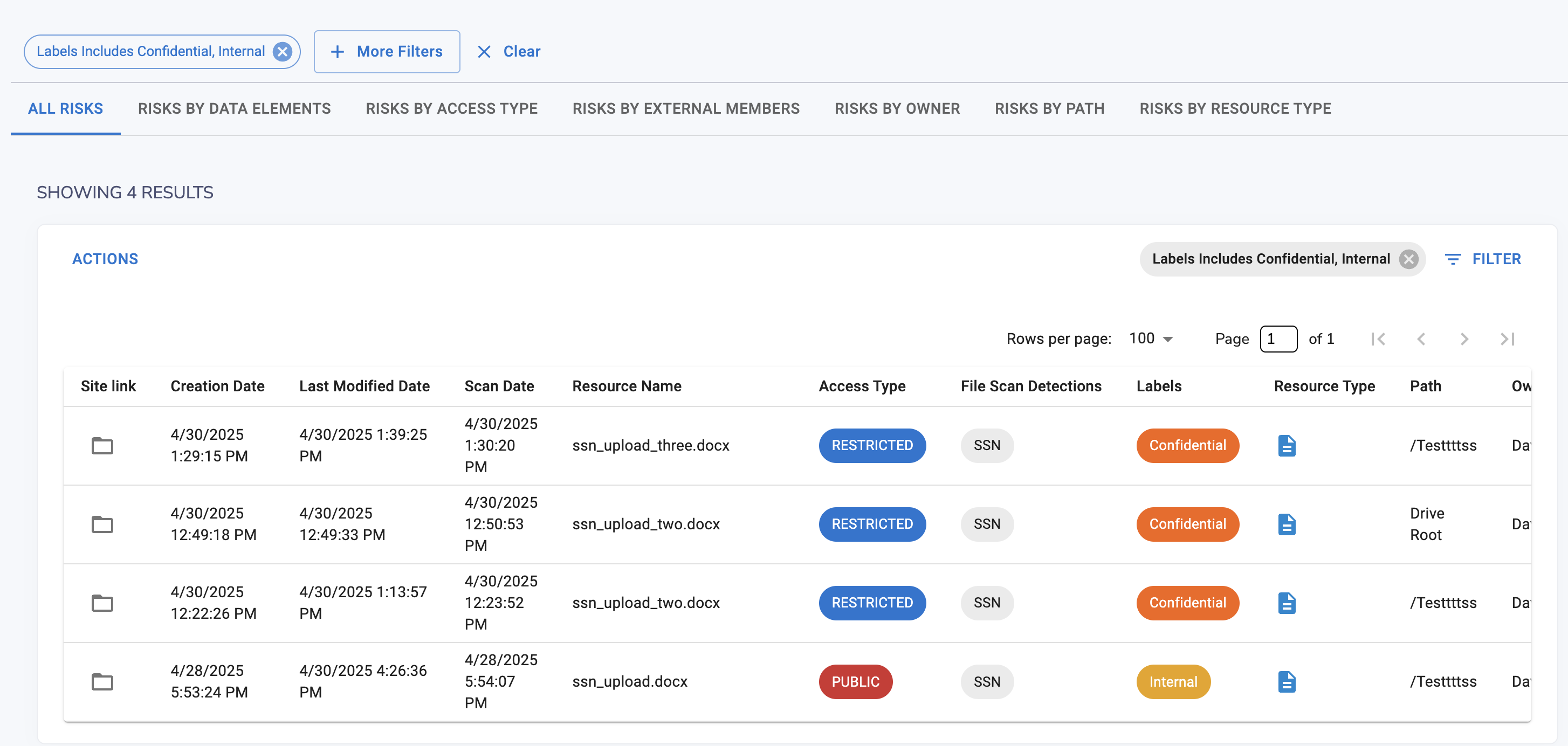
Real-time redaction to stop data leaks
Instead of only alerting security teams, Strac can automatically redact or mask sensitive data inside SaaS apps, preventing confidential information from spreading through chats, documents, or support tickets.

GenAI DLP for AI tools like ChatGPT
As employees increasingly use generative AI tools, sensitive information can easily be pasted into prompts. Strac’s GenAI DLP helps detect and prevent confidential data from being exposed in AI workflows.
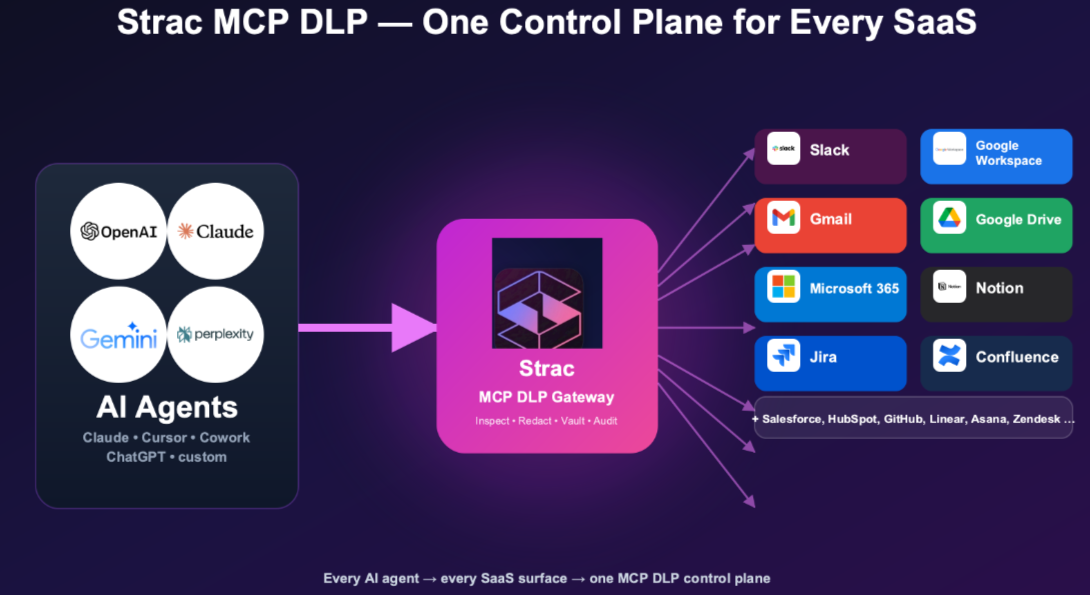
MCP Connector for AI Workflow: As AI agents connect to SaaS apps through MCP, sensitive data can easily flow into AI workflows. Strac’s MCP Connector helps secure platforms like Google Drive, Slack, Salesforce, Notion, and more with real-time DLP, DSPM, and AI data governance; detecting, redacting, blocking, and remediating sensitive data before it reaches the AI layer.
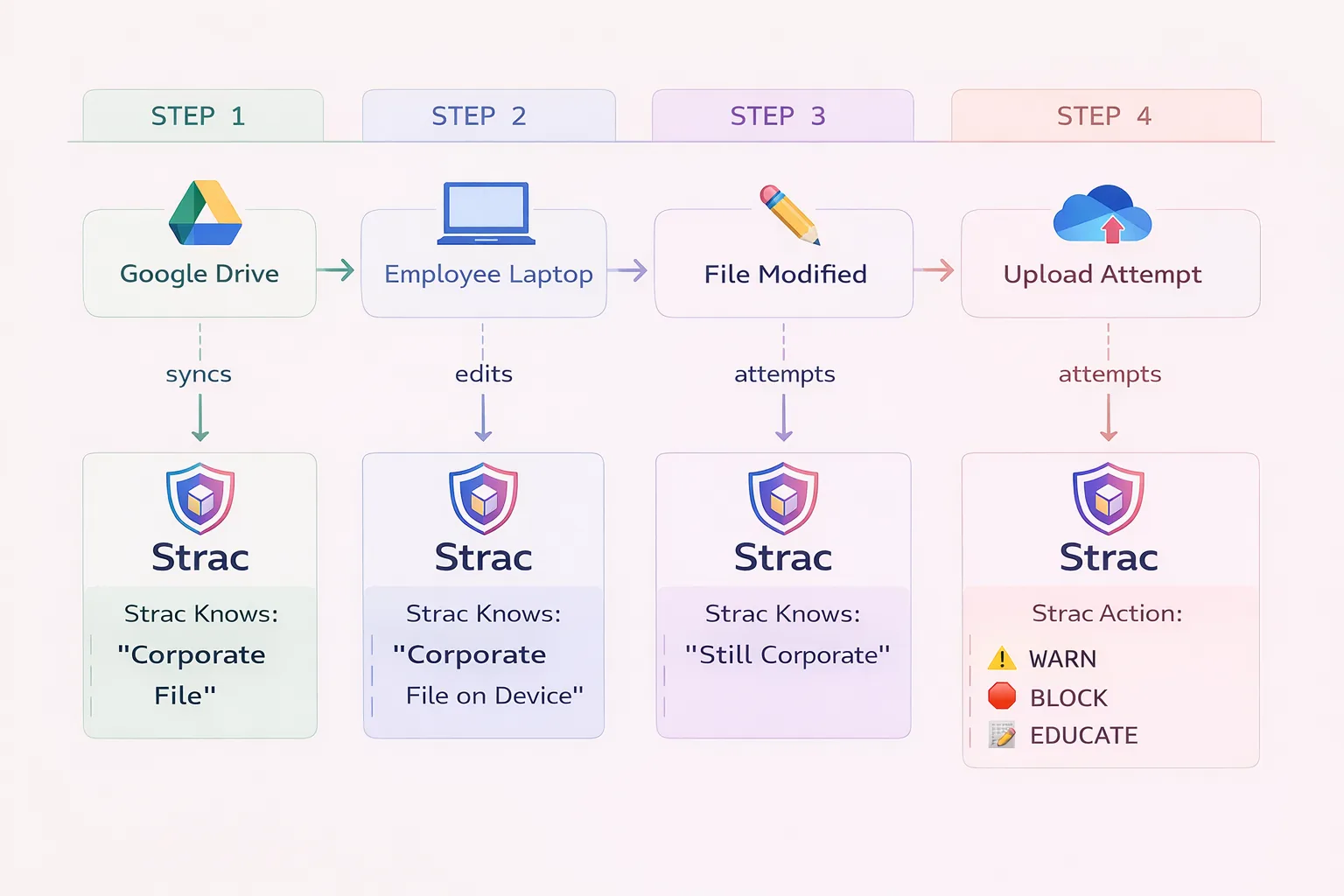
Data lineage to track how data moves
Strac also provides data lineage visibility, allowing security teams to understand where sensitive data originates and how it moves across SaaS apps, cloud environments, endpoints, and AI tools.
API Support: For businesses with a developer-centric approach, Strac offers robust API support. This allows developers to detect or redact sensitive data within their applications seamlessly. Comprehensive documentation and support can be found at Strac's API docs.
Together, these capabilities help organizations implement SaaS security best practices at scale, protecting sensitive data without slowing down the tools teams rely on every day.

Securing SaaS applications today is mostly about protecting the data moving inside them. Sensitive information constantly flows between collaboration tools, support systems, cloud storage, and AI tools. The following SaaS security best practices focus on discovering, monitoring, and protecting that data in real time across the SaaS ecosystem.
The first step in SaaS security is knowing where sensitive data actually lives. Information such as PII, PHI, PCI data, API keys, or internal documents often ends up scattered across tools like Slack, Google Workspace, Salesforce, or Zendesk.
Modern SaaS security platforms like Strac continuously scan SaaS applications to automatically discover and classify sensitive data across messages, files, attachments, and tickets. This visibility is the foundation for enforcing security policies.

Detection alone is not enough. One of the most effective SaaS security best practices is stopping sensitive data exposure the moment it appears.
Strac enables real-time redaction and masking of sensitive information across SaaS tools such as Slack, Google Drive, Zendesk, and email systems. Instead of only sending alerts, the platform automatically removes or hides sensitive content before it can spread further.
Sensitive data rarely stays inside a single application. It moves between collaboration tools, support systems, CRM platforms, and AI tools.
Strong SaaS security best practices require visibility across the entire ecosystem. Strac provides unified protection across SaaS apps, cloud storage, endpoints, and generative AI tools, allowing security teams to enforce consistent data protection policies everywhere data travels.

Another critical SaaS security best practice is continuously monitoring how data is being used inside applications. This helps identify risky activity such as employees sharing sensitive information in chat, uploading files with confidential data, or sending data to external systems.
Platforms like Strac monitor messages, files, and attachments in real time to detect sensitive data exposure and alert security teams before it becomes a breach.
Managing SaaS security manually does not scale when organizations use dozens or hundreds of applications. Automation is essential.
Strac helps automate data protection by discovering sensitive data, enforcing redaction policies, and supporting compliance requirements such as PII, PHI, and PCI protection. This reduces manual effort while helping organizations maintain compliance with frameworks like GDPR, HIPAA, and SOC-2.

SaaS applications have become the backbone of modern companies; but they also create new security risks. Sensitive data now moves constantly across collaboration tools, support platforms, cloud storage, and AI tools. Without strong SaaS security best practices, organizations quickly lose visibility over where sensitive data lives and how it is being shared.
The most effective approach is to focus on protecting the data itself. Platforms like Strac help security teams discover sensitive data, monitor activity, and automatically redact or remediate exposure across SaaS apps, cloud environments, endpoints, and generative AI tools; helping organizations reduce risk while keeping teams productive.
For the tooling layer, compare the leading SSPM solutions.
Related reading:
The biggest risk is losing visibility over sensitive data. Most organizations use dozens of SaaS tools; which means data is constantly copied, shared, and uploaded across different apps. Without monitoring and data protection controls, sensitive information can easily spread beyond the organization.
Most legacy security tools were designed to protect networks and on-prem infrastructure. SaaS environments work differently; data lives inside applications and moves through chats, tickets, documents, and APIs. This requires modern SaaS security approaches that monitor and protect data inside the apps themselves.
Organizations should implement continuous data discovery, access controls, and real-time monitoring across their SaaS environment. Modern SaaS DLP platforms like Strac can automatically detect and redact sensitive information across collaboration tools, cloud storage, and support systems before it spreads further.
AI tools like ChatGPT, Copilot, and Gemini are now commonly used in workplaces. This introduces a new risk; employees may paste sensitive information into AI prompts. SaaS security strategies increasingly include controls that monitor and protect data moving into AI workflows.
Regulations like GDPR, HIPAA, and PCI DSS require organizations to know where sensitive data is stored and who can access it. SaaS security best practices help maintain visibility and enforce data protection policies across SaaS apps; reducing the risk of compliance violations.
.avif)


.gif)


.webp)