October 22, 2026

4
min read
Is DLP Required for ISO 27001? Annex A 8.12 Data Leakage Prevention (2026)
Explore the latest updates in ISO 27001:2022 and their implications for your Data Leakage Prevention (DLP) approach.
The 2022 update fundamentally changed how organizations need to think about data security. Data no longer lives in controlled environments; it moves across SaaS apps, cloud storage, endpoints, and now GenAI tools.

That shift breaks traditional security models.
And that’s exactly why DLP is no longer optional; it’s operationally required.
ISO 27001 has always been about protecting information. But the 2022 update introduced a major shift:
➡️ Security is no longer about infrastructure
➡️ It’s about data itself; wherever it lives and moves
This is reflected in Annex A 8.12; Data Leakage Prevention
This control requires organizations to:
Here’s the reality most teams miss:
ISO is not asking “Do you have a DLP tool?”
It’s asking “Can you actually prevent data from leaking across your entire environment?”
And without DLP; the answer is no.
Most organizations still rely on:
That worked when data lived inside networks.
It fails today.
A support agent copies a customer’s credit card number into Slack.
A developer pastes API keys into ChatGPT.
A marketing team exports customer data to a personal Google Drive.
None of these are stopped by traditional controls.
ISO 27001 expects you to:
That’s exactly what DLP is designed to do.
ISO does not define “DLP software.”
But it clearly defines capabilities you must have.

You must be able to identify:
Static rules are not enough.
Modern environments require:
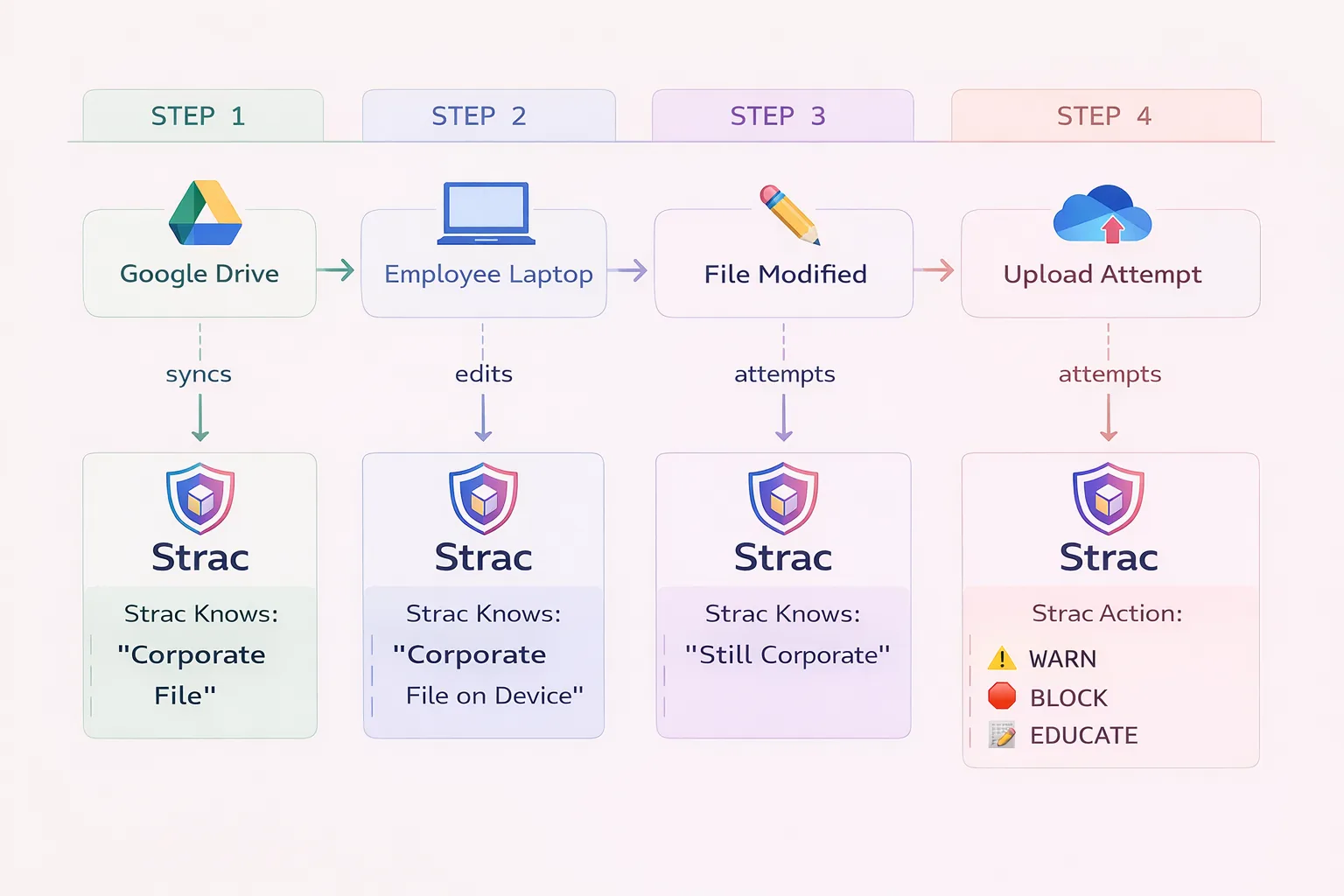
ISO requires visibility across:
Strac GenAI DLP
This is where most tools fail.
They monitor one layer.
ISO expects all layers.
Detection alone is not enough.
ISO expects you to act.
Strac Intercom DLP
That includes:
👉 If your system only sends alerts; you will fail in practice.
You must be able to show:
This is critical for audits.
Google Drive Advance Access DLP
Without evidence; compliance does not exist.
DLP directly supports multiple ISO 27001:2022 controls:
This is why DLP is not just “nice to have.”
It’s the execution layer of ISO controls.
Most teams underestimate this.
Here’s what real implementation looks like:
Manual approaches take weeks to detect issues.
Automated DLP reduces response time to minutes or seconds.
That’s the difference between:
This is where most companies get stuck.
Common issues:
ISO requires real-world effectiveness.
Not just tooling.
Most DLP tools were built for the past.
Strac is built for how data moves today.
Strac doesn’t just detect data.
It:
Strac Slack DLP

For businesses aiming to align with ISO 27001:2022 and enhance their cybersecurity posture, Strac DLP offers a comprehensive, automated solution. To explore how Strac can assist in safeguarding your sensitive data and achieving compliance, businesses are encouraged to schedule a free Risk Audit with a SaaS Security Specialist. This audit will identify where sensitive data resides and how Strac can help in its protection.

ISO 27001 does not explicitly mandate a “DLP tool.”
But it absolutely requires:
And there is only one practical way to achieve that: and that is with DLP.
In today’s environment; with SaaS, cloud, and GenAI everywhere: DLP is no longer optional. It is the foundation of ISO 27001 compliance.
Yes — the 2022 revision of ISO 27001 added Annex A 8.12, “Data Leakage Prevention”, as an explicit control, alongside data masking (8.11), information deletion (8.10), and PII protection (5.34). DLP is no longer optional for ISO 27001; here is how the relevant Annex A controls map:
Control / RequirementWhat it requiresHow DLP satisfies itA.8.12 Data Leakage PreventionApply DLP measures to systems handling sensitive informationStrac detects and blocks/redacts sensitive data across SaaS, browser, endpoint, and MCPA.8.11 Data MaskingMask sensitive data per access needsStrac masks and tokenizes PII/PHI/PCI on the flyA.8.10 Information DeletionDelete data no longer requiredStrac can delete or redact sensitive data at the sourceA.5.34 Privacy & PII ProtectionProtect PII per applicable lawDiscover and remediate PII across every surfaceA.8.15 / A.8.16 Logging & MonitoringLog events and monitor for anomaliesPer-event audit log + data lineage for every detection and remediation
ISO 27001 controls apply wherever regulated data moves. Strac enforces them on all of them from one policy — with remediation, not just alerts.
Strac detects and remediates sensitive data in real time for ISO 27001 compliance.
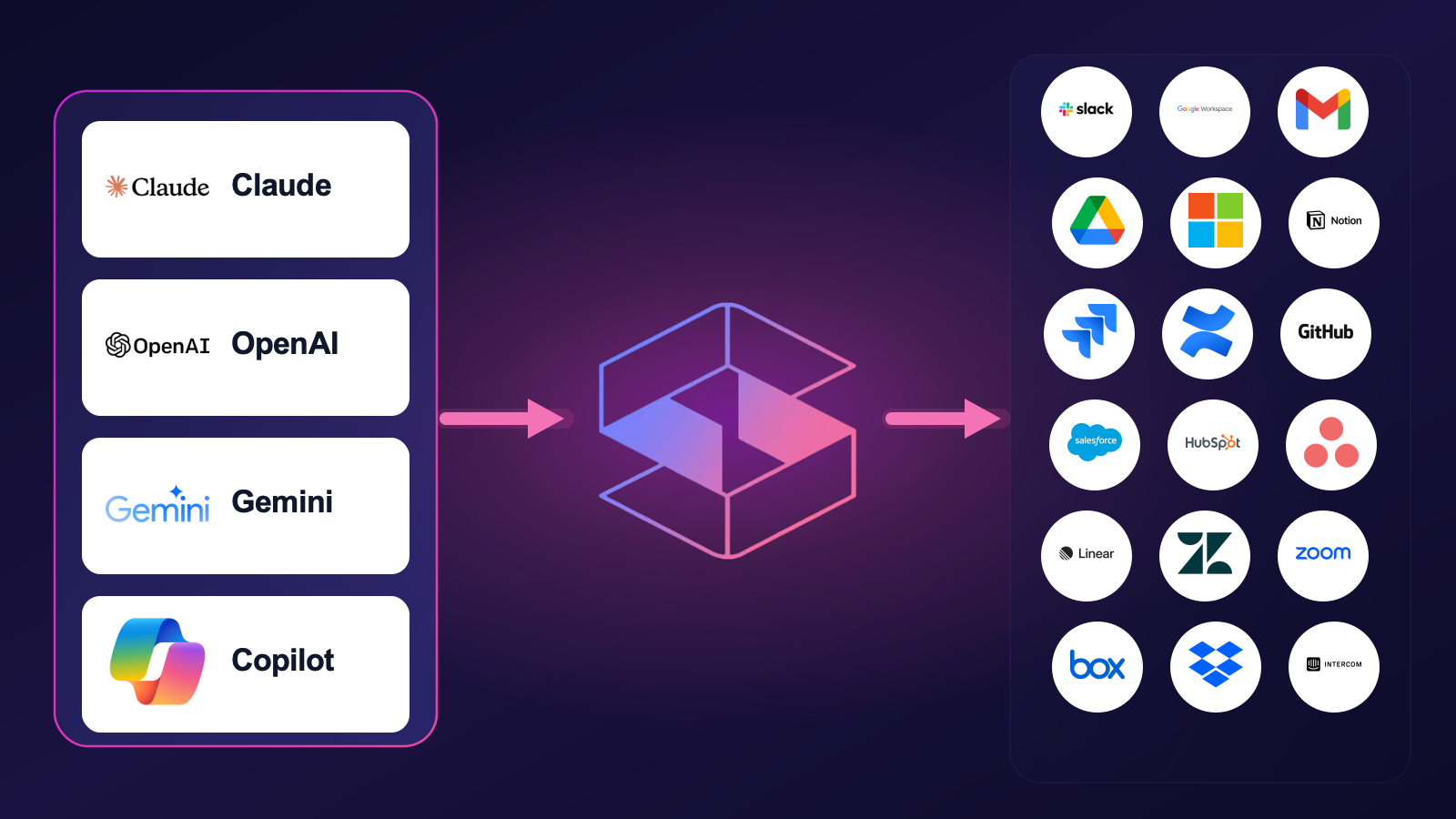
Strac detects PII, PHI, PCI, and secrets across Slack, Gmail, Google Drive, Salesforce, and 50+ apps and remediates — redact, mask, block, delete, or revoke over-shared access — so ISO 27001 data is protected, not just flagged. See DSPM for data at rest.

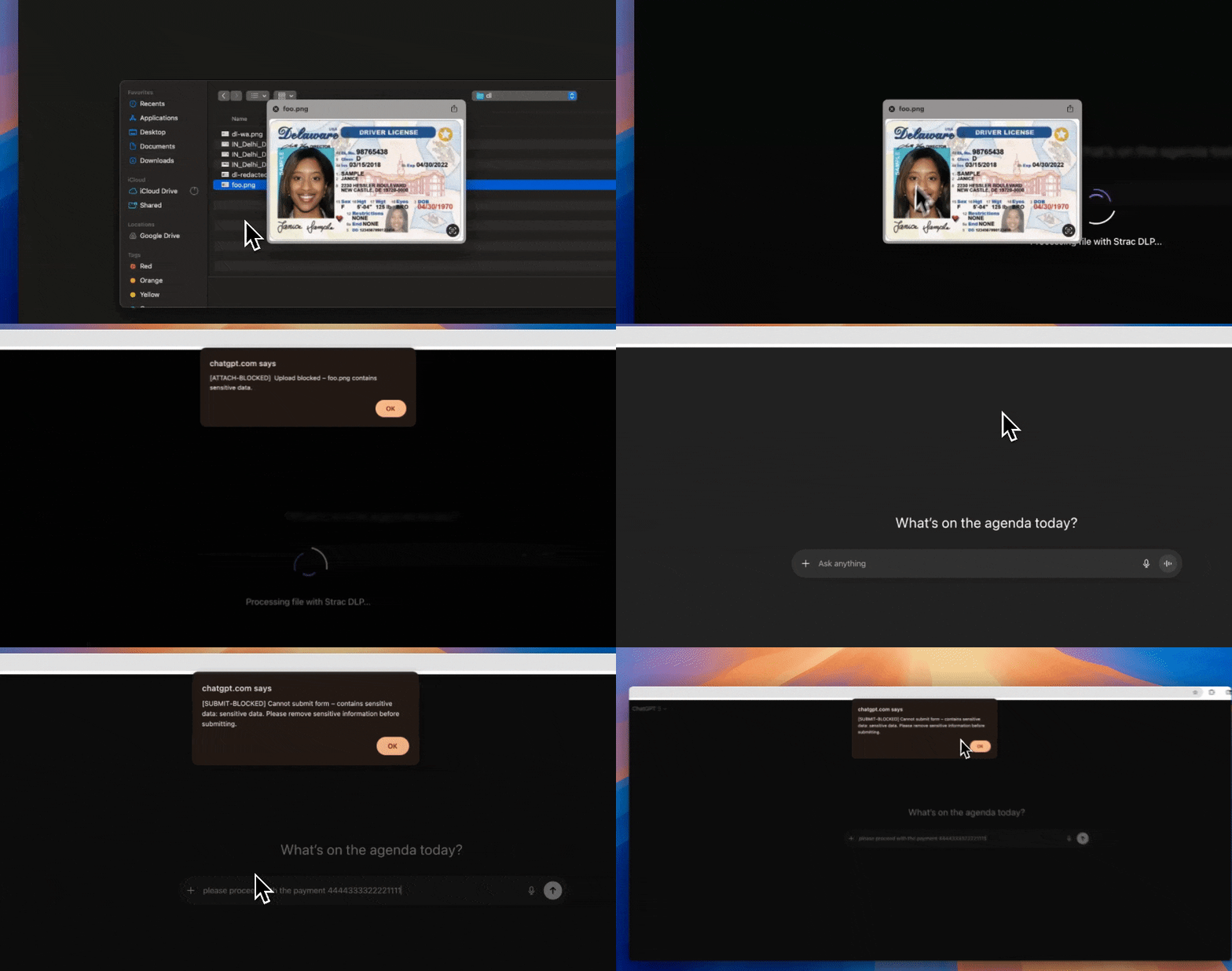
Employees paste regulated data into ChatGPT, Claude, Gemini, and Copilot. Strac’s browser layer detects and redacts it in real time before it is sent — closing the AI data-in-use gap ISO 27001 auditors increasingly ask about. See GenAI DLP.
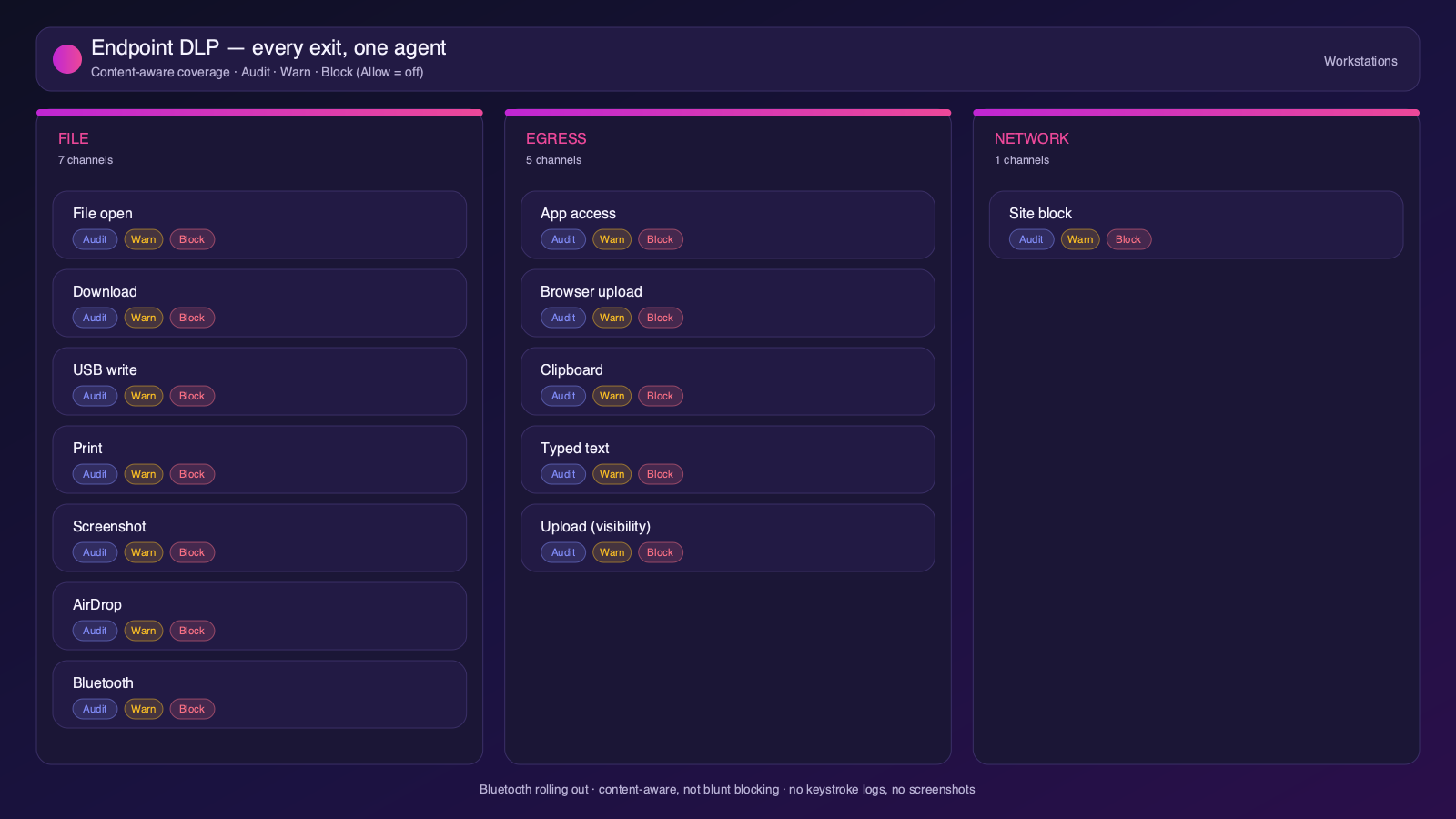
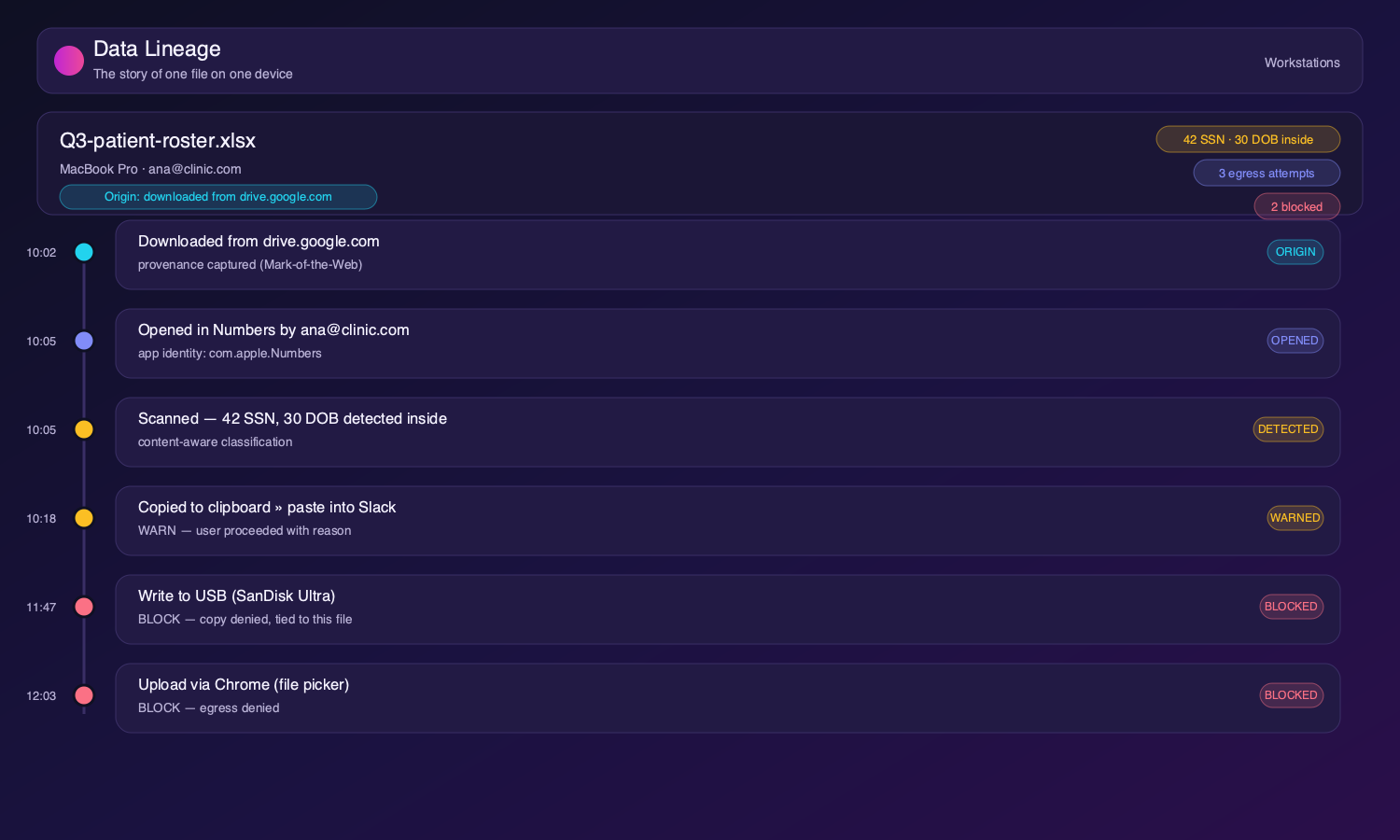
Strac’s Mac and Windows agent enforces content-aware policy on USB, print, AirDrop, screenshot, and clipboard, and builds per-file Data Lineage — the audit evidence ISO 27001 requires. See endpoint DLP.
As AI agents pull data over the Model Context Protocol, ISO 27001 access and flow controls apply to the agent. Strac’s MCP DLP inspects every MCP tool call and redacts sensitive data before the model sees it.
No; but Annex A 8.12 requires data leakage prevention capabilities; which are implemented through DLP.
Technically yes; practically no. Without DLP; you cannot monitor or prevent data leaks effectively.
PII, PHI, PCI, credentials, intellectual property, and any sensitive business data defined in your risk assessment.
Yes. ISO 27001:2022 expects coverage across modern environments; including SaaS and AI tools.
Relying on detection-only tools that generate alerts but don’t remediate risk.
Legacy tools can take months. Modern, agentless platforms like Strac can deploy in minutes.
It provides logs, evidence, and proof of control enforcement; which auditors require.
.avif)


.gif)


.webp)
.webp)